Coffee Science: Why Starbucks baristas smell coffee before they taste it
Coffee master Lincoln Bechard explains how aroma shapes flavor and why smell is the first step to understanding what’s in your cup.
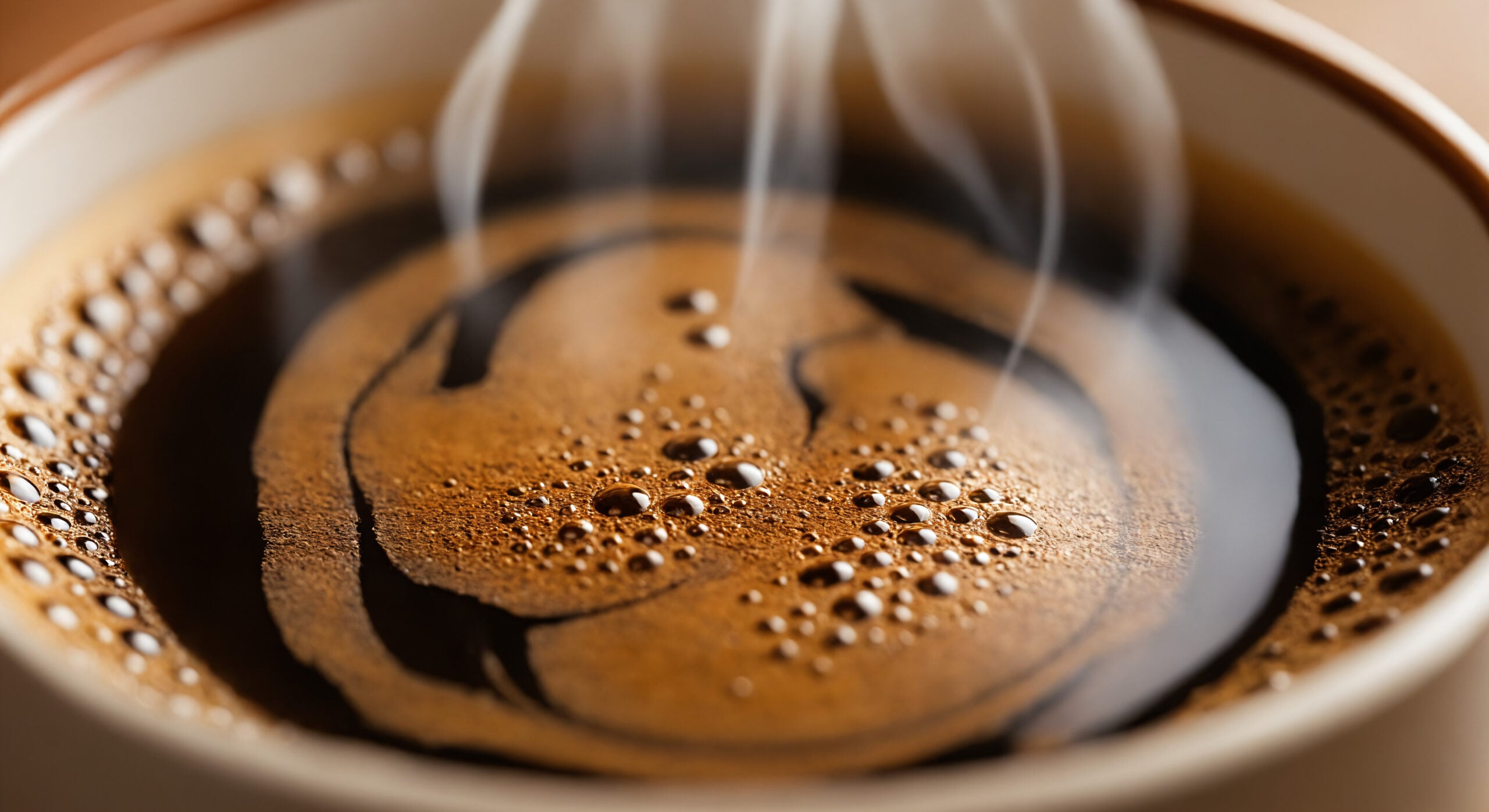
At Starbucks, smelling coffee is part of how partners (employees) learn to evaluate it. Customers do it naturally too, often without realizing why. The habit sparks one of the most common questions Starbucks partners hear:
Why do baristas smell coffee before they taste it?
Short answer: It’s because what you smell is what you taste.
In this Coffee Science story, Starbucks coffee master and educator Lincoln Bechard explains why aroma matters so much, how smell and taste work together and why taking a moment to smell your coffee enhances the way it tastes.
Taste plus smell equals flavor
Most people think flavor lives on the tongue. In reality, the tongue plays a much smaller role than most expect, he said.
“Technically, our tongues only taste 5 things,” Bechard said. “Sweet, salty, sour, bitter and umami.” (Wait, what does umami taste like? It’s the rich savory flavors, Bechard explained.)
“You put that together with smell and that’s how you experience flavor,” he said.
That connection explains why coffee can taste muted if you can’t smell it and why aroma shapes the first impression before a sip ever hits your tongue. In fact, 80 percent of what you taste is what you smell, according to scientific research.
Aroma is the foundation of coffee flavor
Coffee’s aroma is made up of many layers rather than a single smell.
Every smell you encounter becomes a reference for describing that what’s in your cup. Chocolates, mushrooms, oranges, cedarwood – everything is fair game. The best way to grow your sensory skills is to simply experience sugars and flavor compounds. These aromas connect to experiences people already recognize, which makes coffee feel familiar and personal.
“Flavor is very personal and subjective,” Bechard says. “Maybe it brings up memories or something special.”
Where coffee aromas come from
Coffee aromas come from a journey that starts long before brewing.
Some aromas reflect where and how the coffee was grown. Florals, herbs and citrus often relate to climate, elevation and how the coffee is processed into unroasted green coffee beans.
Other aromas develop during roasting. Notes like chocolate, caramel, spice and smoke emerge as heat transforms the bean’s natural compounds.
At Starbucks, roasting is intentionally tailored to each coffee. Developers and master roasters work together to create a specific roast profile designed to balance aroma, acidity, body and flavor. The goal is not just consistency, but unlocking what makes each coffee unique.
How brewing methods change how coffee
Different brewing methods also affects how aroma is released.
Hot brewed coffee allows a cleaner, more delicate aroma to rise quickly. Espresso concentrates aroma into a small volume, creating intensity. Cold brew extracts aromatics more slowly, often resulting in a smoother, less sharp impression. Key factors are the amount of time that coffee is in contact with water, the temperature and pressure.
The coffee may be the same, but how you brew it changes how your senses experience it.
Try this the next time you drink coffee
Bechard encourages customers to pause before taking the first sip.
“So next time you’re comparing roasts or trying a new coffee, take a minute,” he says. “Give it a smell.”
That moment helps your brain prepare for flavor and gives you a better sense of what’s in the cup.
How aroma works in bottled Starbucks drinks
Because of the way bottled Starbucks Frappuccino chilled coffee drinks and Starbucks Doubleshot Energy beverages are crafted, blended and sealed, they present aroma differently than freshly made coffee. Frappuccino drinks highlight dessert-style aromas like chocolate and vanilla, while Starbucks Doubleshot Energy beverages emphasize bold coffee notes designed to signal intensity.
Flavor and caffeine can vary by product and recipe, so checking the label helps set expectations.
The takeaway: Smell is the foundation of flavor
Everything you smell in the cup is the outcome of the journey that coffee took. From the time a coffee tree is planted to the moment you pour a cup of freshly brewed coffee, chemistry is at work. Nothing happens by accident; Starbucks coffees smell amazing by design.