Coffee Science: Which Starbucks drink has the most caffeine
Coffee expert Lincoln Bechard explains what actually determines caffeine levels and answers some of the questions Starbucks partners hear most.

If you’ve ever wondered which Starbucks drink has the most caffeine, you’re not alone. It’s one of the most common questions we hear — and the answer isn’t as simple as espresso versus brewed coffee.
In the Coffee Science series, Starbucks partner (employee) and coffee master Lincoln Bechard breaks down what really determines caffeine levels and why the strongest-tasting drink isn’t always the most caffeinated, and answers other frequent questions.
Which Starbucks drink has the most caffeine? Short answer: It depends
Caffeine isn’t a flavor you can taste. It’s the result of how coffee or tea is prepared, the ratio of coffee to water and the overall recipe of your beverage.
That’s why the drink that tastes strongest doesn’t always deliver the biggest caffeine boost.
Espresso vs. brewed coffee: Per ounce vs. per cup
One of the biggest misconceptions about caffeine is espresso.
Espresso has more caffeine per ounce because it’s highly concentrated. Espresso is brewed quickly under pressure using a much higher ratio of coffee to water — roughly 1:2 to 1:3. That’s why it has a bold, intense flavor.
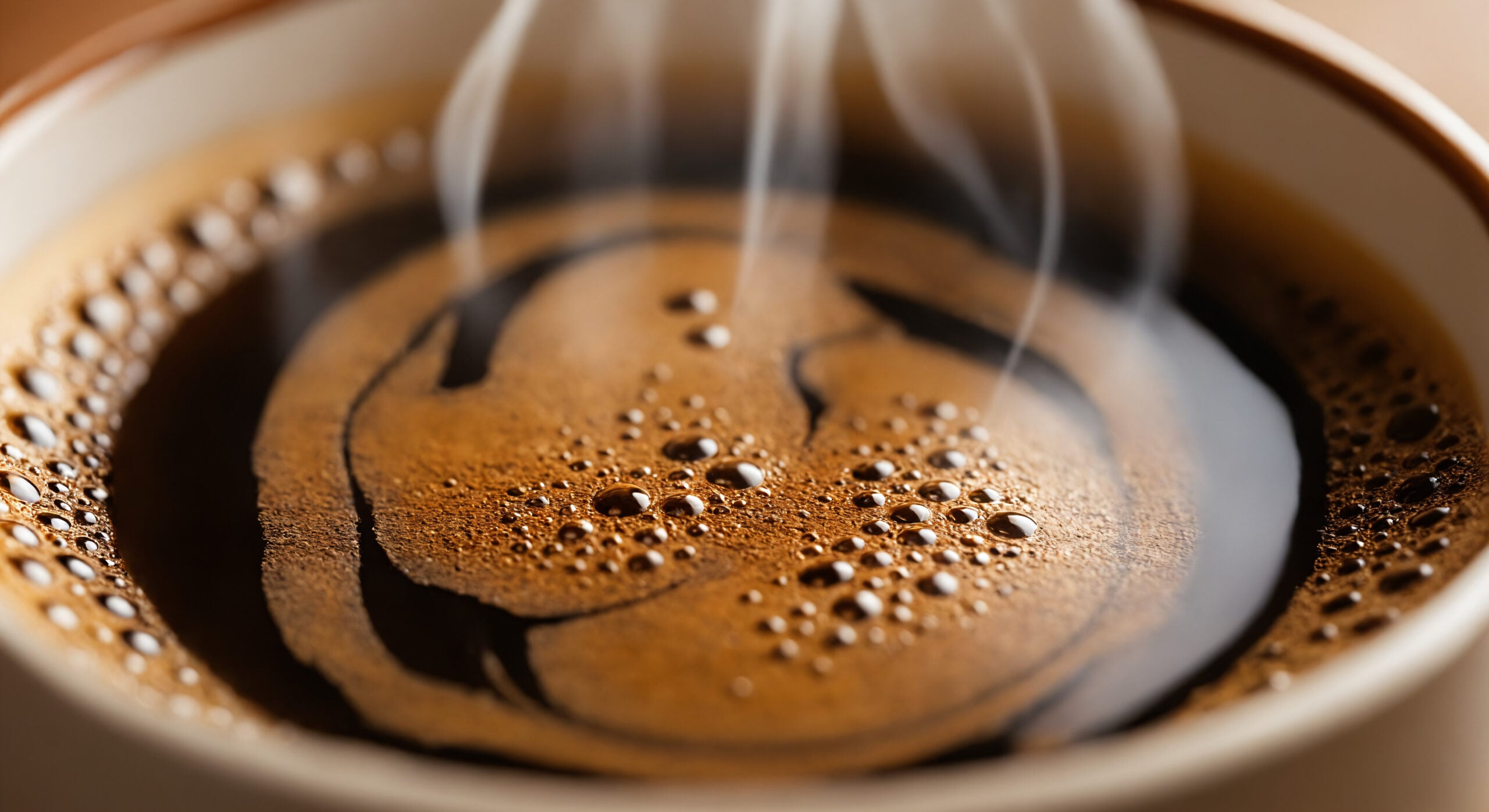
But when you look at caffeine per cup, brewed coffee typically has more.
A tall brewed coffee is 12 ounces and it’s brewed using a ratio closer to 1:15 to 1:18. That larger volume means a tall brewed coffee usually contains more total caffeine than a tall Americano, which typically includes one shot of espresso topped with water.
In simple terms:
- Espresso is strongest per ounce
- Brewed coffee is strongest per cup
Brewed coffee vs. cold brew: Why does cold brew taste stronger?
Cold brew often has more caffeine, and the reason comes down to time.
Cold brew is made by steeping coffee grounds in cool water for 12 to 20 hours. Because caffeine is water soluble, that long contact time allows more caffeine to dissolve into the final brew.
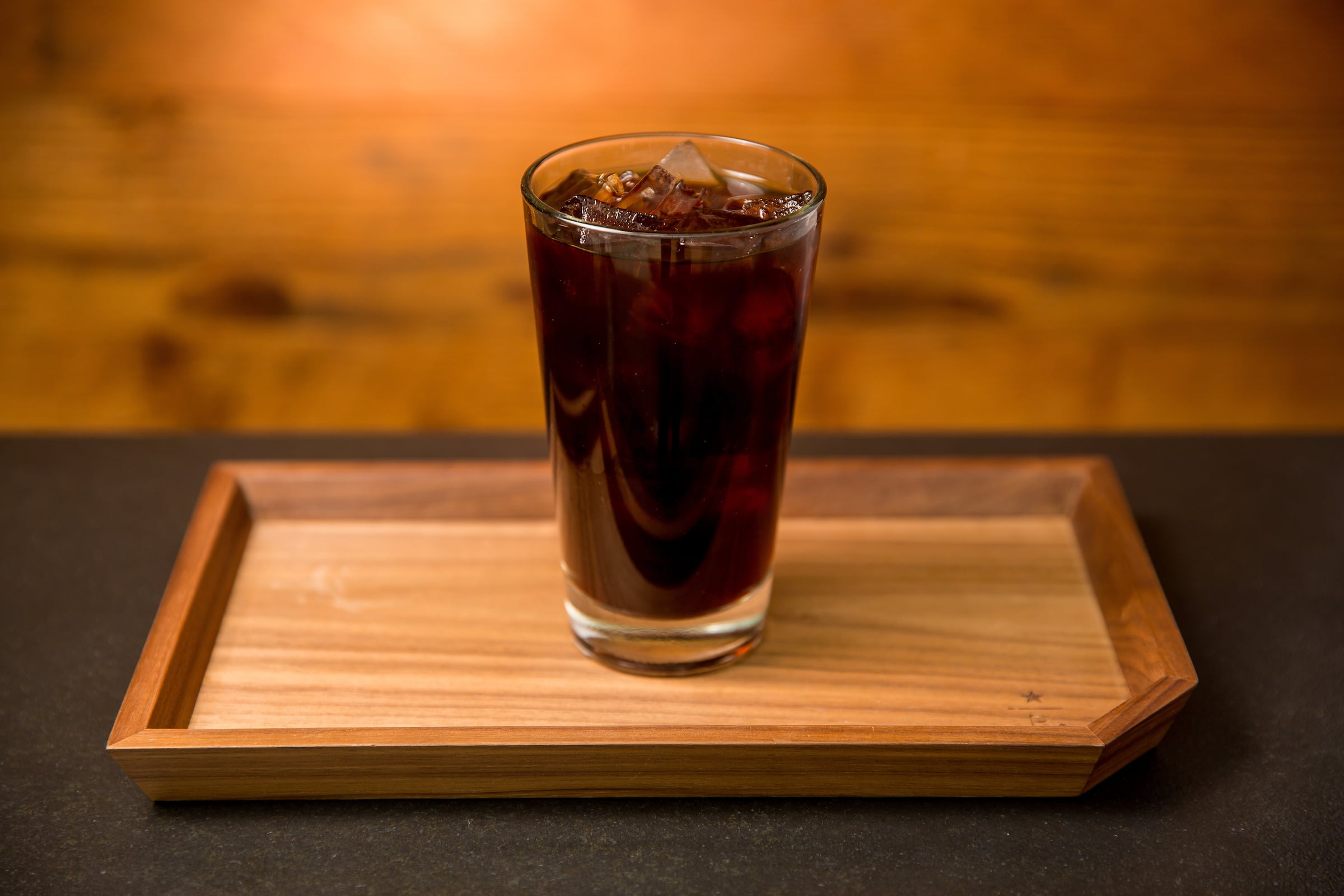
Cold brew is typically brewed as a concentrate, then diluted with water before serving. Even after dilution, a tall cold brew can contain nearly as much caffeine as a double espresso, while tasting smoother and less acidic.
What about Americanos?
An Americano’s caffeine content depends entirely on how many shots of espresso it includes.
- Brewed coffee usually has more caffeine than an Americano with one shot
- Add extra shots and the caffeine climbs accordingly
The key factor isn’t the drink name. It’s the recipe.
Matcha and refreshers: A different kind of energy
How do matcha drinks and Starbucks Refreshers compare in terms of caffeine?
Cup to cup, matcha and refreshers have significantly less caffeine than brewed coffee or cold brew. A tall Matcha Tea Latte typically contains about 40 to 45 milligrams of caffeine, depending on how much matcha is added.

Matcha is unique because it’s made with ground green tea leaves. That means caffeine releases more gradually and is paired with L-theanine, an amino acid often associated with a steady, calm alertness rather than a quick spike.
Bottled Starbucks drinks: Caffeine questions from the grocery aisle
How much caffeine is in a bottled Starbucks Frappuccino?
Caffeine content varies by flavor, but bottled Starbucks Frappuccino chilled coffee drinks typically contain less caffeine than a cup of brewed coffee. Mocha flavors generally contain more caffeine than vanilla or caramel.
How much caffeine is in Starbucks Doubleshot Energy?
Starbucks Doubleshot Energy and Espresso & Cream cans are more concentrated. A single can often contains more caffeine than a standard bottled Frappuccino and is designed for a bigger energy boost on the go.
Always check the label, since caffeine amounts can vary by flavor and recipe.
What drinks at Starbucks have no caffeine?
For customers looking to avoid caffeine, Starbucks offers several options including:
- Decaf brewed coffee and espresso drinks offer significantly less caffeine (at least 97% or more)
- Herbal teas
- Steamers and creme-based beverages
The takeaway
Whether you prefer a bold espresso, a smooth cold brew or a matcha latte, caffeine is influenced by how a drink is prepared, not how intense it tastes.
Quick reference: Caffeine at a glance (tall, 12 ounces)
- Espresso: 1 shot, brewed at a 1:2 to 1:3 ratio, about 75 mg
- Brewed coffee: brewed at a 1:15 to 1:18 ratio, about 260 mg
- Matcha Tea Latte: about 3 grams of matcha, about 45 mg