Back to Starbucks: Two years of progress, coffee, connection and community
This includes restoring a warm and welcoming coffeehouse atmosphere, delivering great customer service, creating countless moments of human connection and delivering high-quality beverages and food customers crave.
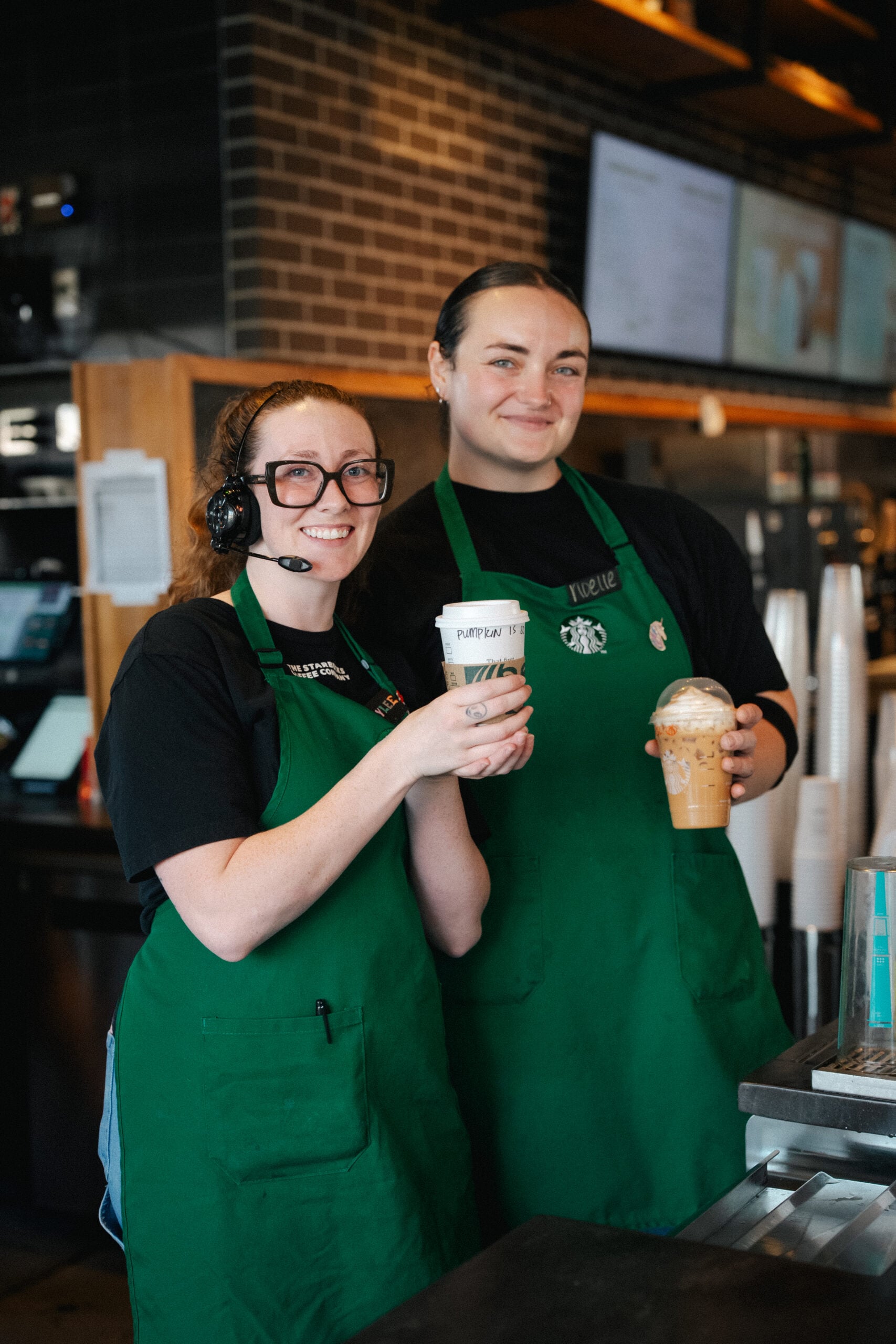

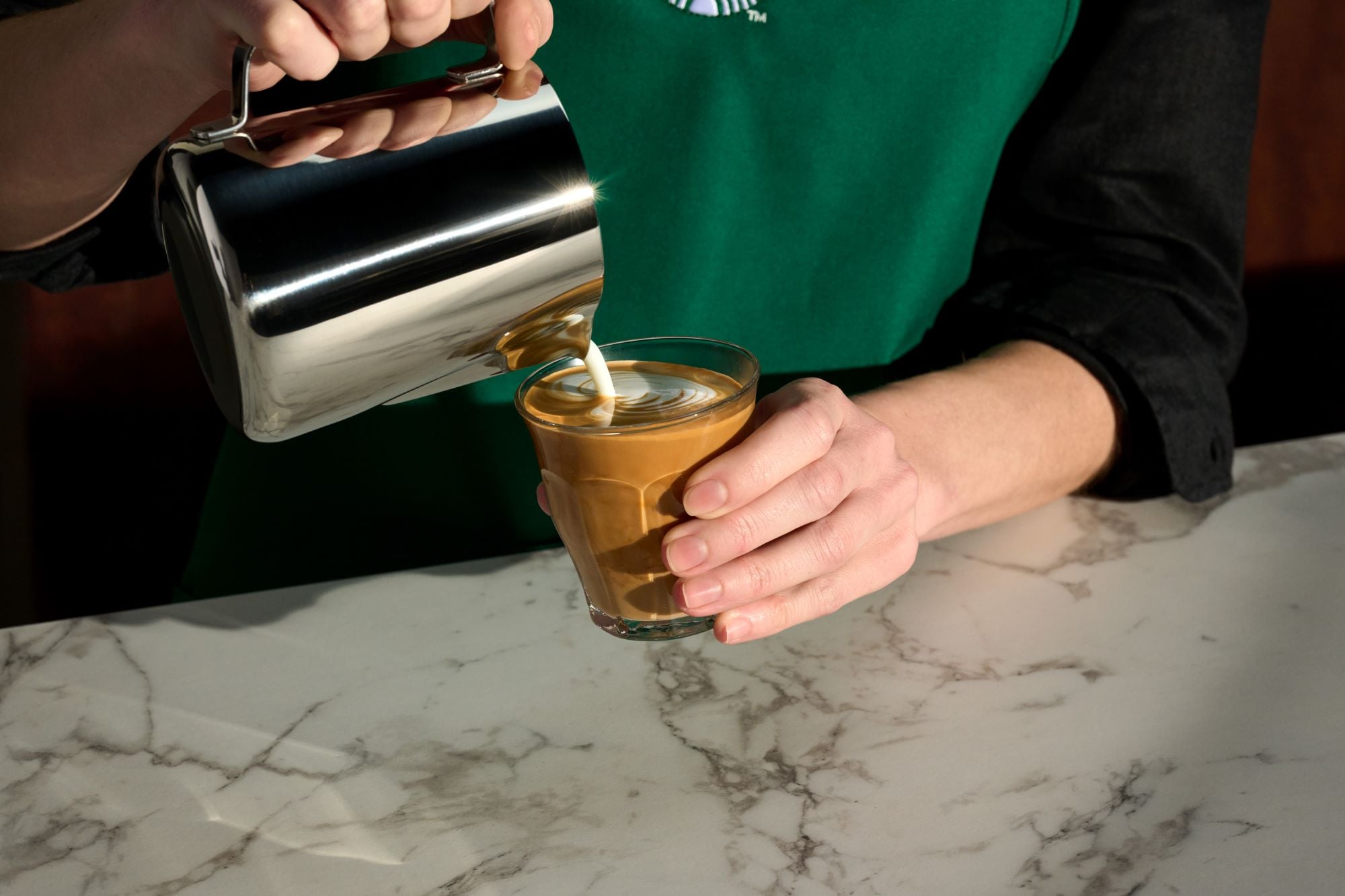
The Back to Starbucks strategy started with a call to action from Brian Niccol on his second day as chairman and ceo: Let’s get back to what made Starbucks an iconic and beloved brand. Two years later, Niccol said the company has made “tremendous progress.” This includes restoring a warm and welcoming coffeehouse atmosphere, delivering great customer service, creating countless moments of human connection and delivering high-quality beverages and food customers crave. All while investing in the partner experience, enhancing benefits and creating more opportunities for career growth. His vision for what’s next: let’s keep raising the bar.
On September 9, 2024, Brian Niccol stepped into the role of Starbucks chairman and ceo.
On his second day, he sent an email to all Starbucks partners. Speaking both as a leader and a longtime customer, Niccol observed that while Starbucks is a beloved brand central to the lives of the customers and communities it serves, it had drifted from the kind of experience that originally set it apart.
“Today, I’m making a commitment,” Niccol wrote. “We’re getting back to Starbucks.”
Niccol’s day two message now reads like a road map for the two years that followed — a vision for how a visit to Starbucks should feel and what teams across the company needed to focus on to bring that vision to life. On the two-year anniversary of sending that email, Niccol reflected on the journey.
“We’ve made tremendous progress,” he said. “What we set out to do was give people the best of Starbucks — the Starbucks experience they know and love. I think our partners have stepped up. I think they’ve delivered on the fundamentals.”
Those fundamentals? Great coffee, made exactly the way a customer wants it. An innovative menu that’s exciting and on trend. Terrific customer service. Partners that are set up for success, so they can connect with customers and create a warm and welcoming coffeehouse atmosphere, whether someone stays for a few minutes or settles in for an afternoon in a comfortable chair with their ceramic mug.
“I think we’ve figured out how to get back to connecting with customers,” Niccol said. “I’m really excited about where we are. And what really makes me happy is I’m hearing from our customers over, and over again, that we’re getting it right.”
The Back to Starbucks strategy has yielded tangible results.
2024

September 2024
Back to Starbucks begins
Starbucks announced plans to refocus on creating welcoming coffeehouses centered on great coffee, skilled baristas and meaningful customer connection.
October 2024
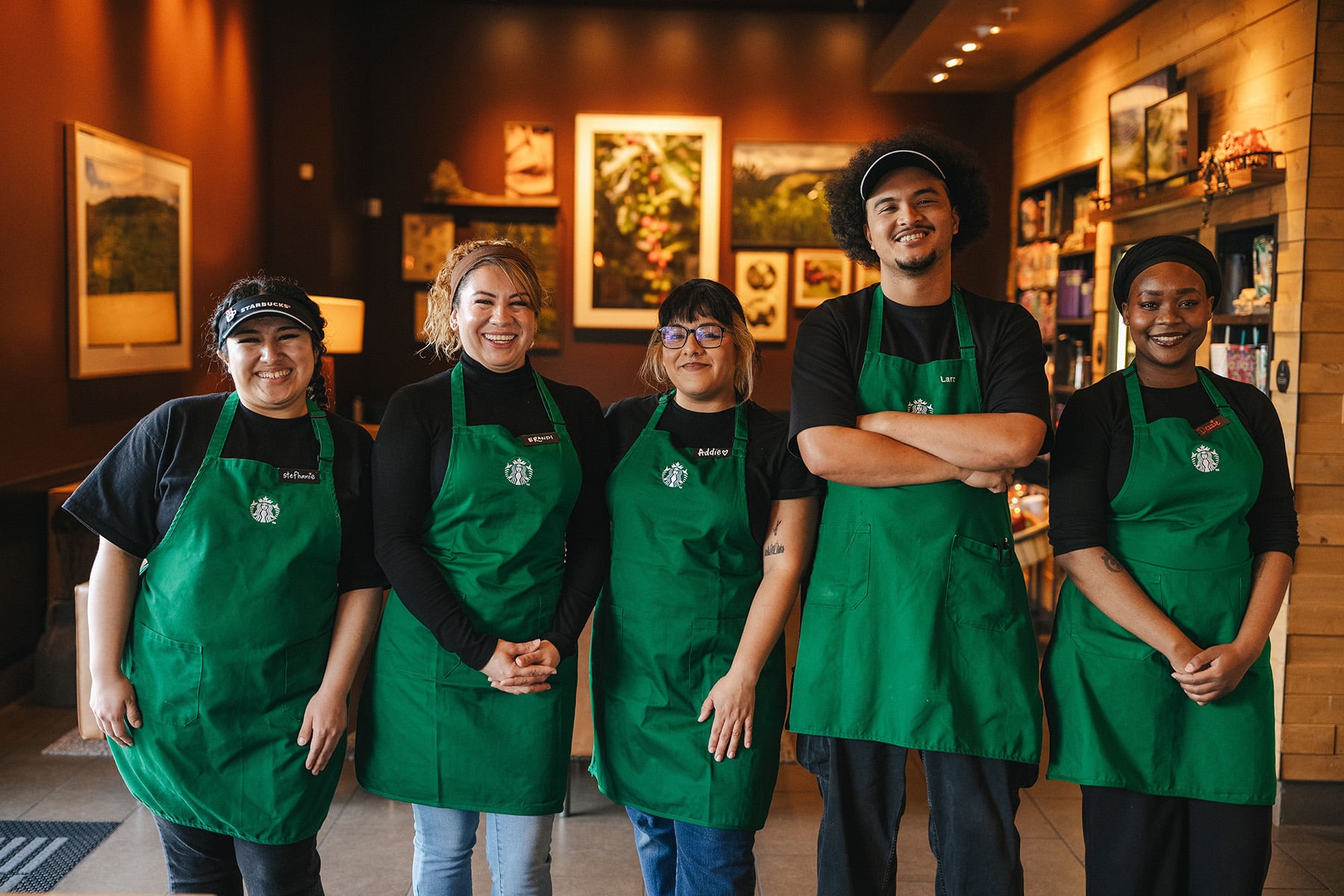
Investing in partners
Expanded staffing in thousands of coffeehouses, strengthened benefits and committed to creating more opportunities for partners to grow their careers.
2025

January 2025
Reimagined the coffeehouse experience
Brought back ceramic mugs, free refills and condiment bars, and introduced standards to make coffeehouses a more welcoming experience for customers who choose to sit and stay.

February 2025
Reintroduced Starbucks to the world
The ad “Hello Again” marked the return of brand-building marketing focused on coffee, community and connection while setting the foundation for a more visible, culturally relevant Starbucks.

June 2025
Unveiled the coffeehouse of the future
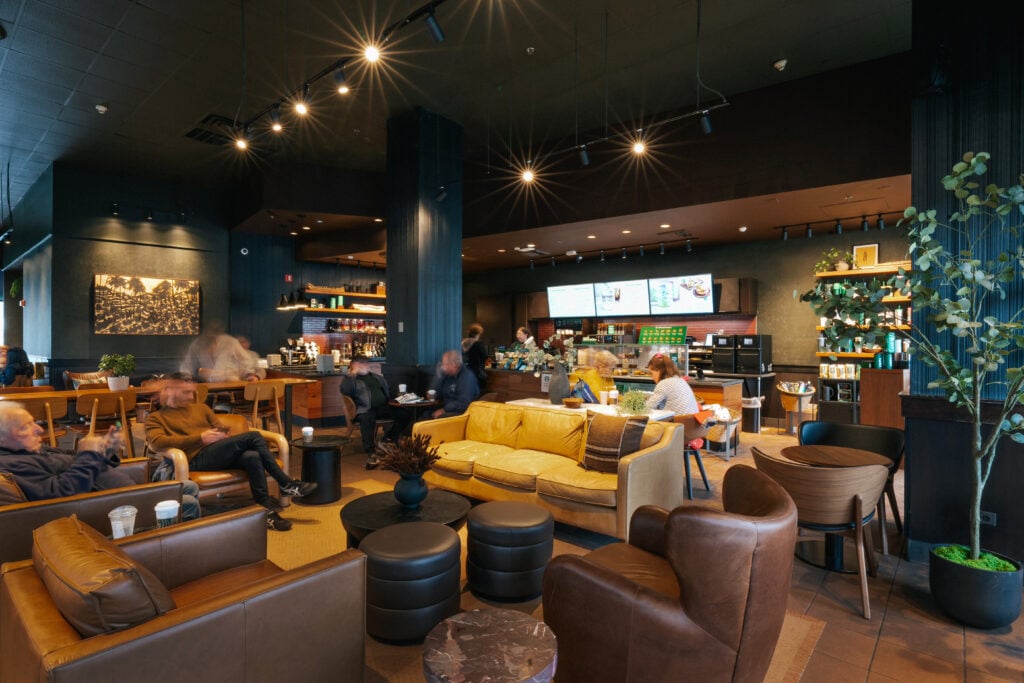
Introduced a new vision for Starbucks coffeehouses and announced plans for coffeehouse uplifts to come including softer seating, warmer colors and texture and more.
June 2025
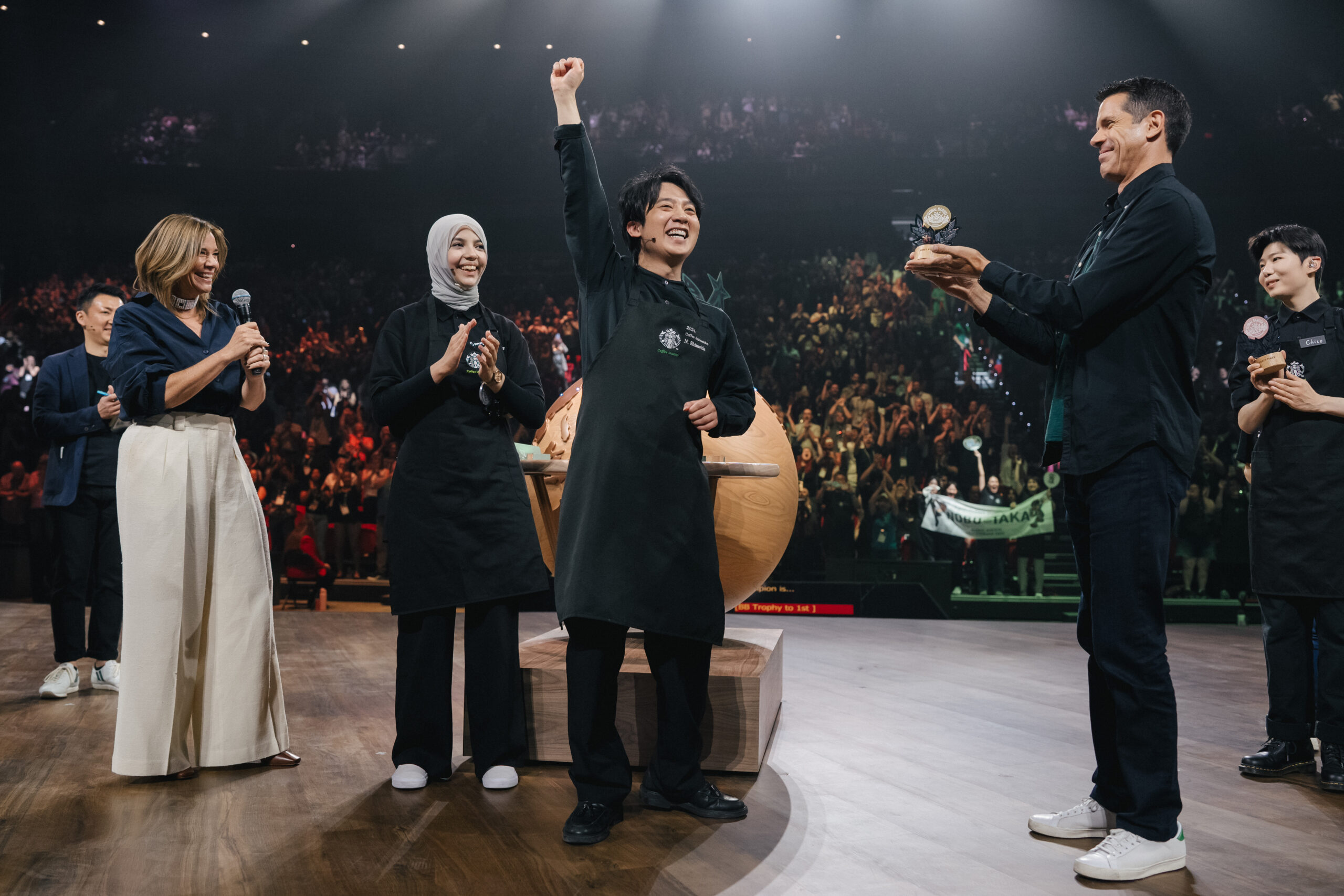
Celebrating coffee craft
Hosted the first Starbucks Global Barista Championship and reinforced Starbucks commitment to coffee expertise and partner craft.
August 2025
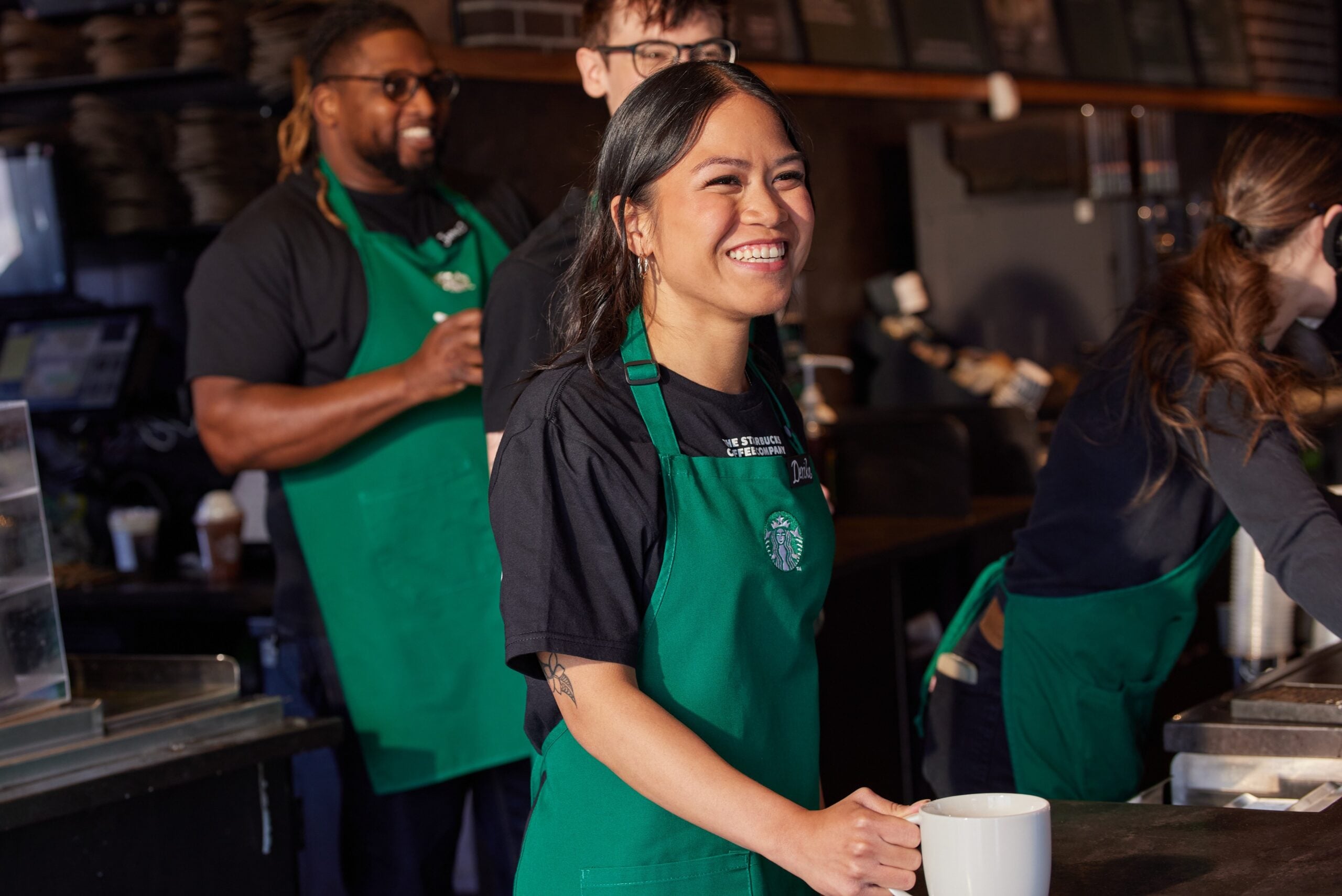
Brought customer service back to the center
Green Apron Service rolls out nationwide, scaling an operating model focused on hospitality, consistency and customer connection. The approach gives baristas more time, tools and support to focus on craft and creating a welcoming coffeehouse experience.
September 2025
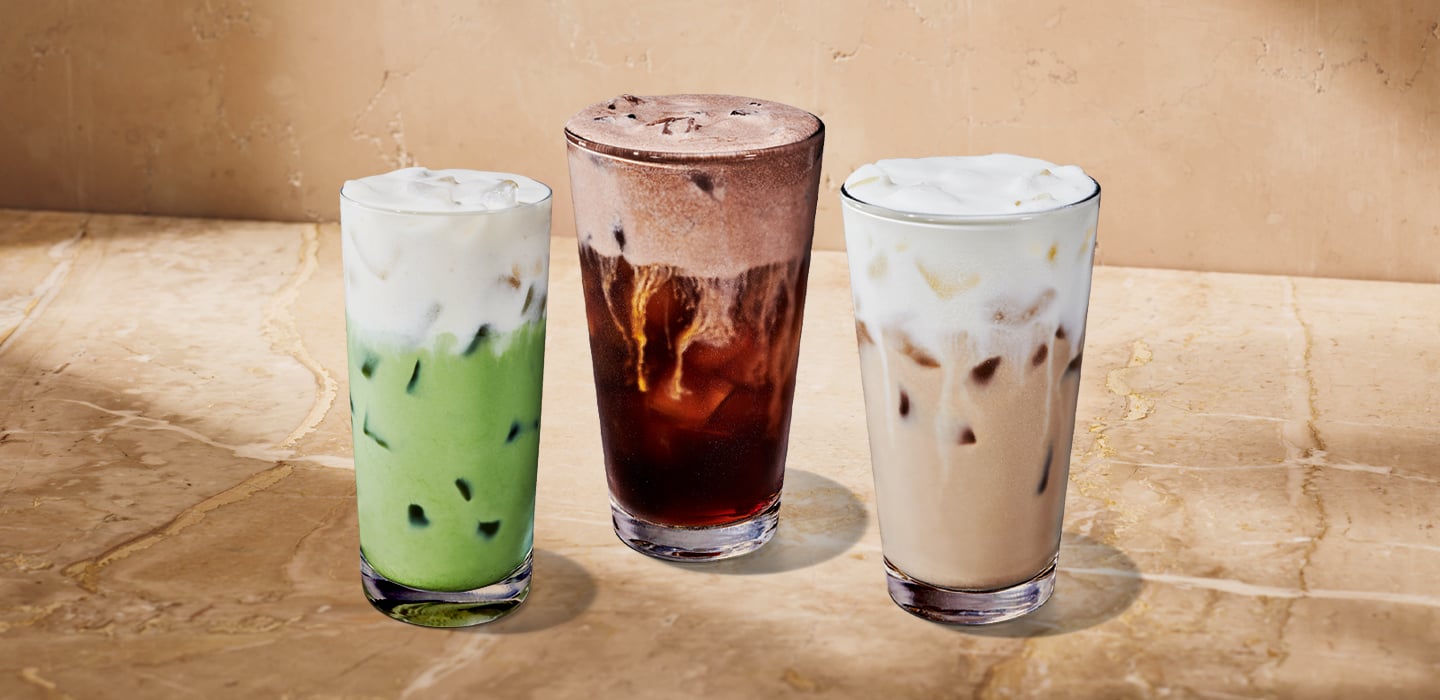
Creating new reasons to visit Starbucks
Introduced Protein Lattes and Protein Cold Foam and expanded innovation designed to meet changing customers tastes and routines.

November 2025
Delivered a record-breaking holiday launch
Customers showed up in record numbers, driving the biggest sales day in Starbucks history in North America
2026

January 2026
Launched a new core menu lineup
New food and drinks arrived with globally inspired flavors and a wider matcha range.
March 2026
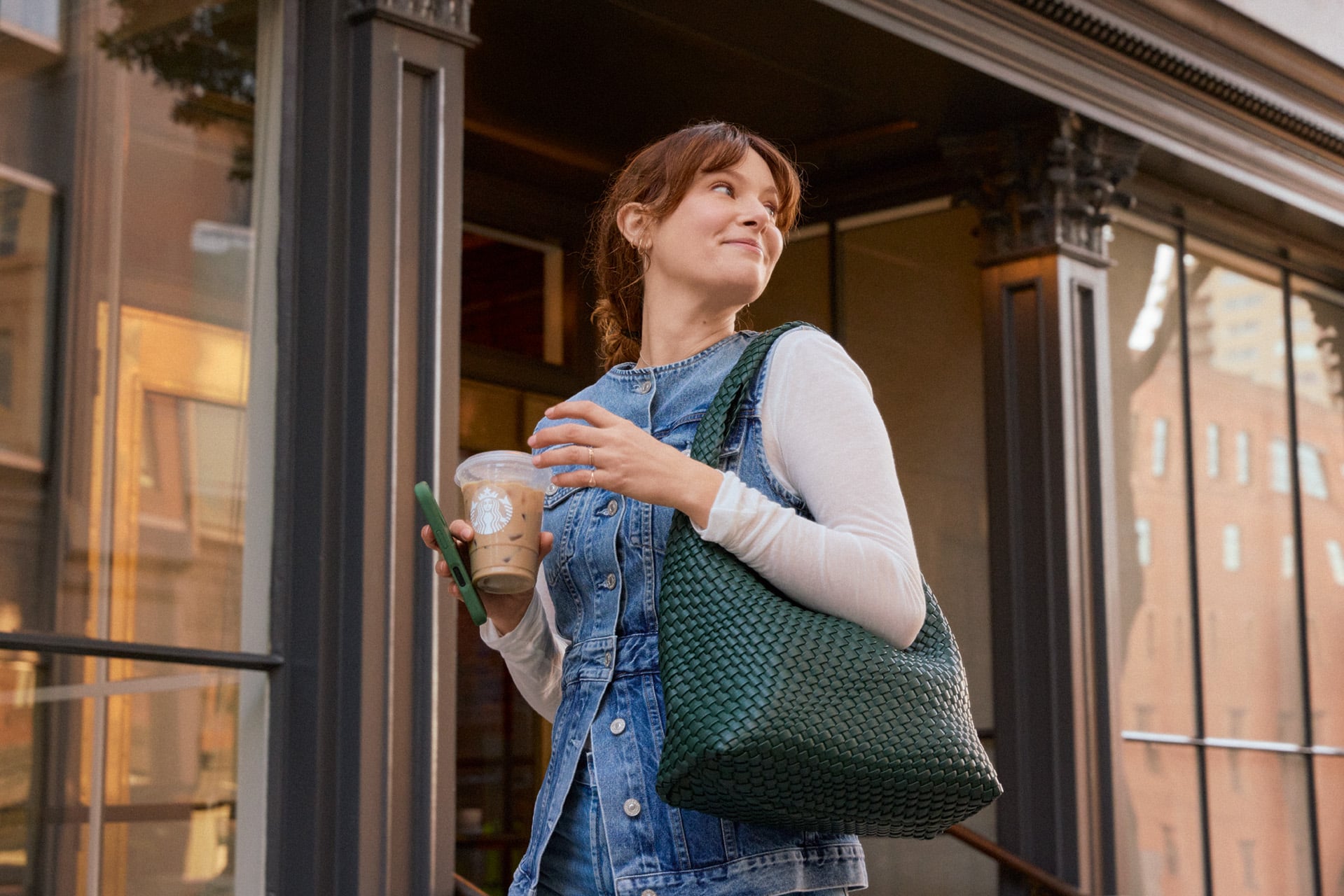
Reimagined Starbucks Rewards
Introduced new membership tiers, expanded benefits and more ways for customers to engage with Starbucks.

April 2026
Accelerating beverage innovation
Introduced Energy Refreshers and expanded menu innovation, creating more personalized experiences and new reasons for customers to choose Starbucks throughout the day.
April 2026
Recognized for career growth
Named an Overall Platinum Employer by the American Opportunity Index, recognizing Starbucks commitment to career growth and opportunity for partners, such as the goal of growing 90% of leaders from within the company.

April 2026
More ways to reward hourly partners
Introduced the opportunity for green apron partners to earn a quarterly Best of Starbucks Reward, worth up to $1,200 a year. Also introduced expanding tipping options for customers and weekly for partners.

May 2026
20,000 ASU graduates – counting
The Starbucks College Achievement plan offers 100% upfront tuition coverage for a bachelor’s degree at Arizona State University. A further 25,000 partners are currently enrolled.

June 2026
Expanded support for coffeehouse leaders
Rolled out Coffeehouse Coaches nationwide, providing additional leadership support and thousands of career opportunities to support running great coffeehouses.

July 2026
Ranked #1 for overall hourly benefits value
Aon analysis ranked Starbucks first in overall hourly benefits value, compared to more than 60 U.S. retail companies.
July 2026
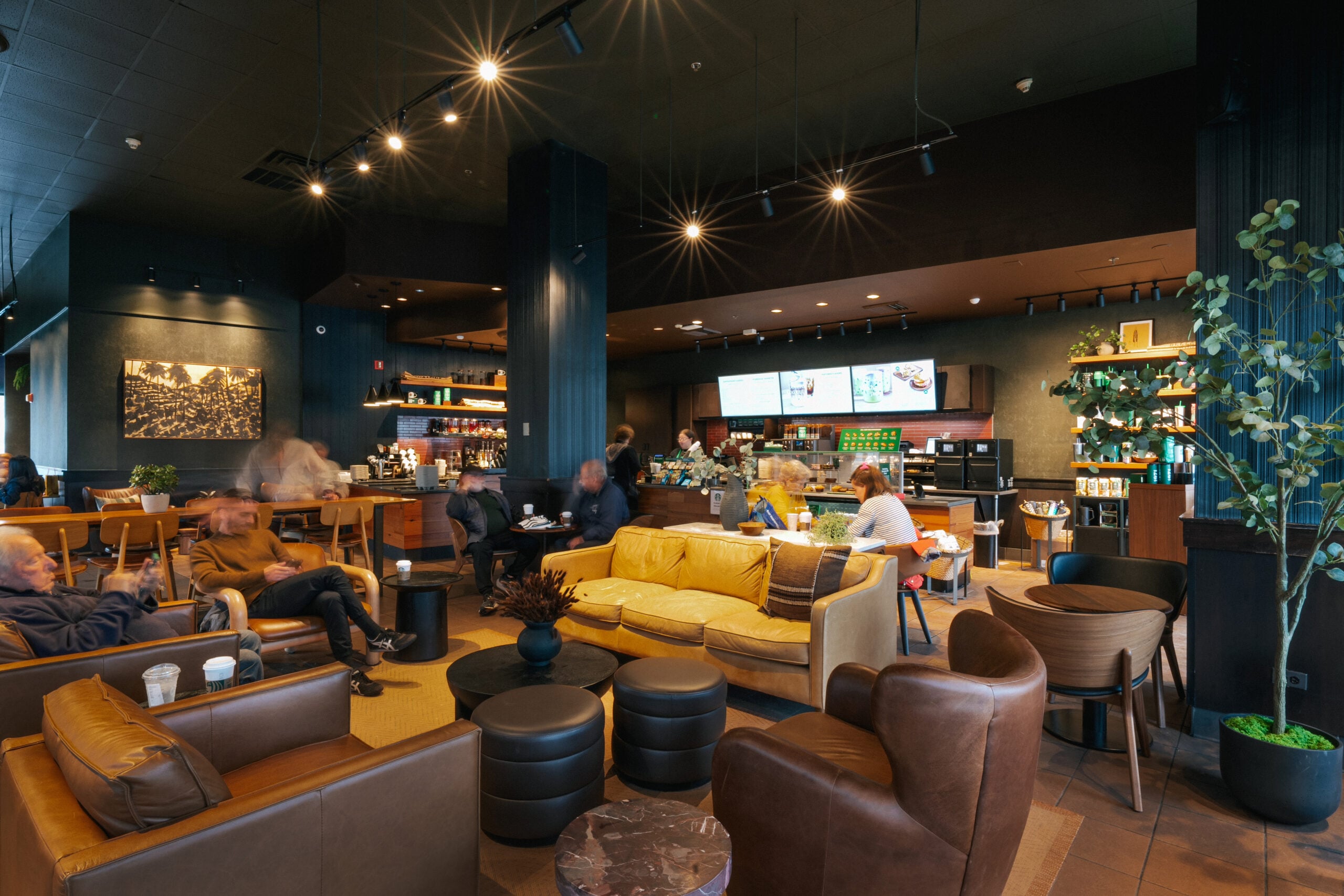
Expanding coffeehouse uplifts
Brought warmer, more welcoming coffeehouses to hundreds of communities, surpassing 1,000 uplifted locations across the U.S. and Canada.
July 2026
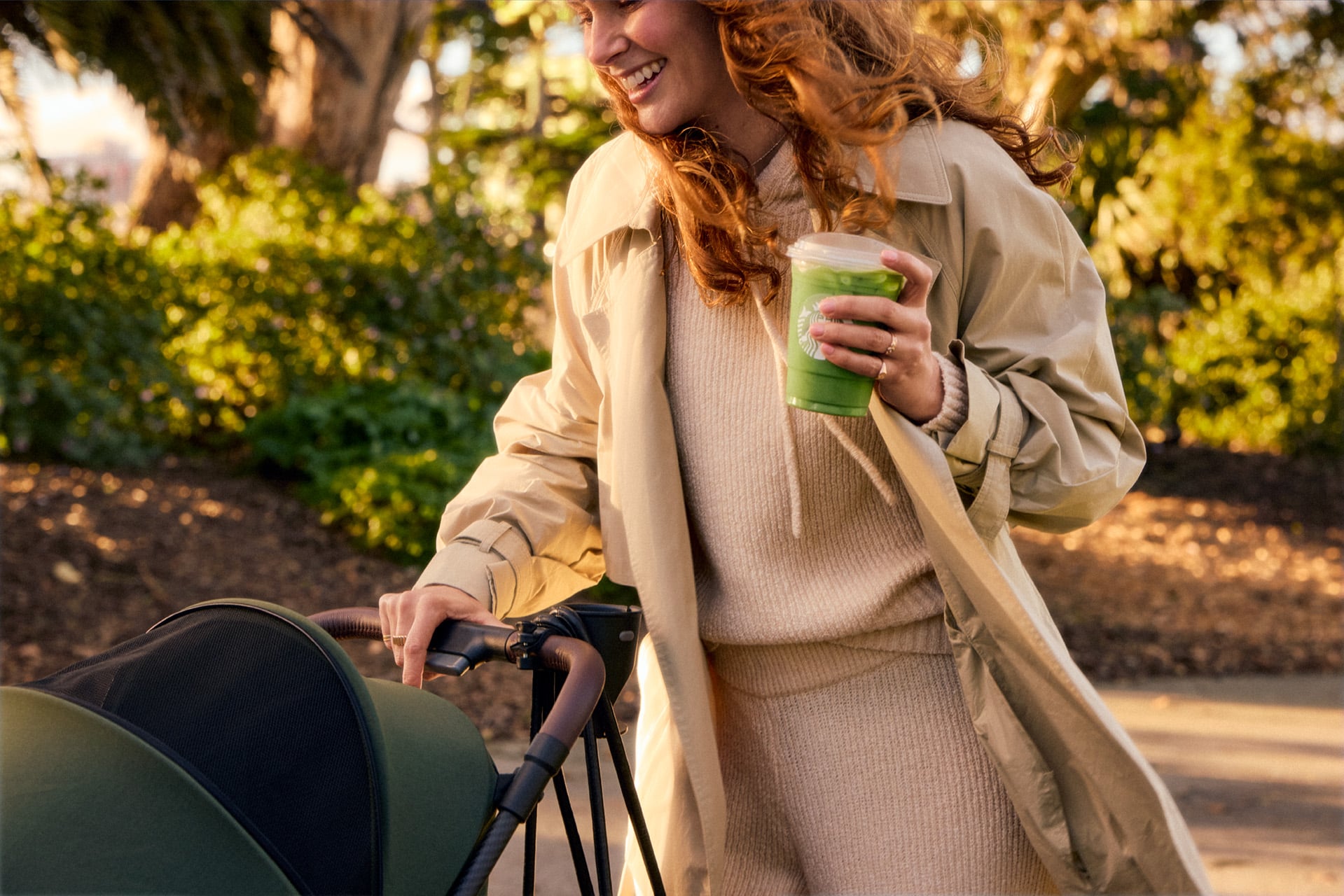
Continuing to build momentum
Delivered fourth consecutive quarter of positive global comp sales growth in Q3 FY26, increasing 7.9% globally and 8.1% in North America year-over-year.
August 2026
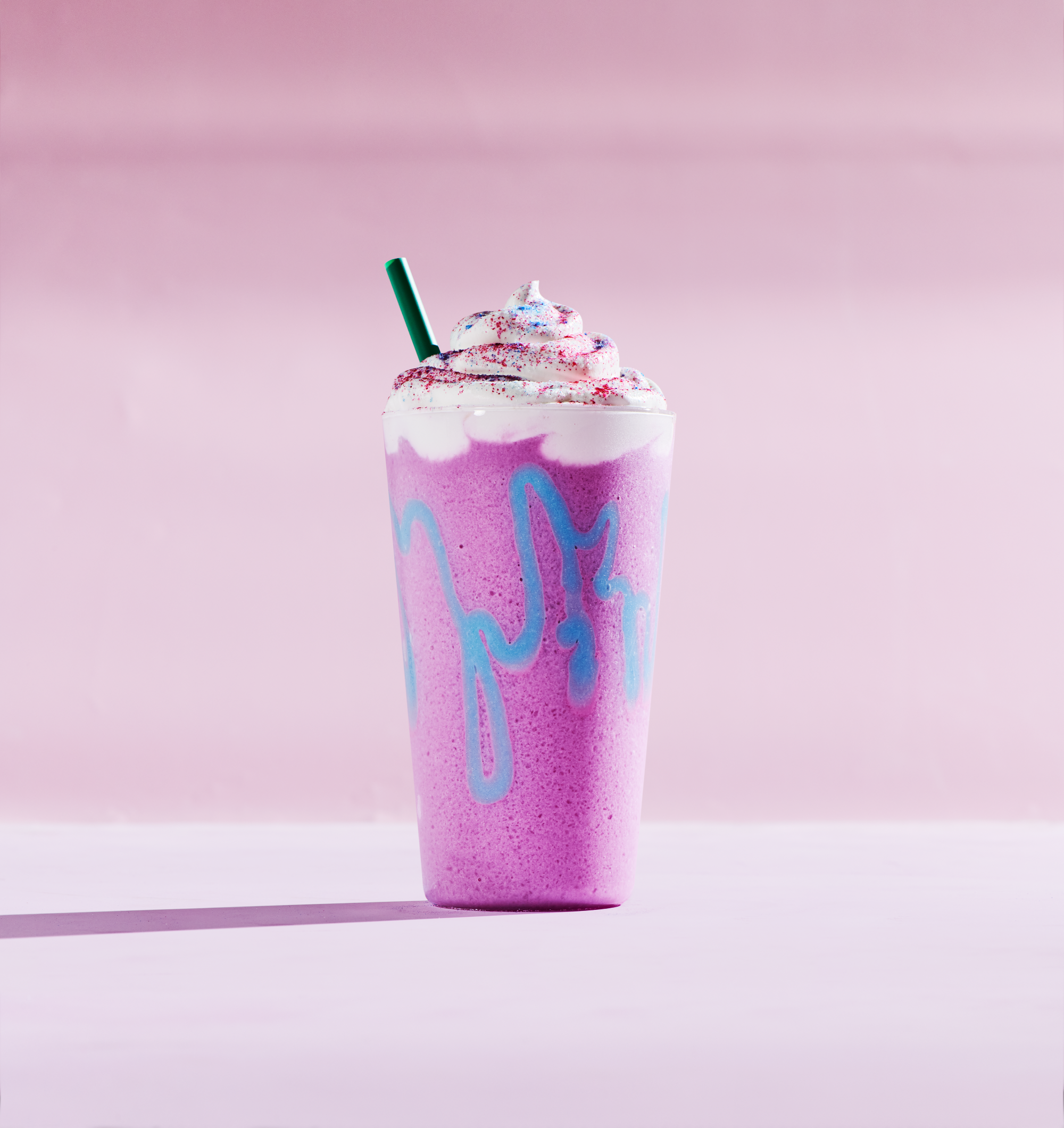
Strengthening Starbucks fandom
From the return of the Unicorn Frappuccino to continued innovation, season moments and merchandise, Starbucks showed up in culture with confidence and created new excitement for customers.
September 2026
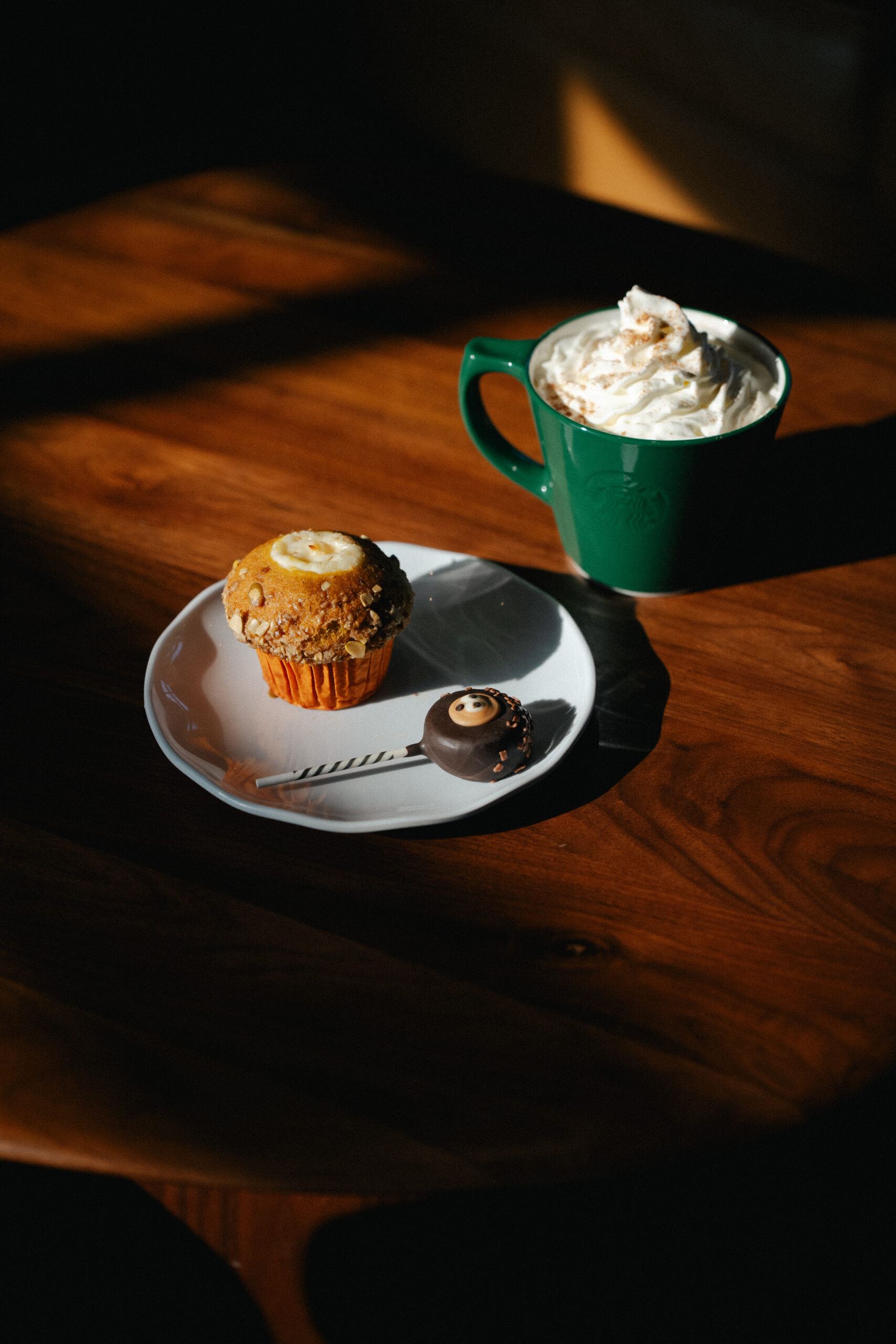
Delivered the strongest fall launch in Starbucks history
Partners welcomed customers back for a record-setting start to autumn in company-operated stores.
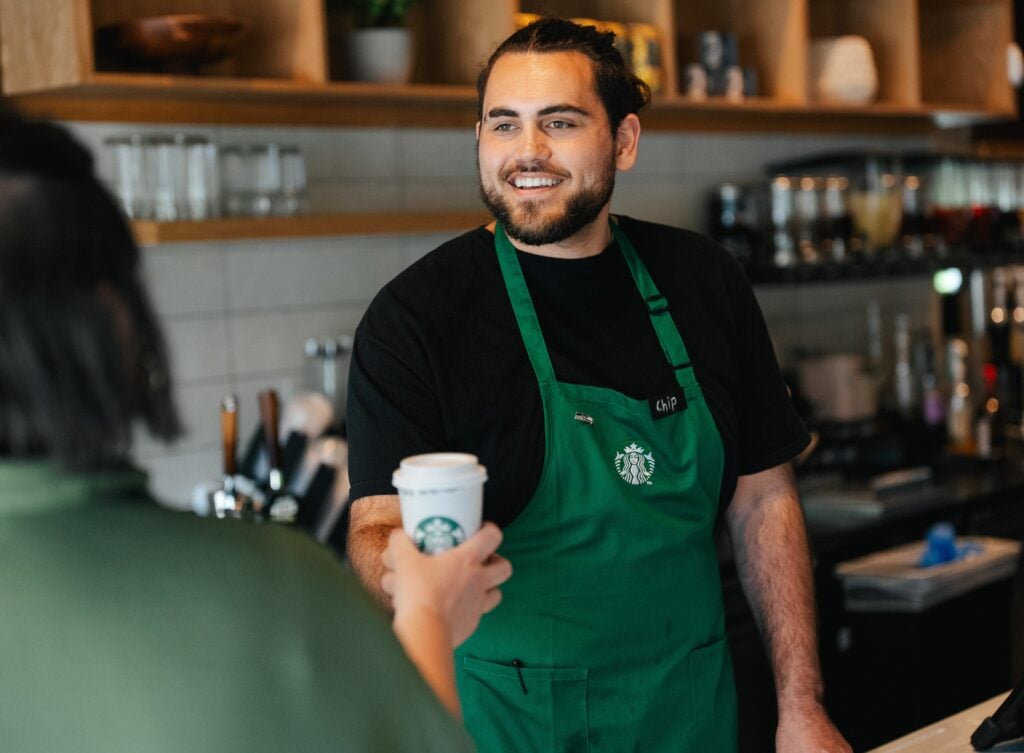
Over the past two years, Starbucks has put customers back at the center with a commitment to hospitality, consistency and speed — a warm welcome, a well-made beverage, timely service, and the return of iconic Starbucks traditions like cup writing and ceramic mugs with free refills for those who want to linger.
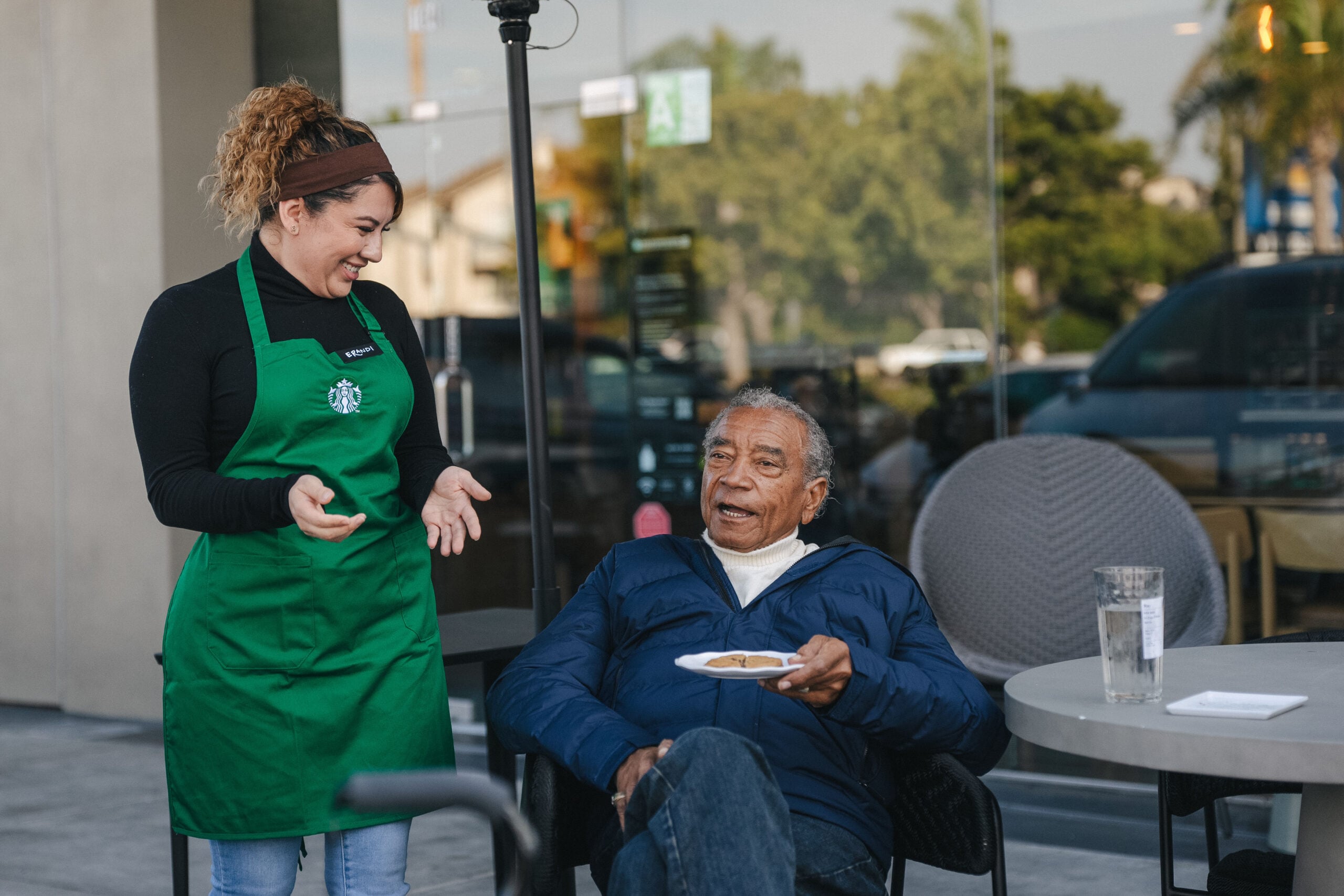
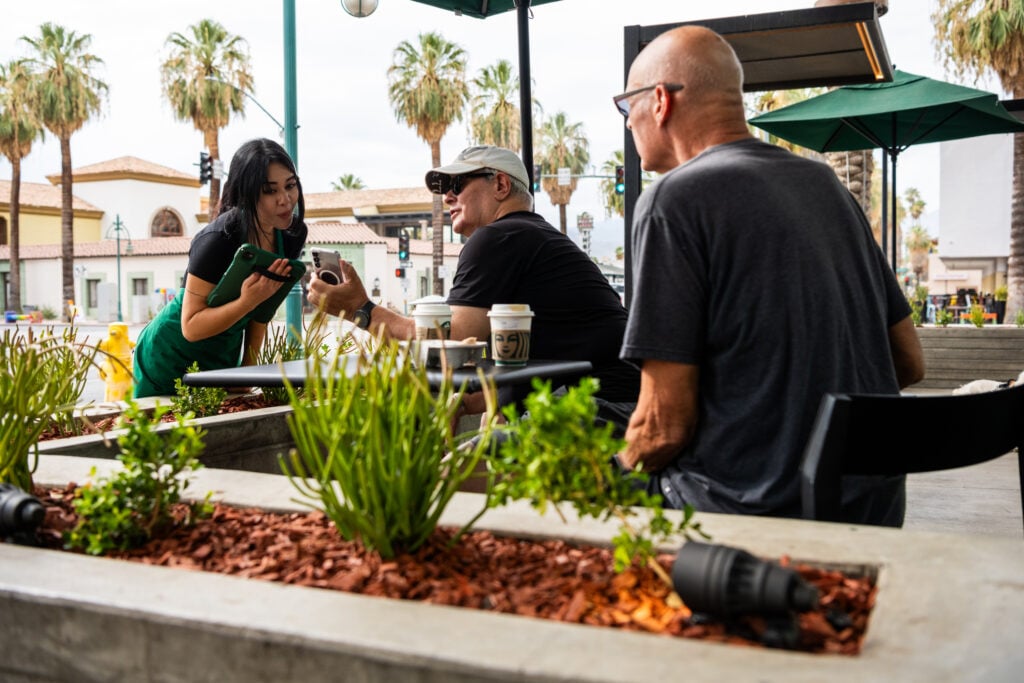
“I’ve met so many customers where this becomes their office. This becomes like their place to get away from stressors of regular life,” said Emily, a coffeehouse leader in Renton, Washington. “That’s what I want my coffeehouse to be … We can create that experience … we ask about your day, we ask about your life and we remember your name. Coffee is such a great thing to share with people. This is a place that they can spend their time. I really am aligned with Starbucks’s third place idea.”
Chris Madden, one of Emily’s customers, said he thinks it’s great that Niccol’s vision for Starbucks is both performance- and culture-driven.
“It’s so nice (at this “uplifted” coffeehouse with new seats, lighting and art), like this is the way it kind of should have been designed. Not only do you have the tables now, you have more of like a hangout space, and kind of the more homey feel,” he said.

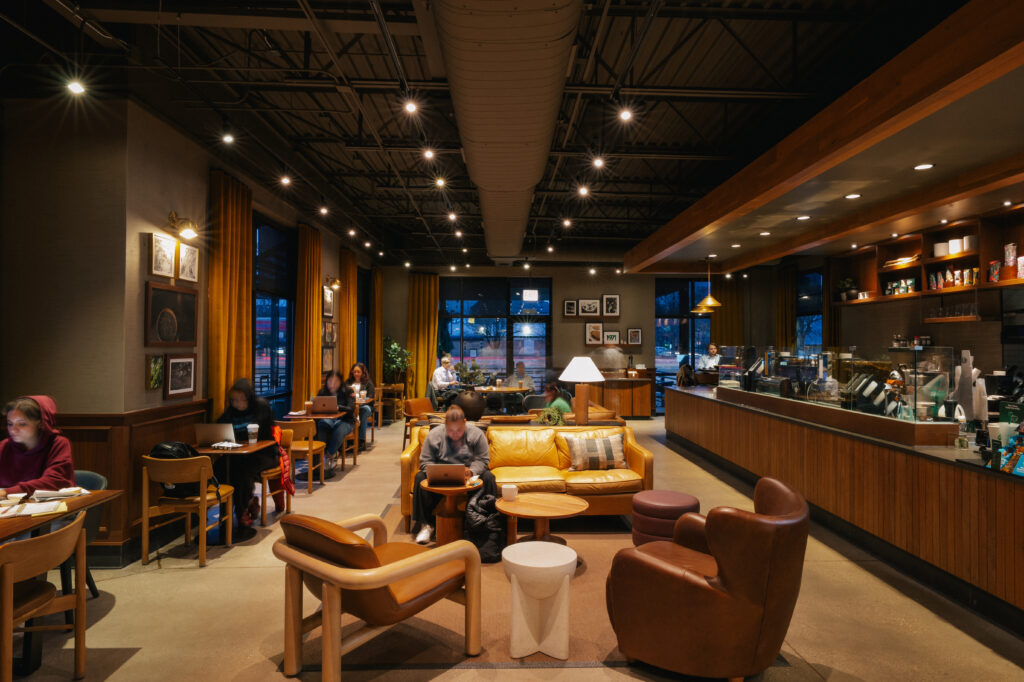
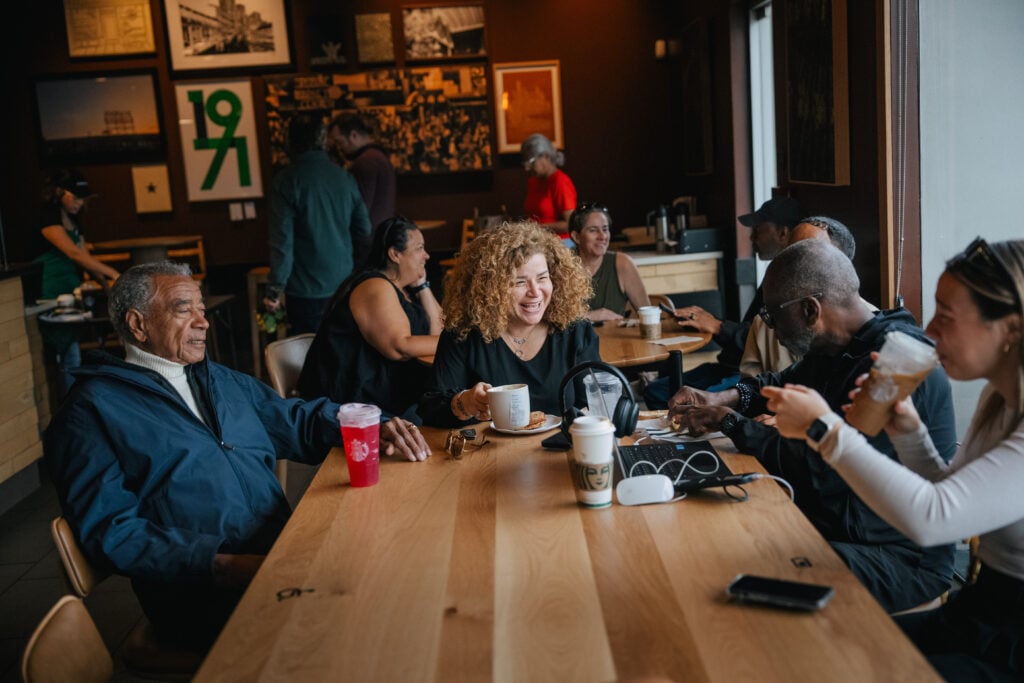
Starbucks has always delivered more than coffee, Niccol said, and two years in — in a world increasingly defined by digital interactions — he believes human connection and welcoming community gathering places are more important than they’ve ever been.
Building on Starbucks commitment to serving the world’s finest coffee, the company has leaned into compelling, culture-leading menu innovation over the last two years, with must try drinks and food items that reflect what customers want — always with Starbucks commitment to craft and quality.
For partners, Starbucks has focused on ensuring coffeehouse roles remain great jobs, with competitive pay and industry-leading benefits. This includes expanded benefits, like 18 weeks of paid parental leave, comprehensive health care and the ability to earn a four-year degree with 100% upfront tuition coverage, available for both full and part-time partners who work at least 20 hours a week. In July, an Aon analysis ranked Starbucks No. 1 in overall hourly benefits value, compared to more than 60 U.S. retail companies.
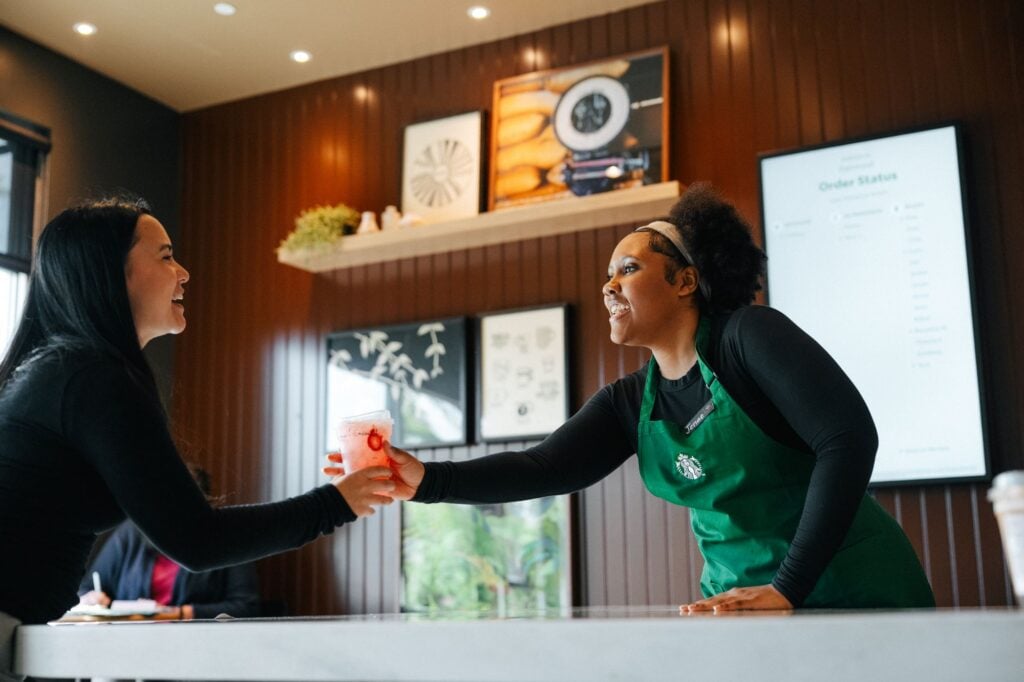
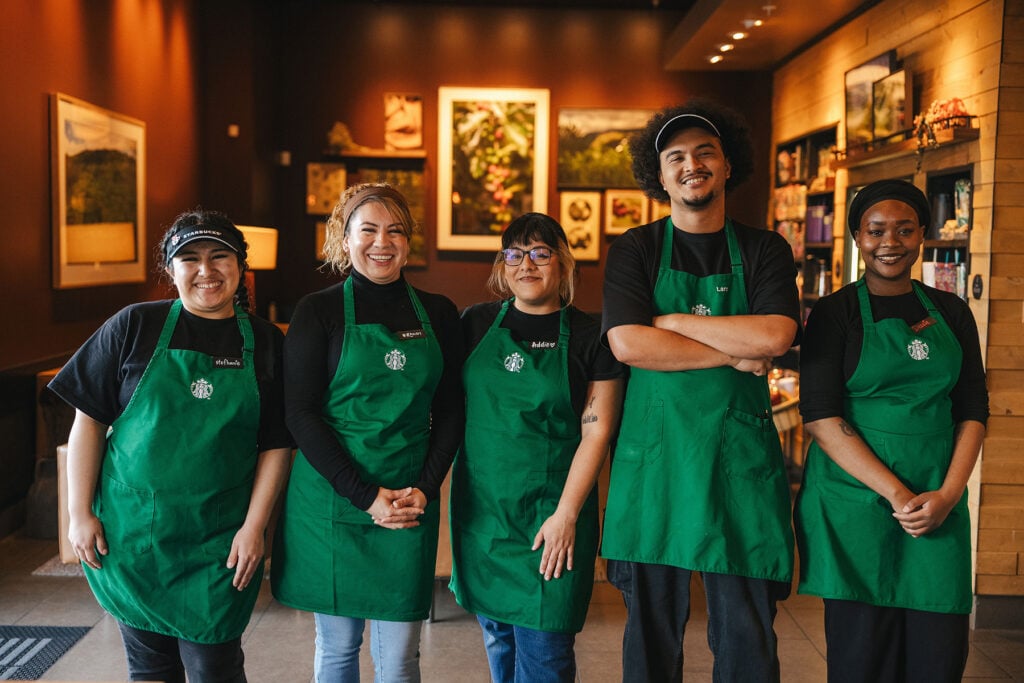
The company has also invested more than $500 million in partner hours, bigger rosters and putting more partners on shift, especially during busy times. It introduced new quarterly incentive bonuses for coffeehouse teams. And with new roles like coffeehouse coach and a commitment to promote from within for 90% of retail leadership roles, Starbucks has created thousands of opportunities for career growth.
The proof is also tangible for investors and shareholders, including thousands of Starbucks partners who receive bean stock grants. Starbucks has now delivered four consecutive quarters of positive global comparable sales growth, including two consecutive quarters of margin expansion and higher earnings guidance.
As for what’s next, Niccol shared, “This next chapter will require the same discipline, drive and focus that got us here. We have made real progress. We have strong momentum. And we are just getting started.”