Keeping your cup full: How Starbucks is supporting the future of coffee
Your morning ritual of drinking coffee is easy to take for granted, but in some areas, farmers may not be able to grow arabica coffee in as soon as 10 years. Starbucks agronomists are fighting to change that.

Carlos Mario Rodriguez thought he was about to be robbed. He was driving from his home to work on deserted back roads when he noticed a car following him.
It kept honking and the driver was motioning to him to pull over but Rodriguez didn’t recognize him so he sped up to try to lose him. The car sped up too. Each turn he made, the car also made.
After about 15 minutes, Rodriguez had enough and decided to pull over.
“I’m a peaceful person so normally I’m not scared but I was very surprised. I didn’t know if he was going to try to take something from me, or he needed help or what,” he remembered.
Nervously, he lowered his car window.
“Can I have some of the seeds from your farm?” the man asked.
Yes, Rodriguez said, relieved. The answer is always yes.
Rodriguez is Starbucks head R&D for agronomy and farmer support at Hacienda Alsacia, the company’s working research farm in Costa Rica. He’s worked for decades developing new types of coffee trees that will help farmers, such as the desperate one at his car window, be more successful.

While Sept. 29 is National Coffee Day in the United States and Oct. 1 is International Coffee Day, for coffee farmers, every day is coffee day.
Most of us don’t think too much about it when we order a cup of coffee beyond wanting it to taste good and warm us up on a chilly morning or cool us down on a hot summer day. But behind every cup of coffee, sold anywhere by anyone, is a farmer who relies on coffee for their livelihood. Both coffee and the communities that grow it are increasingly vulnerable due to climate change, depleted soil, reduced harvests and other issues that threaten farms.
In some places, it may not even be possible to continue growing high-quality coffee in the next few decades — unless something changes.
Supporting the future of coffee is an audacious team effort including Starbucks agronomists and people like Rodriguez, covered in dirt and rooted in the earth as they work to create more fruitful and resilient coffee trees, and others sitting at desks thousands of miles from the nearest coffee farm calculating fertilizers’ effectiveness or investigating why a farmer’s coffee crop suddenly tastes like potatoes.
A critical part of this team is an elite squad with highly trained palates working out of a laboratory at the Starbucks Support Center in Seattle.
‘Fail is a flavor’
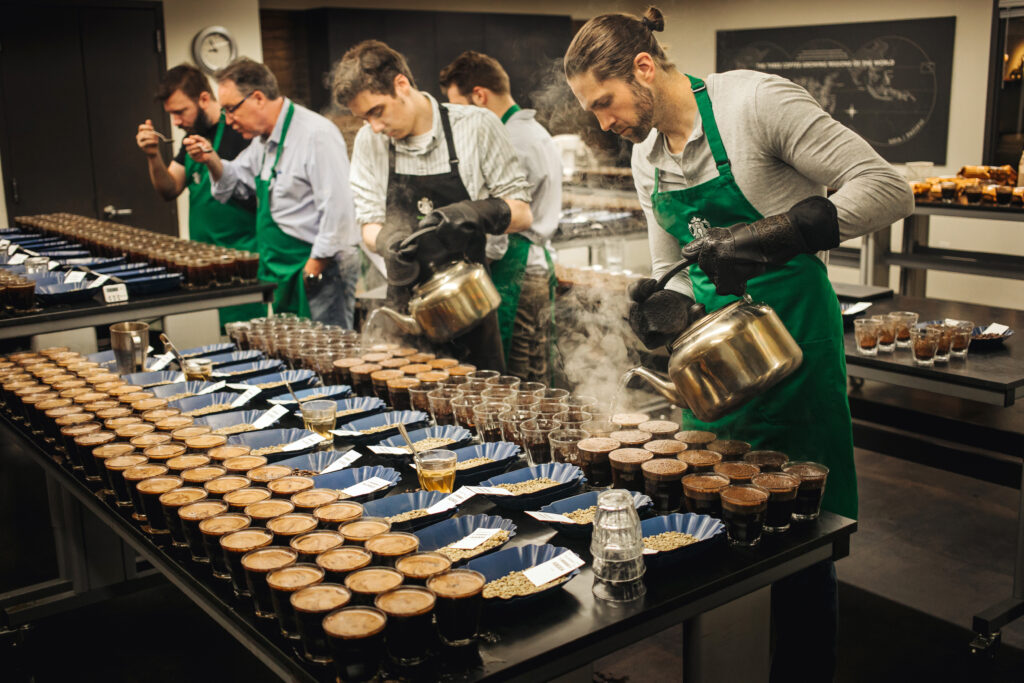
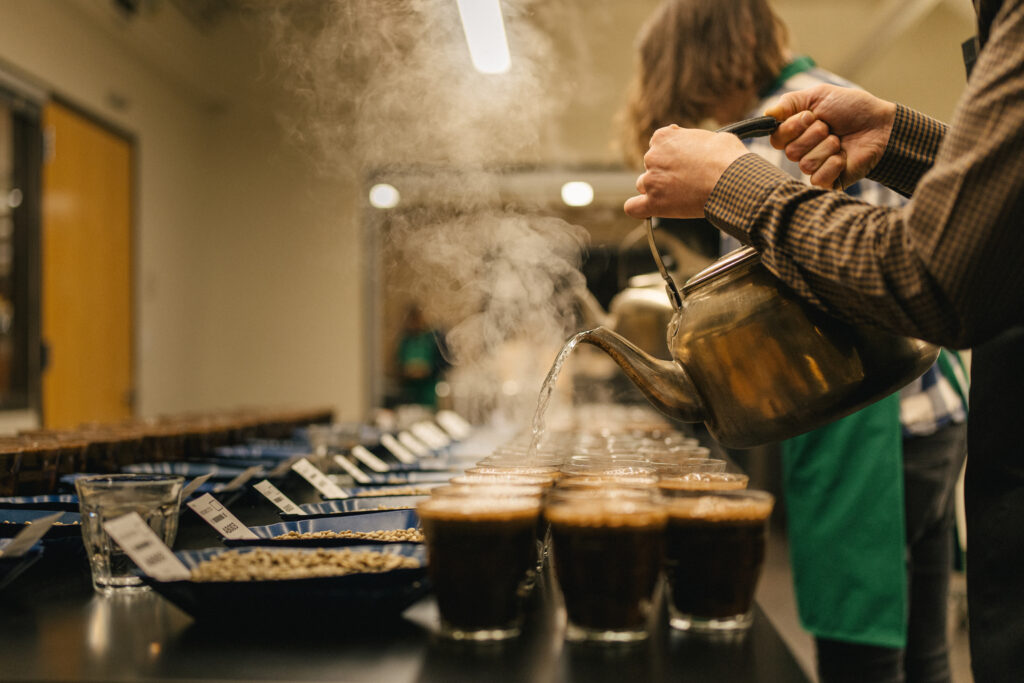
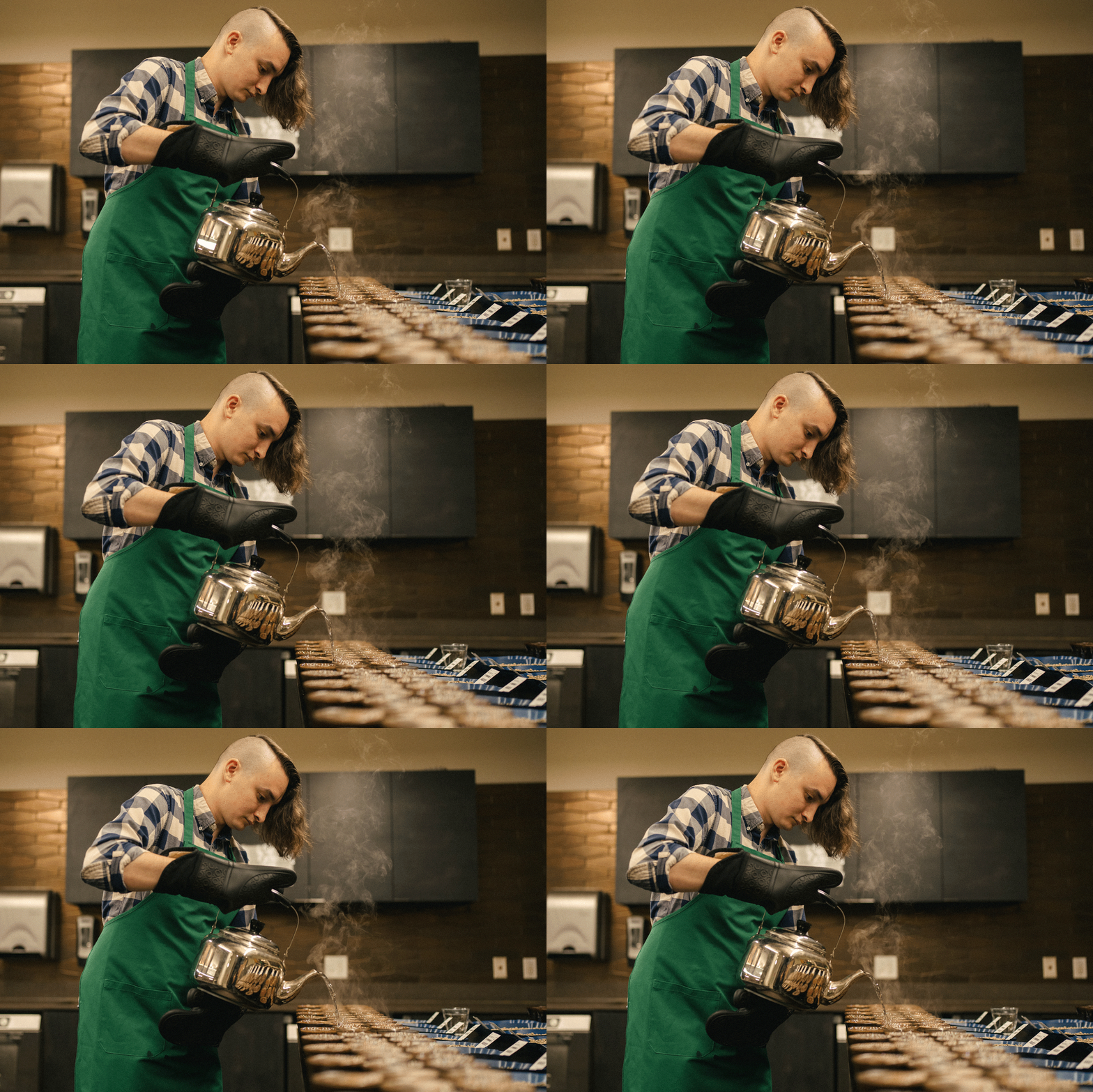
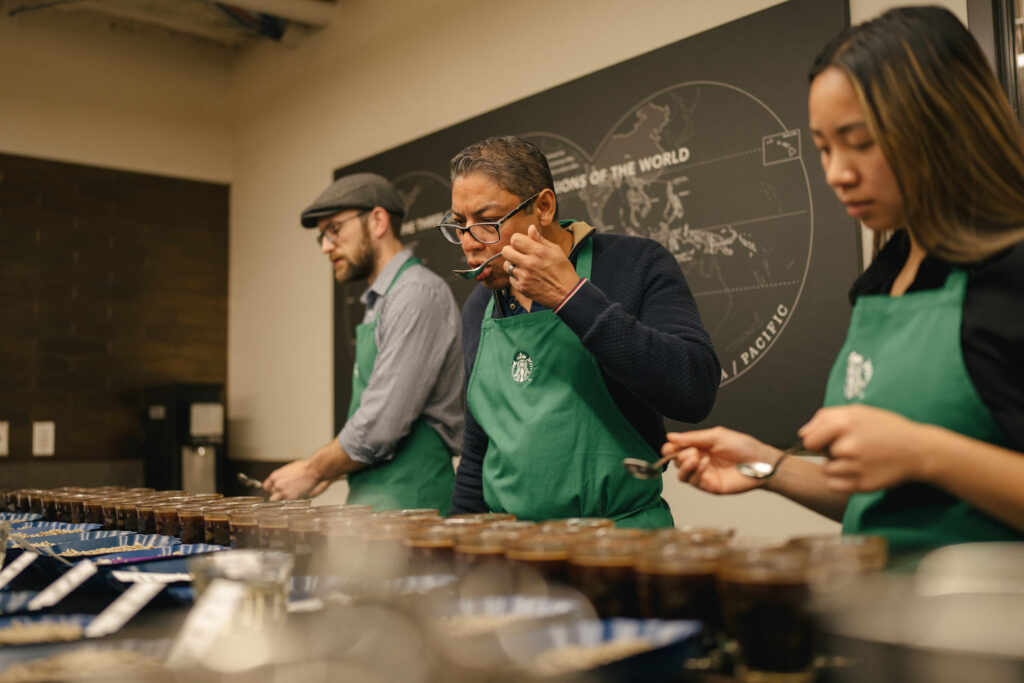
Leslie Wolford can taste it when something has gone wrong. She’s part of a small but mighty group of coffee tasters in the Starbucks “cupping room” who sample hundreds and sometimes thousands of cups of coffee a day from around the world. Their mission: Discover if the coffee meets the standard to be a Starbucks coffee.

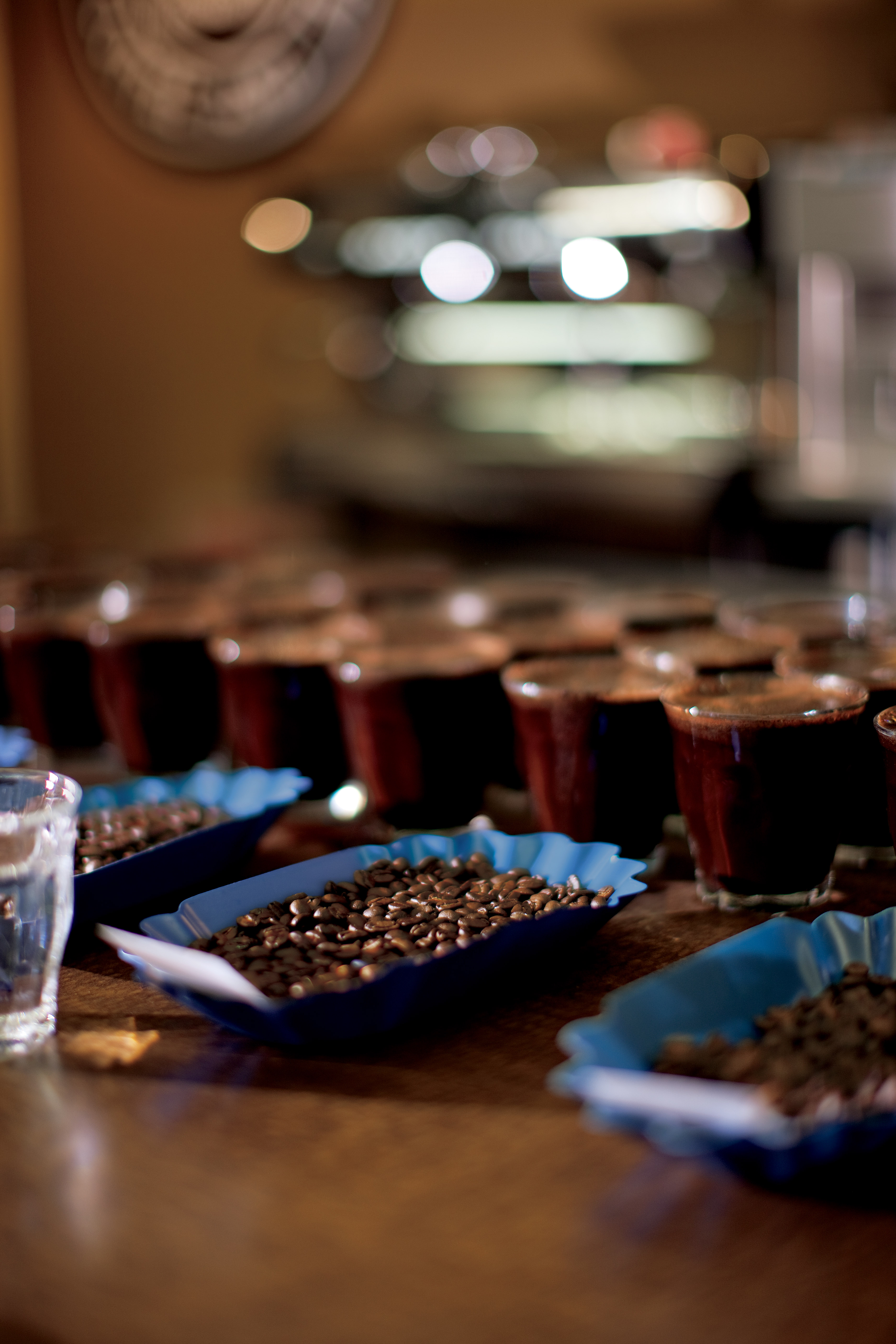
When we are tasting coffee, we are thinking about how that is that farmer’s livelihood.”
During her 34 years with Starbucks, Wolford estimates that she’s tasted a million cups of coffee. So, she knows what great coffee tastes like – and what it doesn’t.
“Fail is a flavor,” said Wolford, who is the coffee development principle and works with a small team to create coffees for Starbucks.
“If there is something wrong with it, we have to find it, because we don’t want that to get into our customers’ hands,” said Wolford. She knows that almost always it’s not the fault of the farmer, but rather due to conditions like drought. “When we are tasting coffee, we are thinking about how that is that farmer’s livelihood.”
That’s why she and the others take their work so seriously. They know the weight of their decisions. They protect their palates, making sure they don’t eat anything that might impact their ability to taste – some don’t even use toothpaste when they brush their teeth. They even compartmentalize any arguments with a spouse, so a bad mood won’t affect their feeling about the taste. They focus on the science, painstakingly ensuring the coffee meets our quality and flavor expectations — and noting it when it doesn’t. When a coffee fails the taste test, it’s not the end, but rather the start of an investigation. The team works backward to identify what went wrong. The goal is to work with the farmer to fix it, so in the future they can be more successful.

Helping farmers, even if they don’t sell to Starbucks
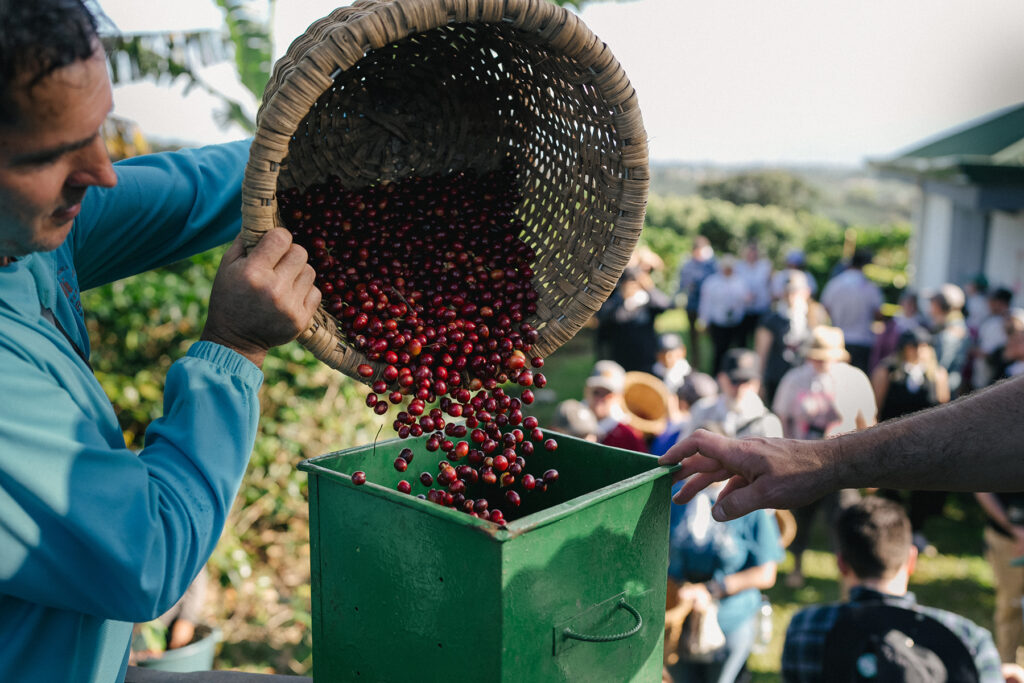
Starbucks has 10 Farmer Support Centers and a number of model farms around the world where agronomists share their expertise at no cost to the farmer, regardless of whether the farmers sell to Starbucks – and even if their crop isn’t coffee. More than 95 percent of the 450,000 farms Starbucks buys coffee from are small, most are less than 2 hectares, or 5 acres. Some are much smaller than that, said Roberto Alonso Vega Alfaro, vice president of global agronomy, R&D and sustainability at Starbucks Coffee Trading Company, which sources Starbucks coffee beans from around the world.
Starbucks has one of the largest privately held collections of coffee varieties in the world, said Ritesh Sharan, director of global Farmer Support Centers and Hacienda Alsacia. Rodriguez and Starbucks agronomists have worked for years to create varieties that are climate and disease resistant, can grow more coffee than other trees and reach maturity faster so farmers can harvest them. Rodriguez, whose mother grew coffee and sugar cane, estimates they have more than 600 core coffee varieties now with nearly 300 more hybrids currently being developed. Agronomists at the Farmer Support Centers give those seedlings away, test soil to help identify the best balance and more.
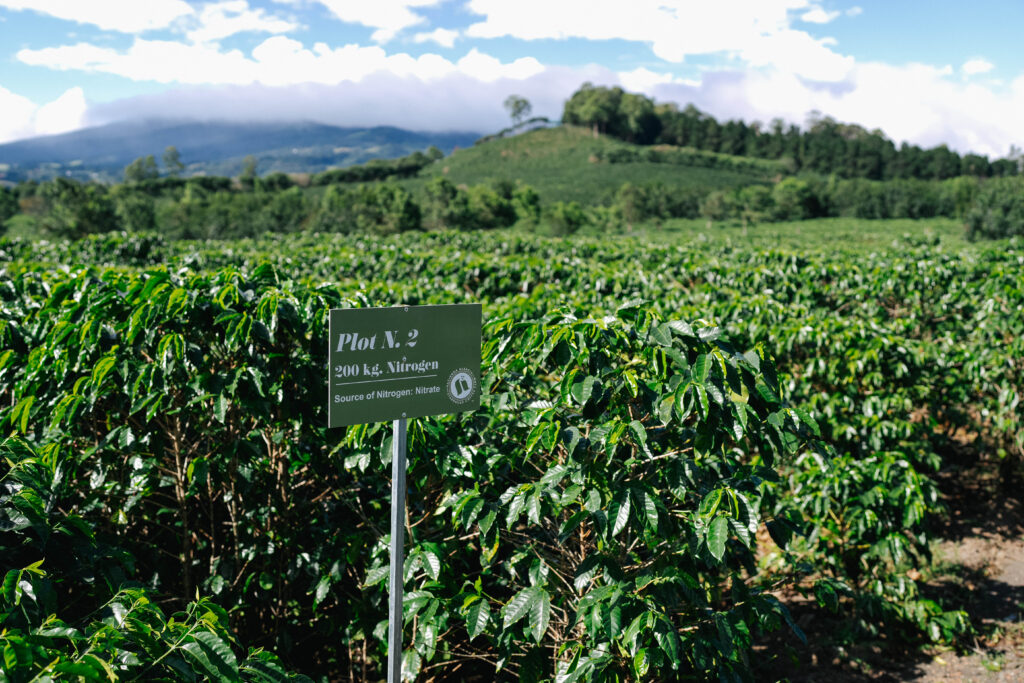
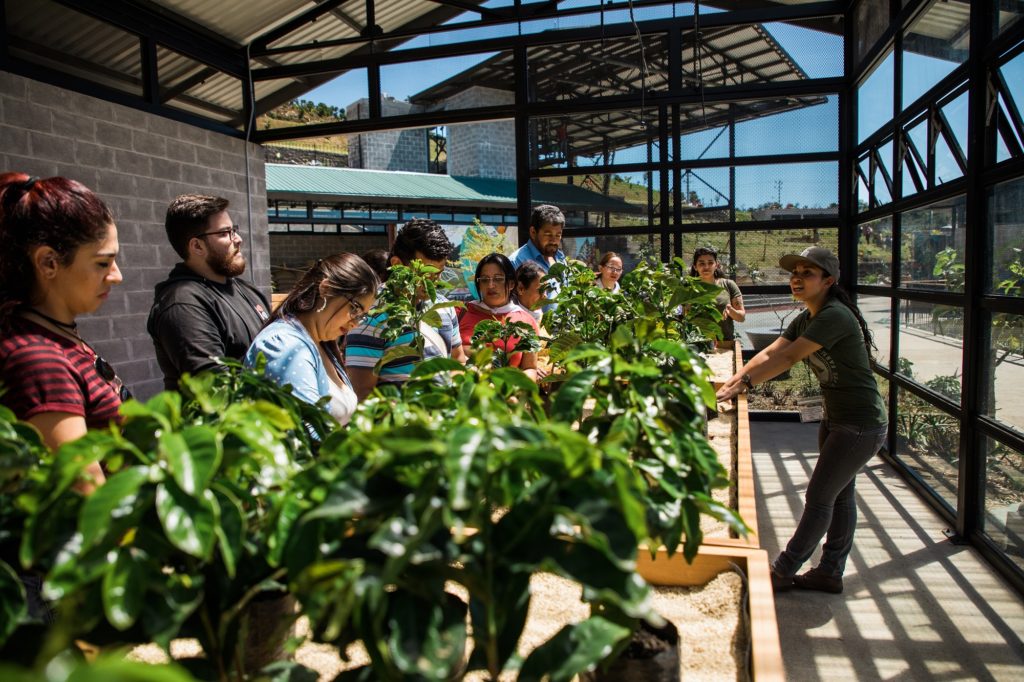
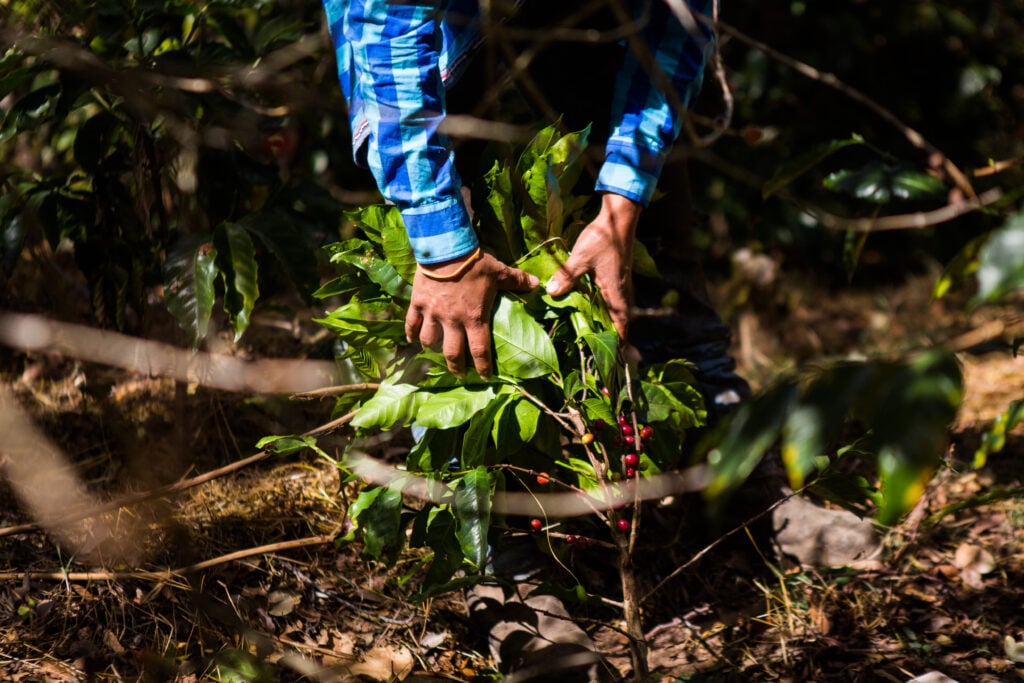
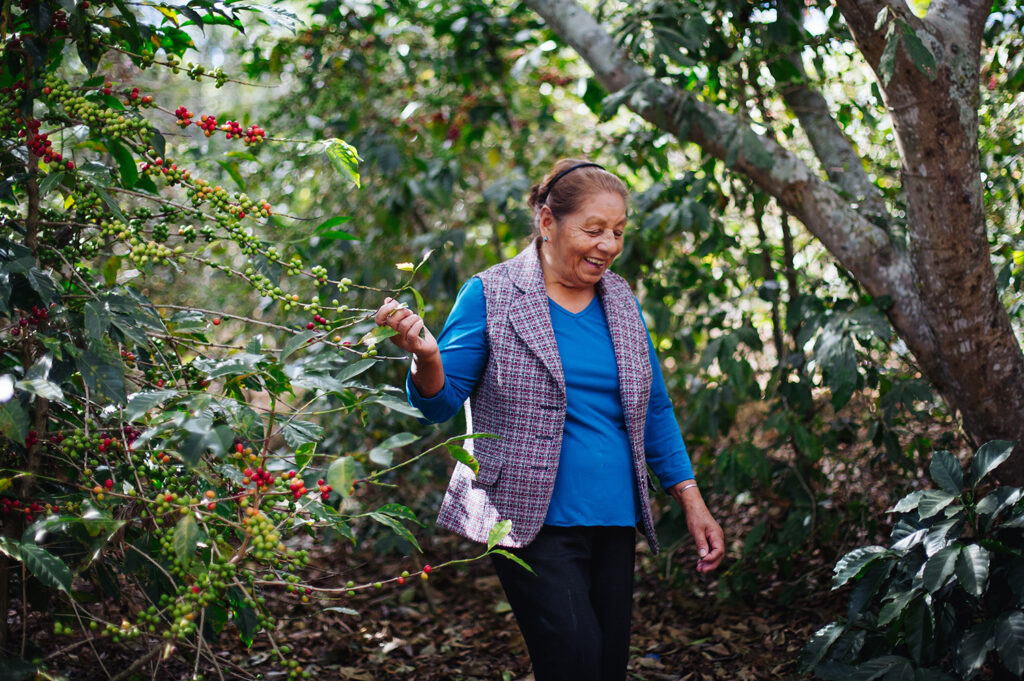
“We want the industry to thrive because everything is connected to coffee. You want a healthy, wealthy society where people support each other,” said Vega, who once himself harvested coffee in Costa Rica where he was born, as did his father before him. “When we are talking about coffee, we’re talking about people, traditions, culture. It goes beyond a crop.”
Racing against time
Vega is passionate about his work because he understands the sense of urgency, particularly for arabica coffee, which is more sensitive and harder to grow than the hardier, but less tasty, robusta. Starbucks only sells arabica coffee.
The primary enemies:
- Climate change, which is affecting weather patterns around the world, and has led to the increase of a fungal disease called rust, which can kill an entire crop of coffee trees. Some countries can lose 40 percent of their productivity from one year to another due to long periods of drought or, conversely, rain and flooding, during a time when it wouldn’t normally be raining, said Vega.
- Deterioration of soil due to overuse of chemicals, particularly pesticides and synthetic fertilizers. Between the 1960s and ‘70s, technological advancements, including highly productive seeds, synthetic fertilizers and pesticides helped farmers triple their yield, saving millions from starvation. But it also depleted the soil and reduced the resilience of the land, said Vega. As soon as 2050, 90% of the earth’s topsoil could be seriously degraded, unless something changes, according to a 2020 study.
- A reduction in crops, which could mean that the next generation might have to leave the family business to make a living, or that the farmers need to find new land and new soil, which might lead to cutting down existing forests.
But to say it is one thing. To see it in action is another. Vega, Rodriguez and other Starbucks colleagues have seen it firsthand. Luckily, they’ve also witnessed the solutions.
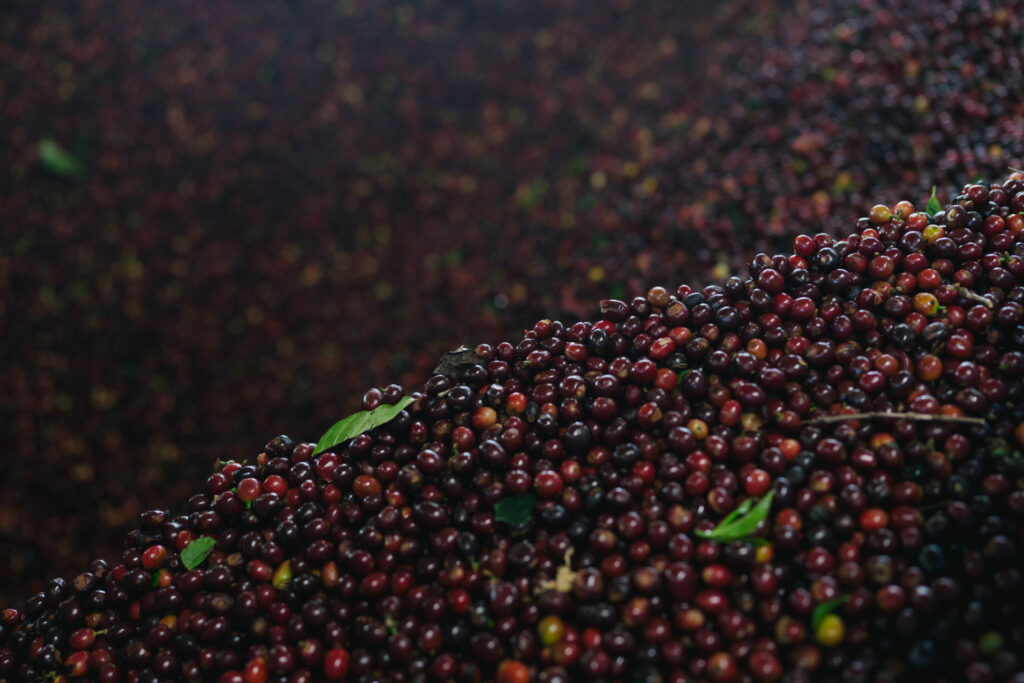

Ritesh Sharan, director of global Farmer Support Centers and Hacienda Alsacia, said he starts every morning standing on his porch, sipping a cup of coffee and thinking about the farmers who grew it. Sometimes he thinks about the community of 3,000 farmers in Uganda who turned their industry around.
While they’d grown coffee for years, they struggled to meet the standard for Starbucks high-quality arabica coffee. Sharan and his team worked with the farmers, provided new seedlings, gave them hundreds of bags of organic fertilizer to help rehabilitate the soil and taught updated farming and processing practices. Now their coffee is so successful it’s sold by Starbucks in the Latin America and the Caribbean region as the single origin Uganda Rwenzori coffee.
“There are so many stories like that,” Sharan said, proudly showing a bag of the single-origin coffee in a luscious pink bag featuring icons of Uganda, such as the Grey Crowned Crane.
Sharan also knows a third-generation coffee farmer in Columbia named Jose whose entire crop was decimated due to rust, a disease tied to climate change that is often deadly to a coffee tree. The agronomists were able to help him turn things around and now he shares his expertise with other farmers.
“Every cup of coffee has a tale,” Sharan said.
Guarding your coffee from tasting like potatoes
Farmer Support Centers around the world also work to solve challenges faced by specific communities, such as the potato taste defect, which affects some coffee in Rwanda. (Yes, it makes coffee taste like potatoes.) It’s caused by a tiny bug that chews a hole in a vulnerable coffee cherry and lets bacteria in. Agronomists help farmers defend against it through specific pruning techniques and pest management.

Sharan also knows a community in Indonesia that was able to switch their primary crop from marijuana, which is illegal there, to coffee, after they were given free coffee seeds and training on how to successfully grow coffee in that area. Now they can support their families without fear of arrest.
The next 100 years and beyond
Back in Seattle, Wolford, the coffee taster and blend developer, said that while her team may be one of the final stops for coffee before it goes to customers, she often thinks of the “first 10 feet” of the journey of coffee – the farmers who grew it. Wolford said when she started her career at Starbucks as a barista serving coffee decades ago, she didn’t think too much at first about where it came from. Then she became a coffee roaster, before moving to her current role. Today, she sees coffee as far more than just a great drink in a cup.
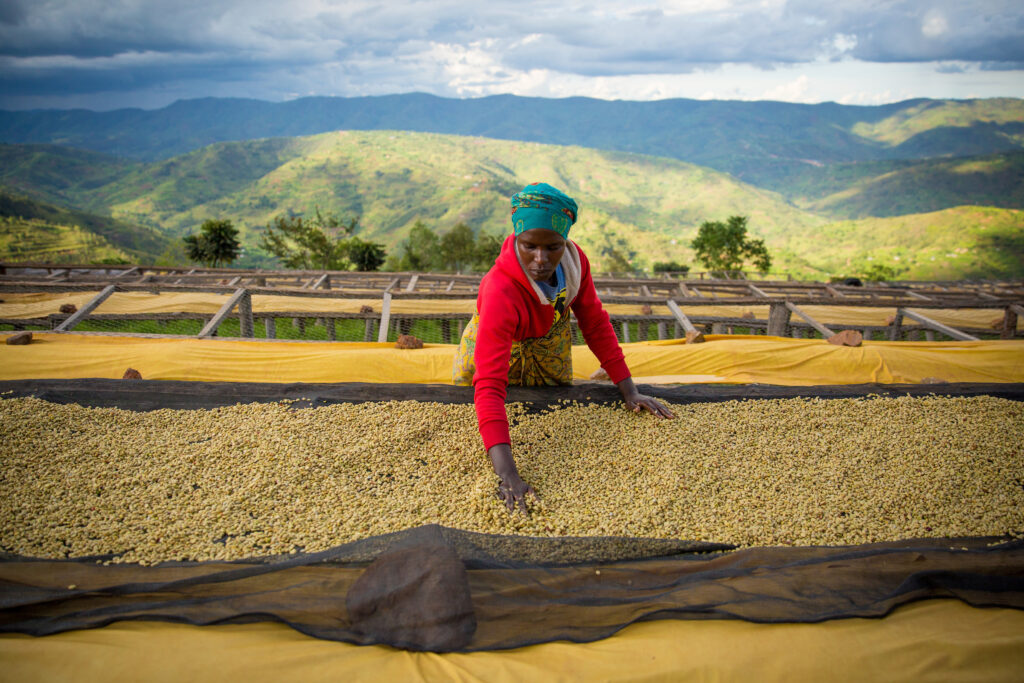
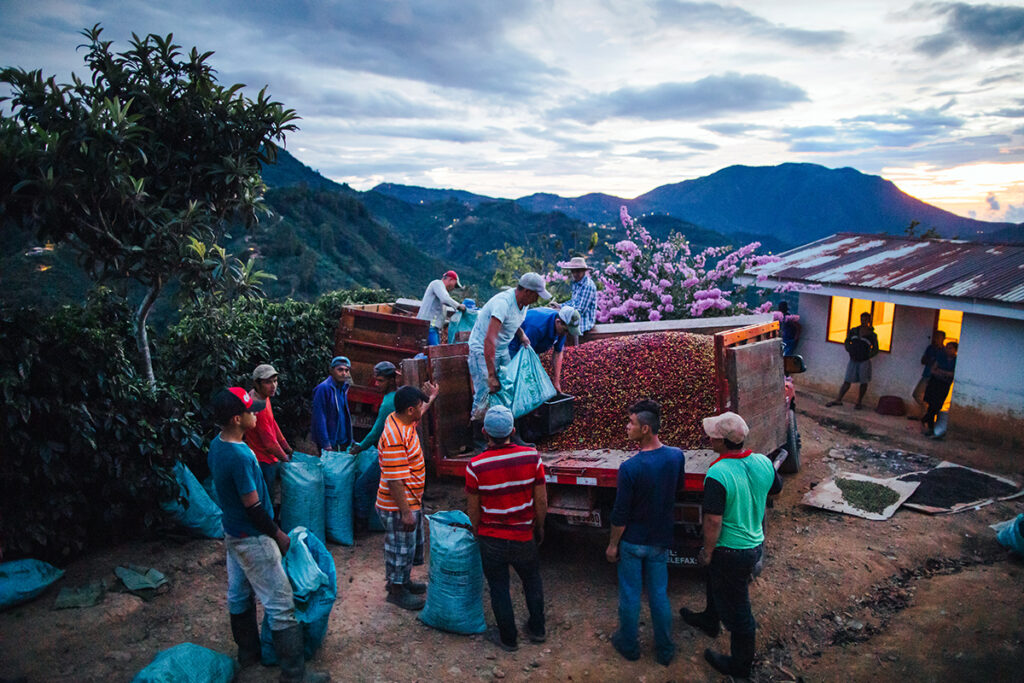

“It’s a labor of love for someone who is a farmer. … It’s giving back to their own communities and creating this legacy of sustainability, not just with their families but in their communities.”
That’s true on both a large scale, such as the community of 3,000 farmers in Uganda, or the single farmer, who followed the agronomist Rodriquez asking for coffee seeds.
For that farmer, those seeds were transformative. His own coffee farm had been decimated due to rust but after Rodriquez gave him 6,000 disease-resistant seeds his farm tripled its production of coffee. “His entire life changed because of the productivity and being able to keep supporting his family,” Rodriguez said.
That’s exactly what drives him and others to do the work they do.
“We have to think about how we keep farm[s] productive, not just for the next five years, but for the next 100,” Vega said. “And that’s what we are doing.”
Did you know?
- Starbucks also helps support farmers through the Starbucks Global Farmers Fund, which provides loans to farmers who might not be able to get them from a bank.
- The Starbucks Foundation has a commitment to positively impact 1 million women and girls in communities where coffee and tea is grown.
- Farmers who sell coffee to Starbucks adhere to C.A.F.E. (Coffee and Farmer Equity) Practices program, to help improve quality, sustainability and resilience. For more than two decades, Starbucks has worked with third parties including Conservation International to develop and continuously improve C.A.F.E. Practices standards.