Freshly brewed coffee on demand: How the innovative Clover Vertica is changing Starbucks coffeehouses
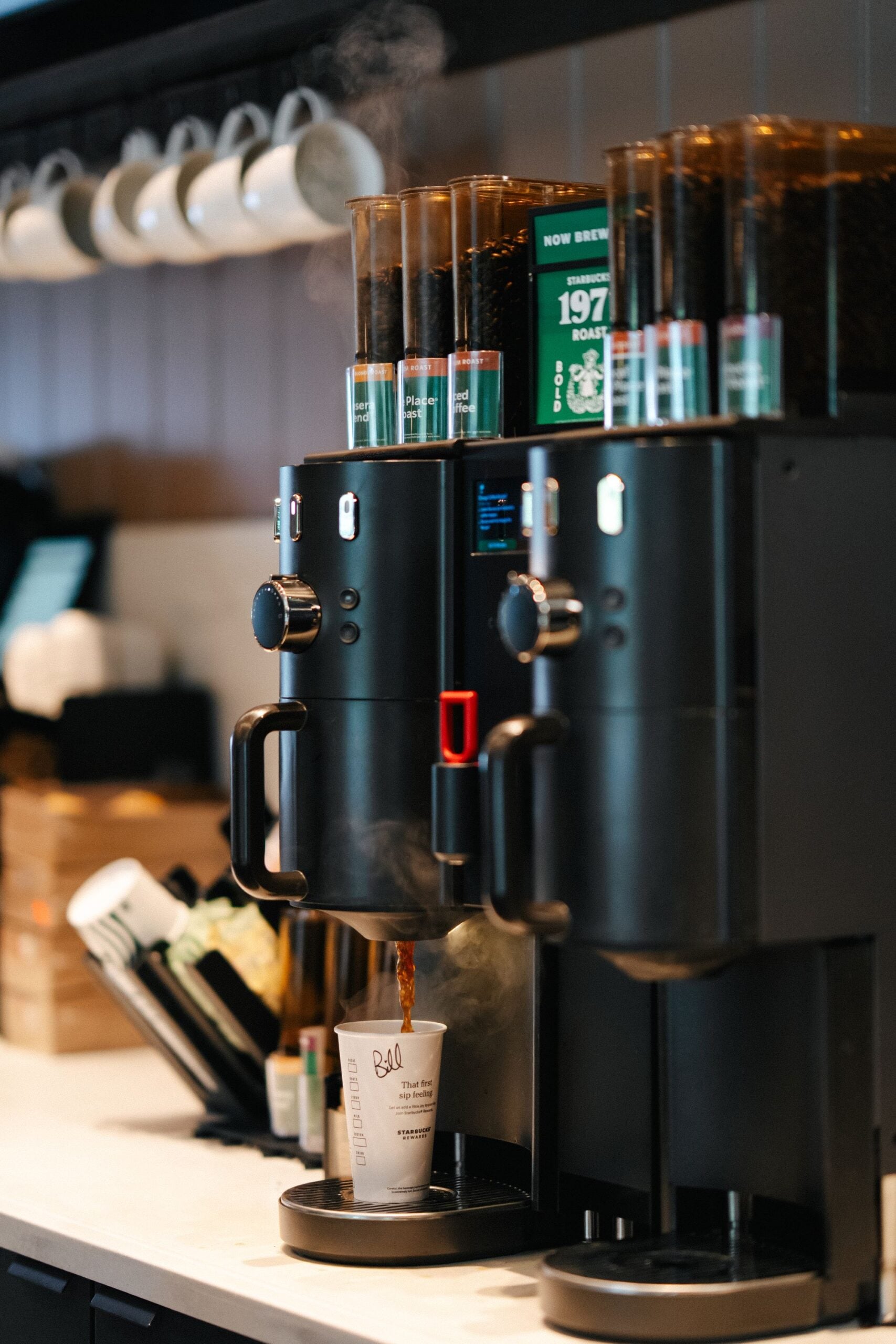
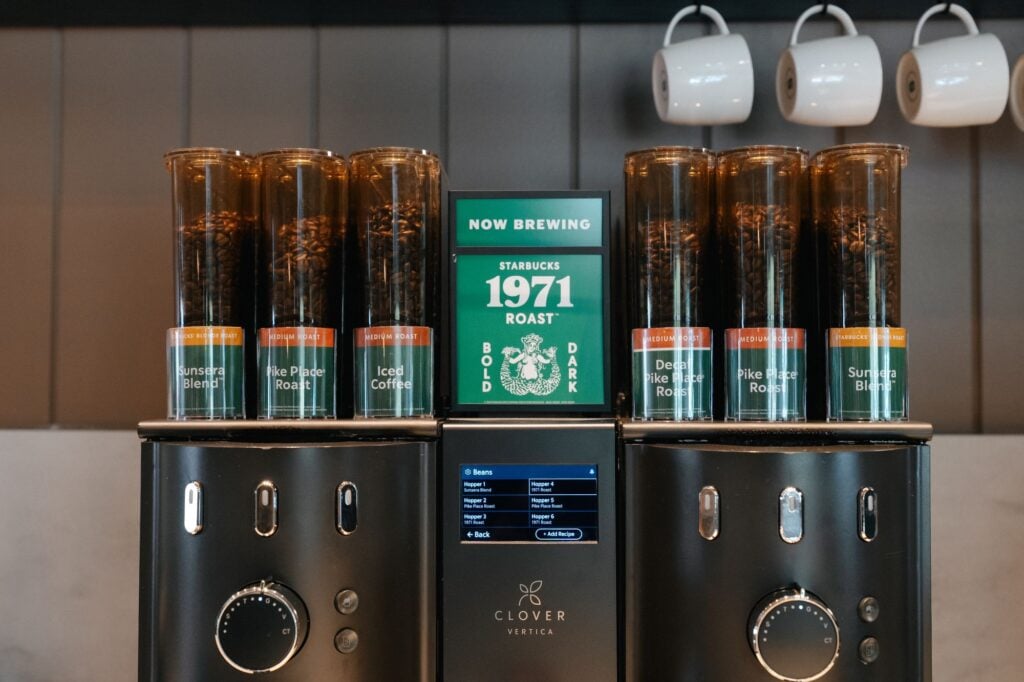
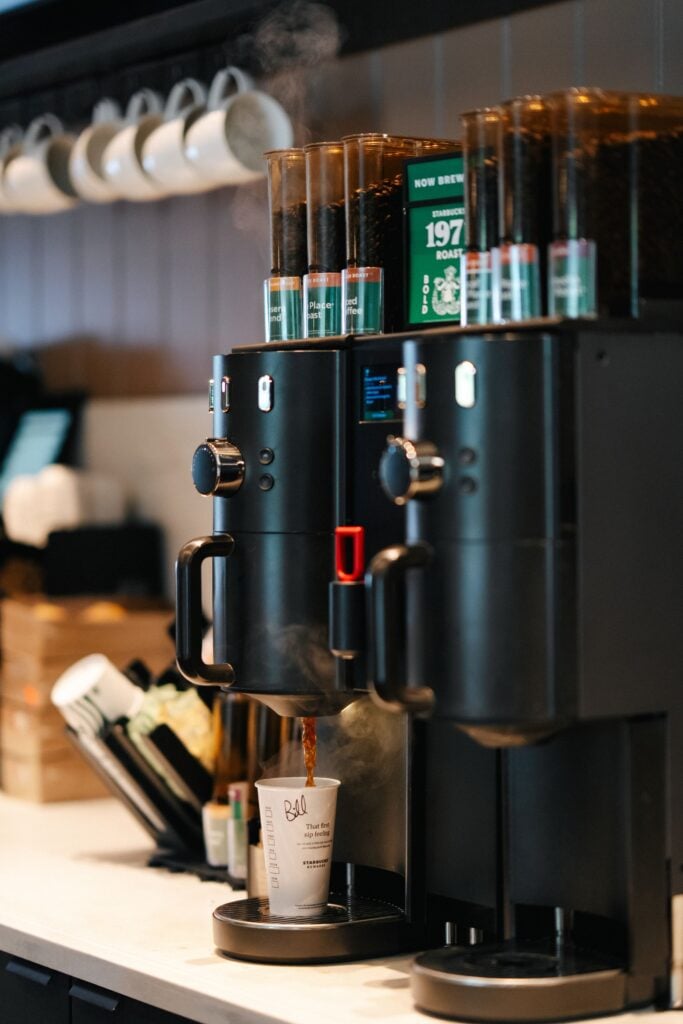
It’s quietly transforming the brewing experience at company-owned Starbucks coffeehouses across the U.S., giving customers French press-quality coffee on-demand, with six coffees to choose from and a freshly made cup in 30 seconds or less.
For decades, Greg Hunter has started his day with a cup of freshly brewed coffee.
He’s been a daily Starbucks regular since the 1990s, when his ritual got its start.
“I love that fresh brewed cup of coffee in the morning to get me going,” Hunter said. “Having it brewed right before I drink it is one of the main reasons why I come in, it’s hotter and fresher.”
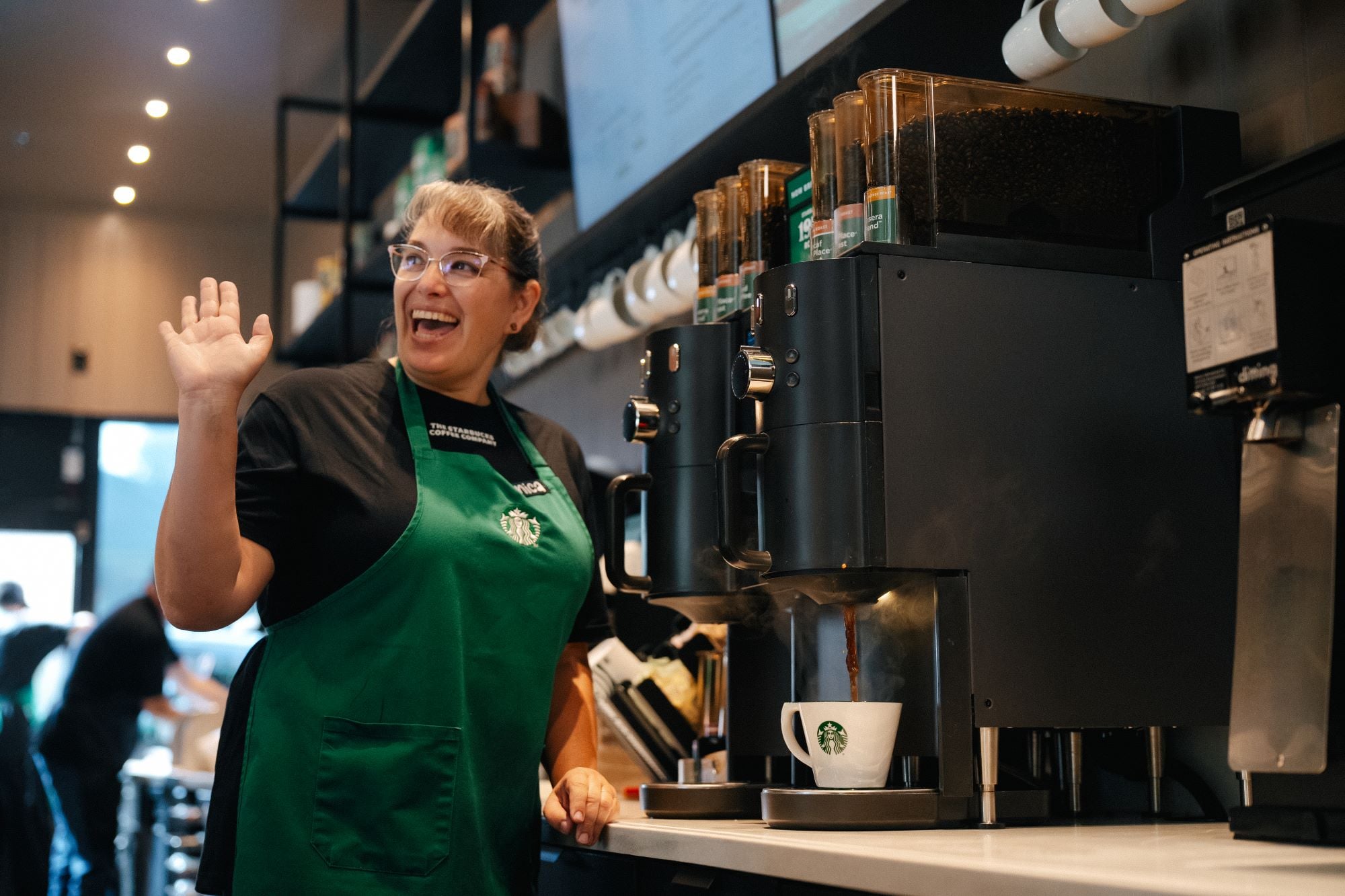
Clover Vertica, the first coffee brewer designed entirely in-house at Starbucks, has changed his morning routine for the better. Hunter no longer has to wait for a fresh pot to brew. He can choose from six varieties and 30 seconds later, receive a steaming cup of French press-quality brewed coffee.
In the past partners (employees) needed to batch brew coffee, and Hunter remembers coming into the coffeehouse during those periods waiting for the coffee to be ready to serve.
Clover Vertica represents the company’s decades’ long obsession with finding the best way to brew a fresh, delicious cup of French-press quality coffee that meets customers where they are, whether they’re grabbing their favorite roast to go or settling into a comfortable chair with a ceramic mug (and free refills).
It was also designed to simplify the brewing experience, to reduce waste including filters and to let Starbucks partners serve a variety of coffees all throughout the day but without having to keep track of when a pot of coffee was brewed.
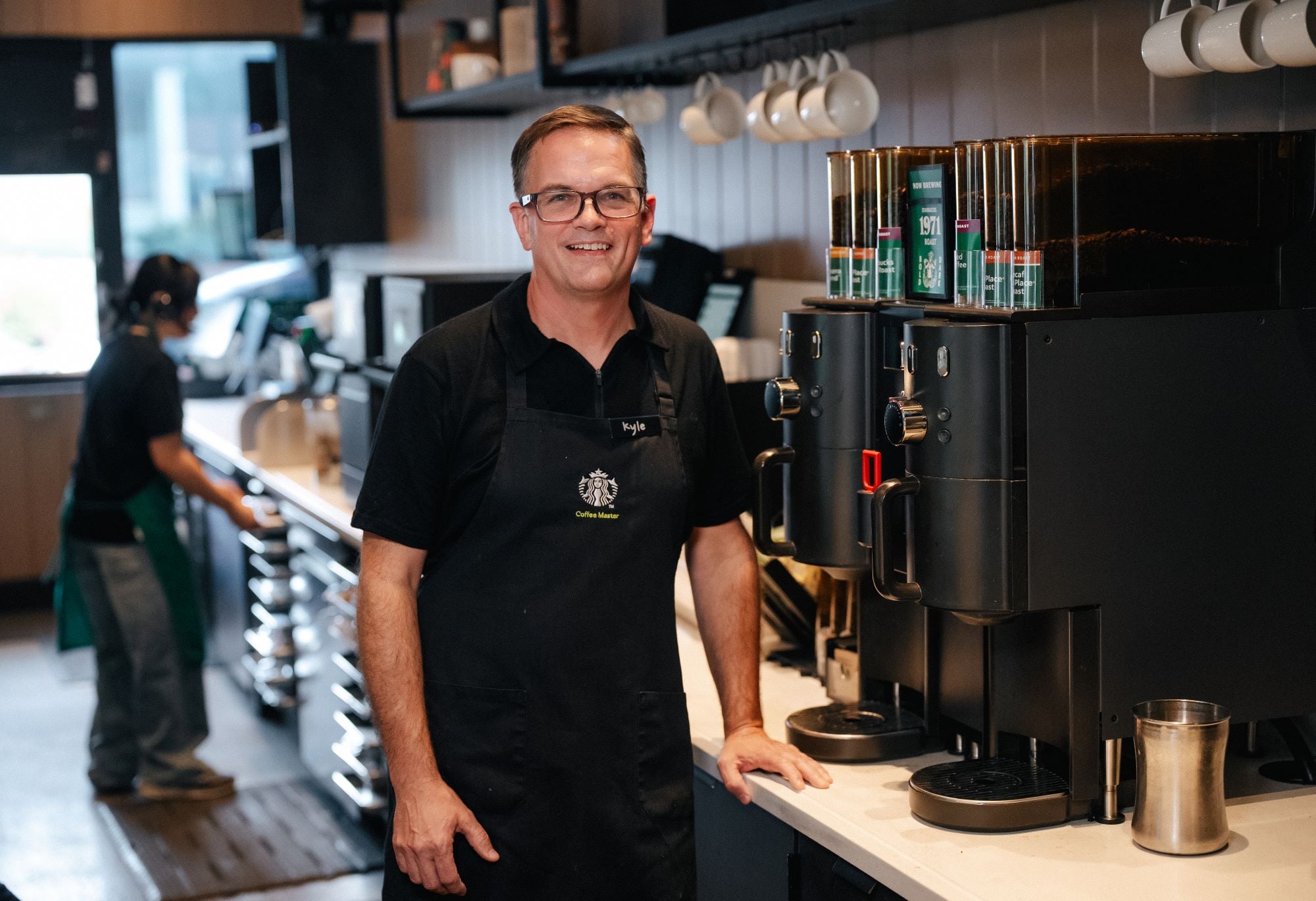
Customers have been enjoying the flavor and variety of the coffee we can offer with the Clover Vertica,” Kyle said.
Kyle G., an almost 29-year partner and coffeehouse leader in the Pacific Northwest, has experienced many evolutions of brewing methods in his time with Starbucks. With Clover Vertica, he and his partners can deliver a freshly brewed cup of light, medium, dark roast or decaf, but without the need to closely monitor brew cycles, which frees them up to spend more time connecting with customers.
“Customers have been enjoying the flavor and variety of the coffee we can offer with the Clover Vertica,” Kyle said. “It’s allowed us to spend more time being customer-facing”
Starbucks began introducing Clover Vertica to coffeehouses in 2022, and is now available in more than 90% of Starbucks company-operated coffeehouses across the U.S.
But the machine now found on cafe counters did not take shape overnight. It represents years of experimentation, problem-solving and learning.
How does Clover Vertica brew on demand?
The development of Clover Vertica traces back to 2008, when Starbucks acquired the Seattle-based Coffee Equipment Company and its Clover brewing technology.
The original Clover brewer used a vacuum-press method to brew coffee one cup at a time. Starbucks teams saw an opportunity to carry that approach forward while developing a brewer that could meet the pace, volume and complexity of a modern coffeehouse.
Their challenge was to solve several needs at once: giving customers freshness, quality, variety, speed, consistency while also reducing waste and simplifying the brewing experience for partners.
“We wanted to do something that was closer to a French press as far as coffee quality,” said Joe Gormley, one of the engineers on the Clover Vertica project. “We wanted fresh coffee, brewed on demand.”
Brewing on demand also presented an opportunity to make sure every coffee bean was put to delicious use.
“Look at all the farmers who picked the beans and all the work that went into getting that coffee bean into your store so that you could put it into a cup of coffee,” Gormley said.
The path from the original Clover technology to Clover Vertica went through a long journey. Teams developed and tested several versions, learning from designs that demonstrated the potential of the brewing method but could not yet meet the demands of a busy Starbucks coffeehouse.
One earlier version could brew only a few cups before it needed to heat back up.
“If you could only brew two or three cups of coffee, you’re not getting through a busy morning,” Gormley said. “We needed to come up with something different.”
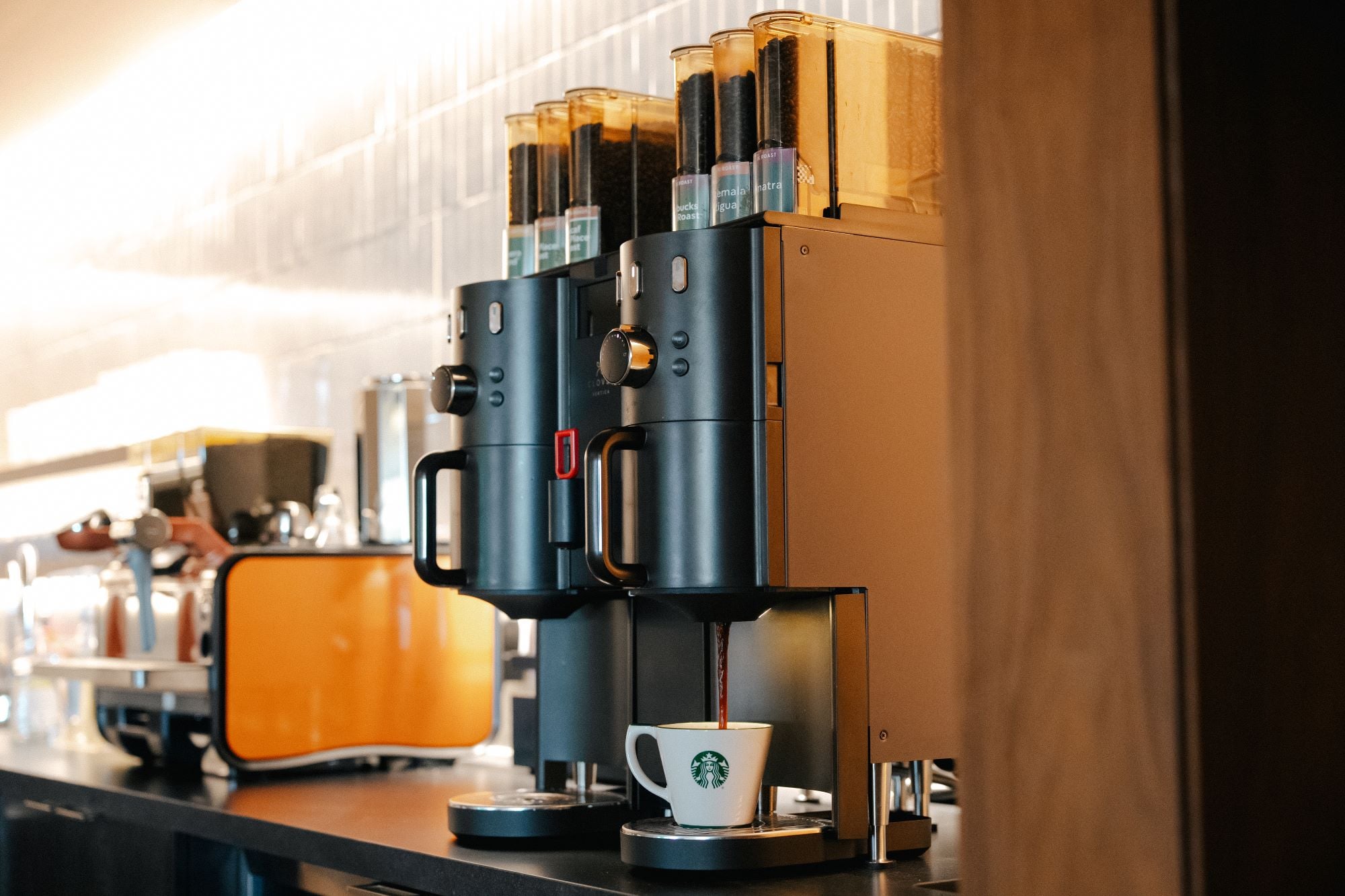
The team eventually started again from the ground up, reconsidering the brewer’s performance, size, and serviceability. One of the most important choices was to create a modular design. Clover Vertica has two brewing towers that can operate independently.
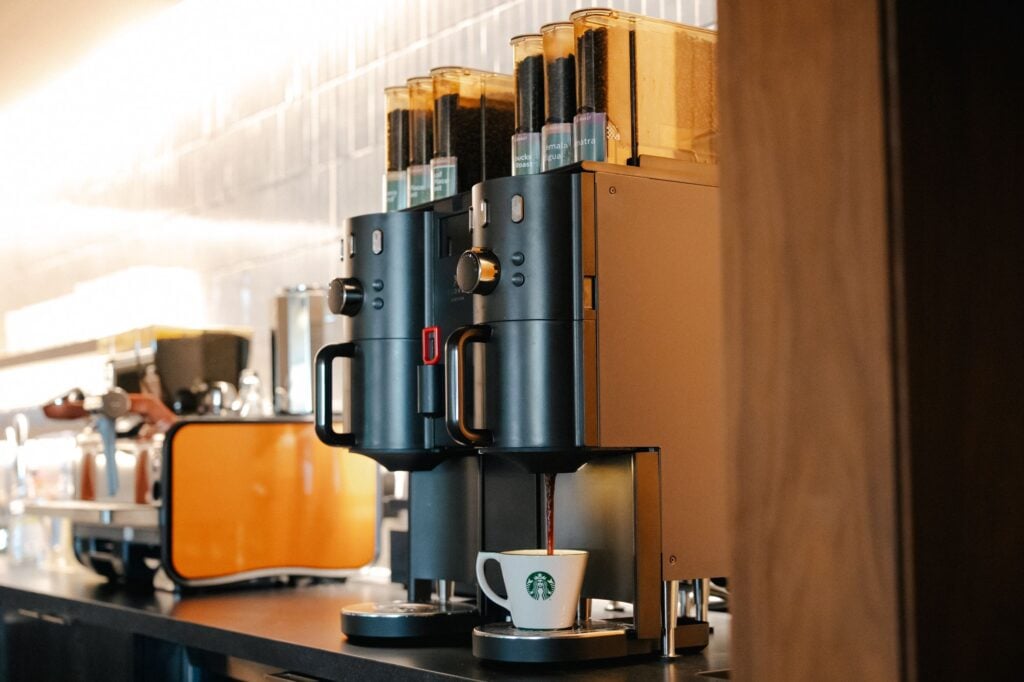
“One of the reasons for that was serviceability,” Gormley said. “The idea is that if I need to work on one coffee tower, I can disconnect it and still run the other.”
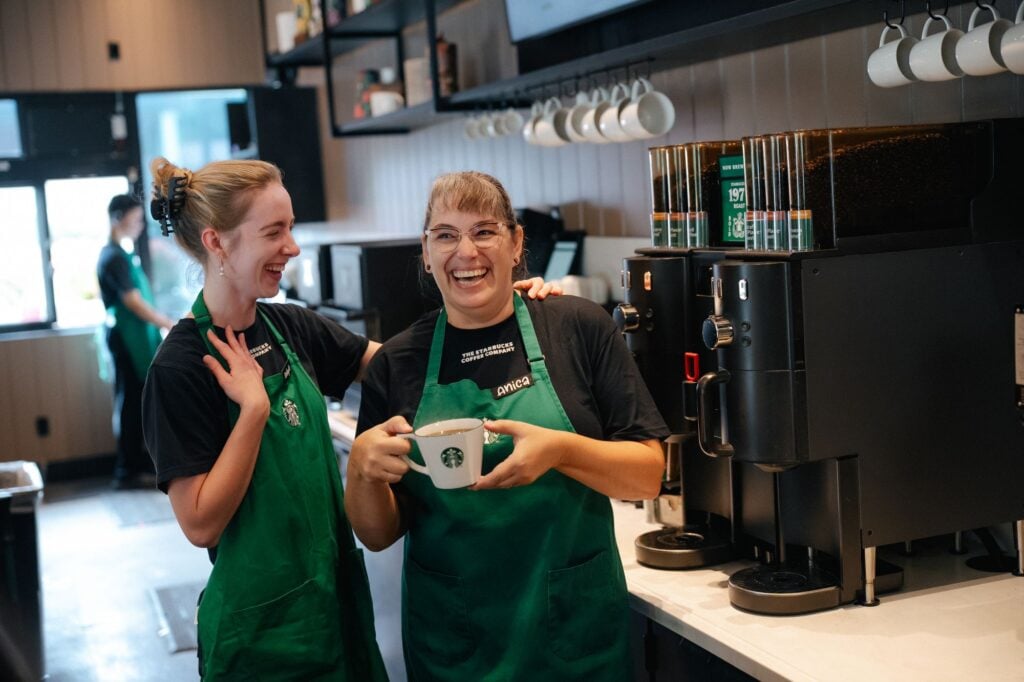
The team also thought about how Clover Vertica fits into the experience of walking into one of our coffeehouses. The sights, sounds and smells of coffee brewing are an essential backdrop of the coffeehouse experience, and it was important that customers could still hear the beans grinding, smell watch the machine move through its process and see the steam rising from their freshly brewed cup.
Developing the final design required input from partners across engineering, coffee, operations, industrial design and equipment service. Coffee experts evaluated what Clover Vertica brewed. Operations partners considered cleaning and workflow. Service teams helped the engineers understand how the equipment would be maintained over time.
“Everything at Starbucks is collaborative,” Gormley said. “Nothing gets produced by one person.”
The history of coffee brewing at Starbucks
Coffee brewing equipment at Starbucks has continued to evolve alongside the company’s coffeehouses. Each generation addressed the latest innovation at the time, all designed to brew the best cup of coffee possible while also improving things heating coffee more consistently and adding more safety features.
Few partners have seen more of that evolution than Jeff Watson, manager of distribution operations in Starbucks Facilities Inventory and a partner for 31 years. Watson and his team support the distribution of repair and maintenance parts for brewing, grinding and other coffeehouse equipment across North America. He has also preserved a collection of historic Starbucks brewing and espresso equipment, creating a physical record of how coffee preparation has changed across the company.
“When I started in 1995, we had the American Metal Ware P-400,” Watson recalled. “And then the BUNN Digital Brewer, and now the Clover Vertica.”
Watson first saw what would become Clover Vertica in 2010. It was much larger than the brewer that’s now installed in coffeehouses and demonstrated just how much development that was still ahead.
“I liked that we were trying things, but I knew we had a long way to go,” Watson said.
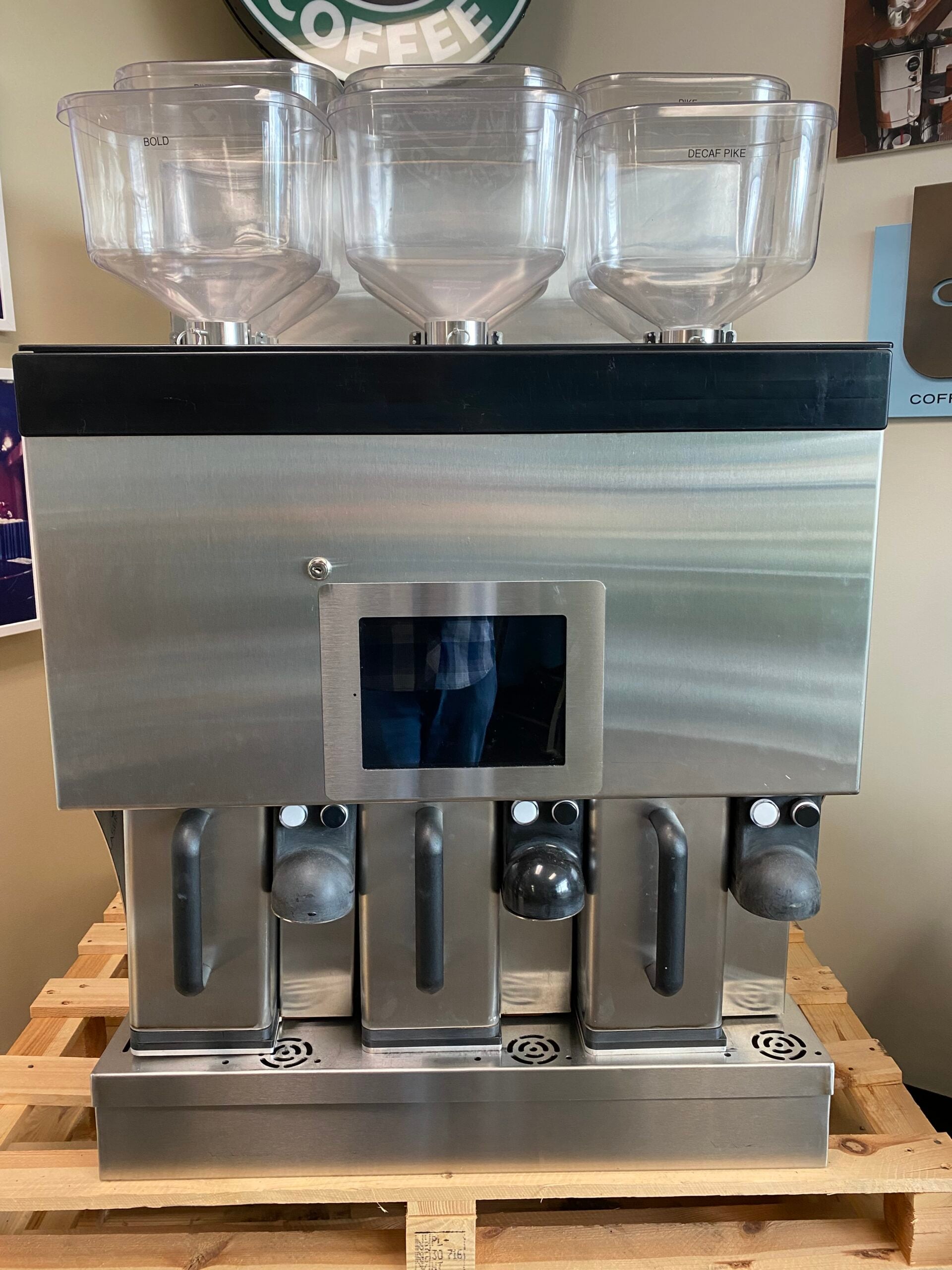
A later prototype changed his perspective. It showed that the underlying technology could work while also becoming an equipment experience that belonged in a Starbucks coffeehouse.
“Once I saw that, I had confidence that we could figure it out mechanically and technology-wise and make it look beautiful,” Watson said. “Eventually, we were going to have something that nobody else had, and it was going to be a game changer for us.”
Starbucks coffee brewers since 1995
American Metal Ware P-400
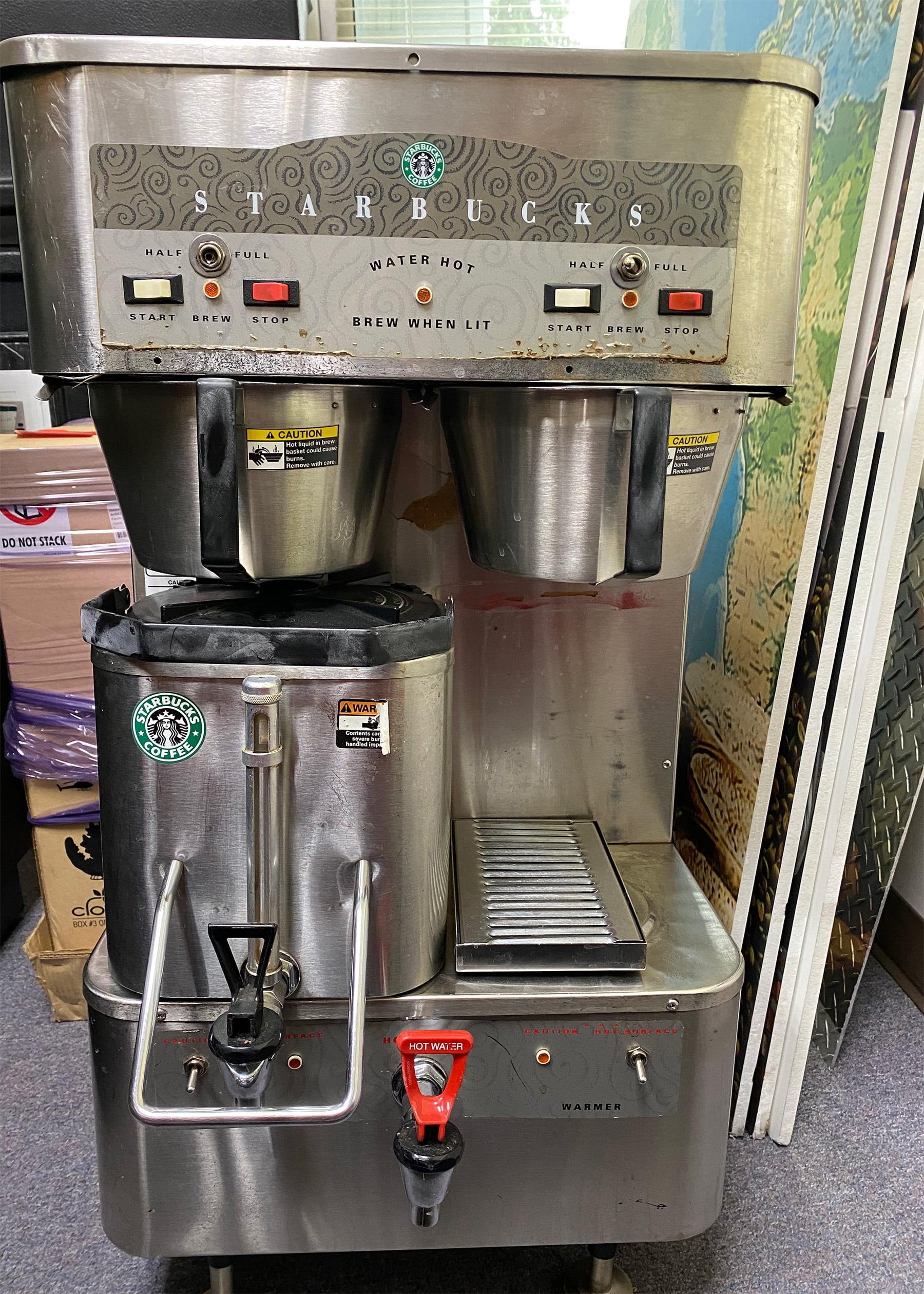
The American Metal Ware brewer had an electric hot plate that the coffee urn would sit on. Toward the end of the hold time, the coffee didn’t have the same freshness because there was a very hot, localized spot on the bottom of the urn.
BUNN Digital Brewer
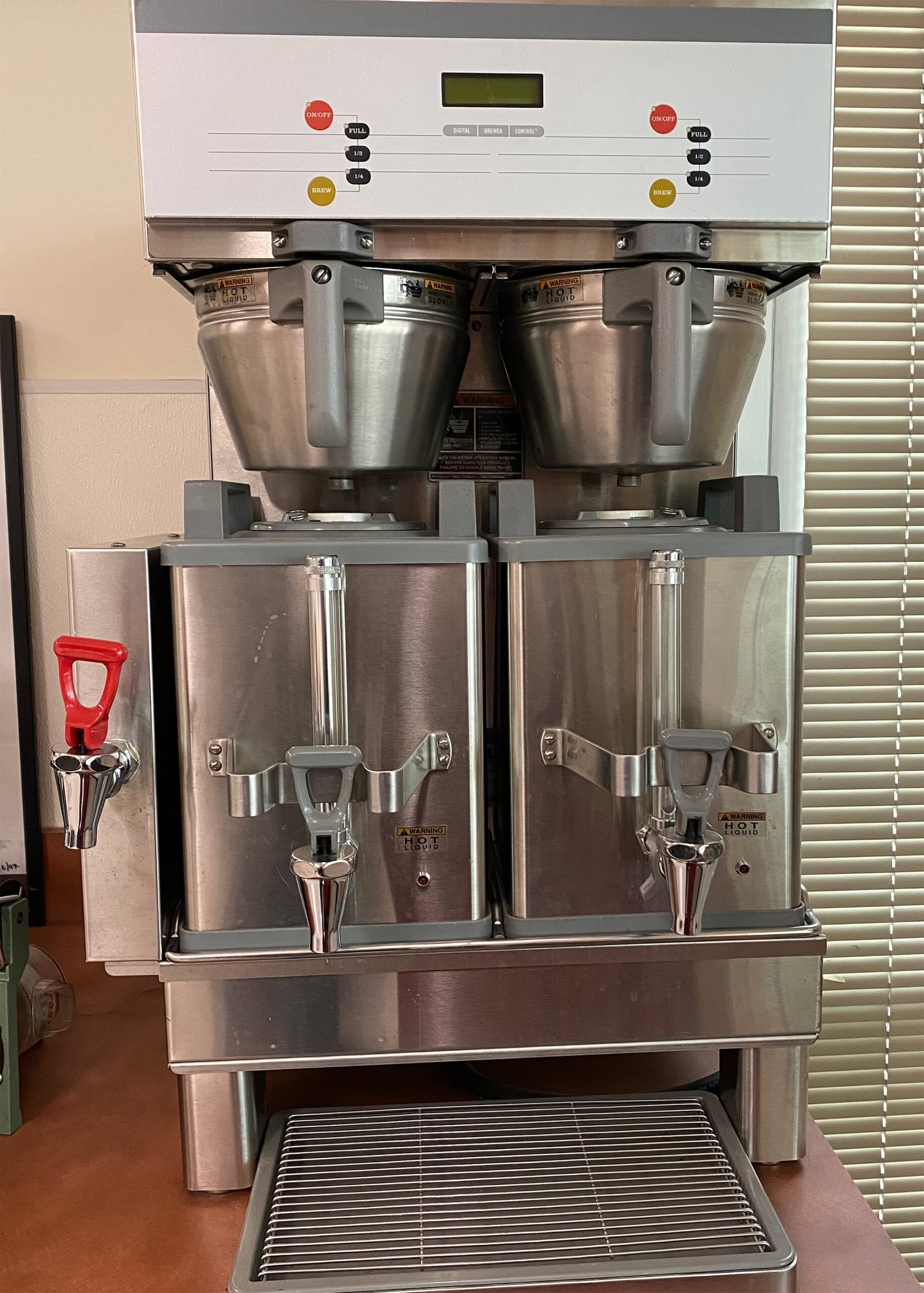
The BUNN Digital Brewer had an internal electric heating blanket inside the urn, so there were no hot surfaces where a barista could get burned. Also, it was designed so that during the brewing process, baristas couldn’t accidentally pull out the funnel, which contained the coffee grounds.
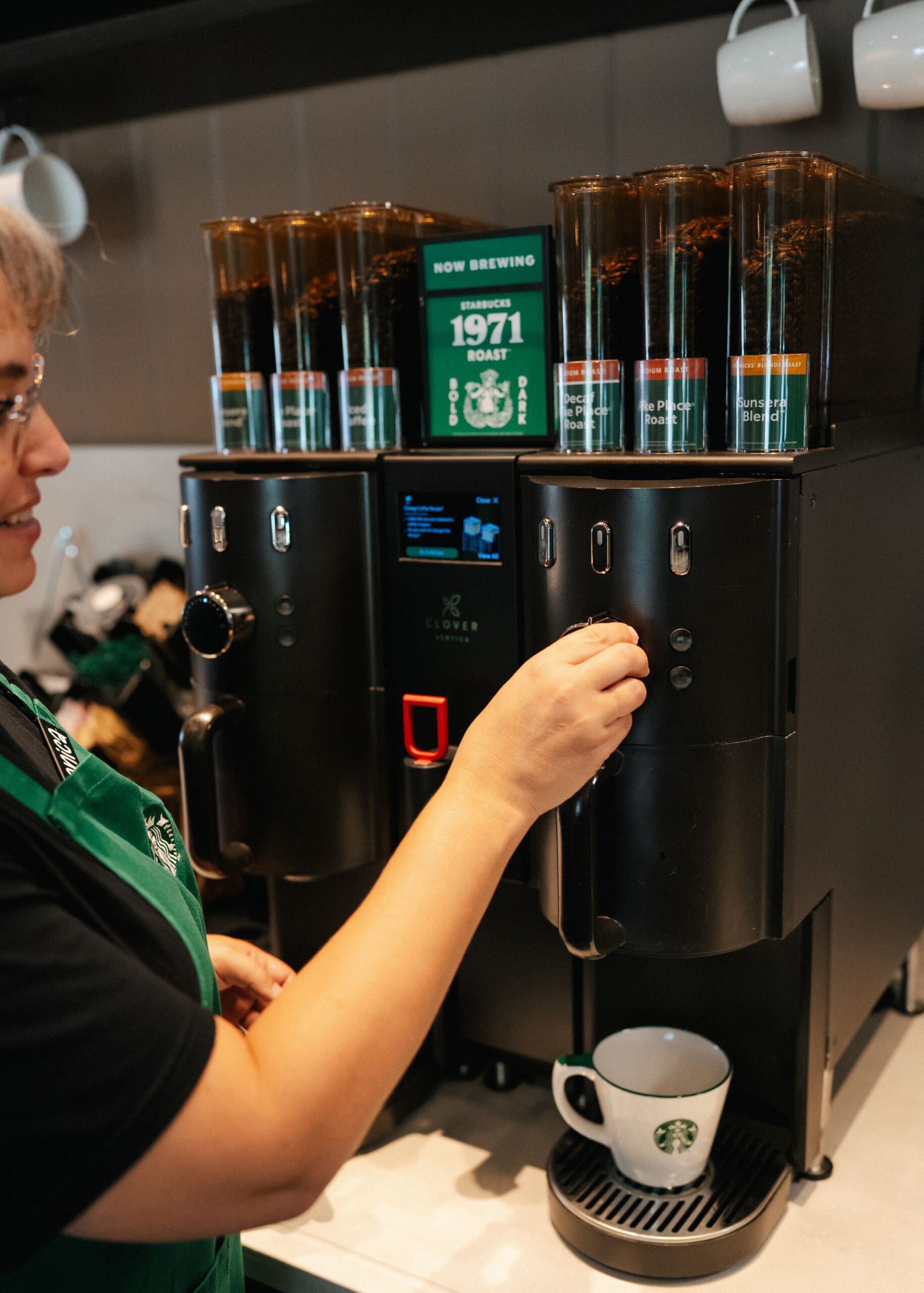
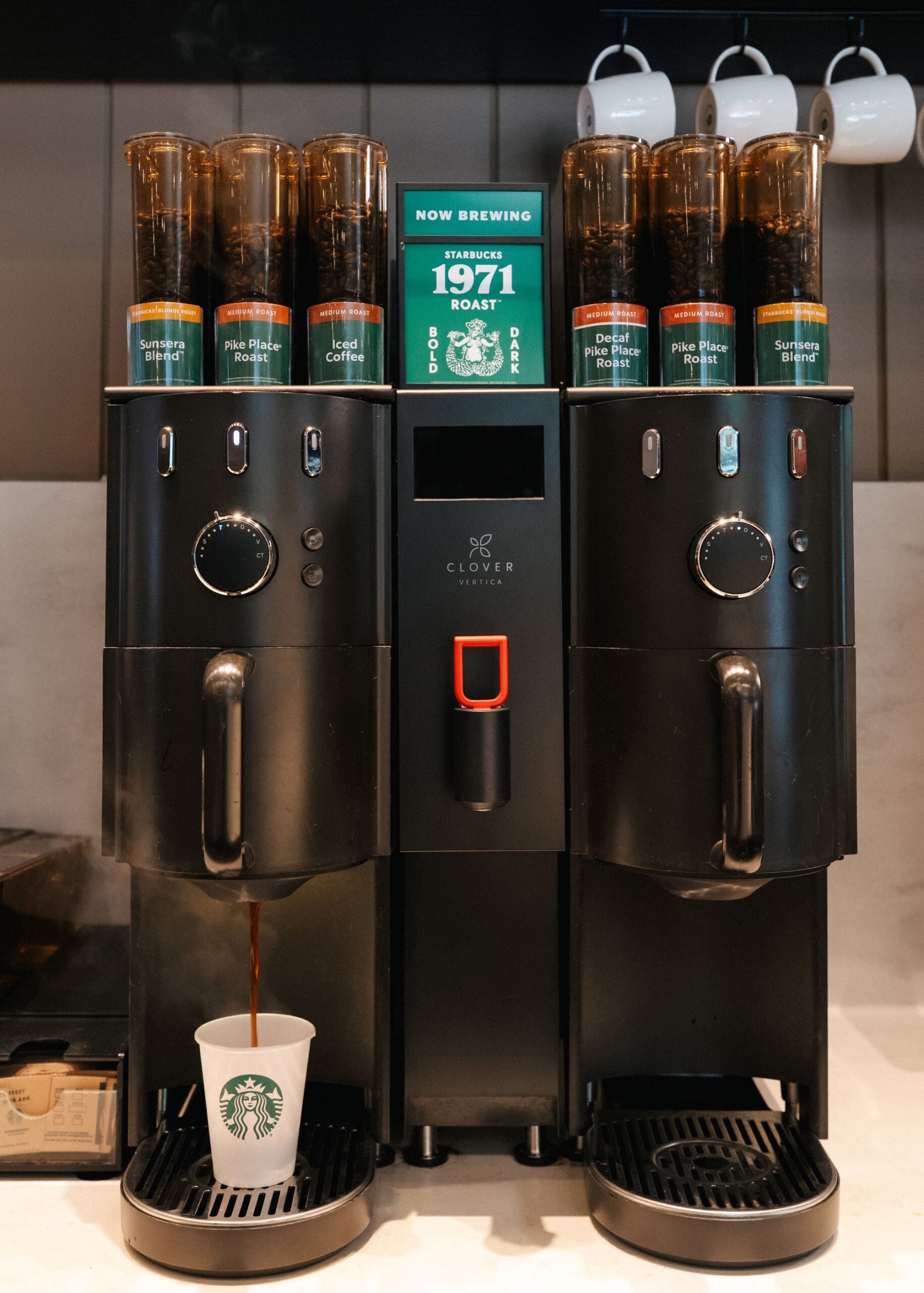
Clover Vertica
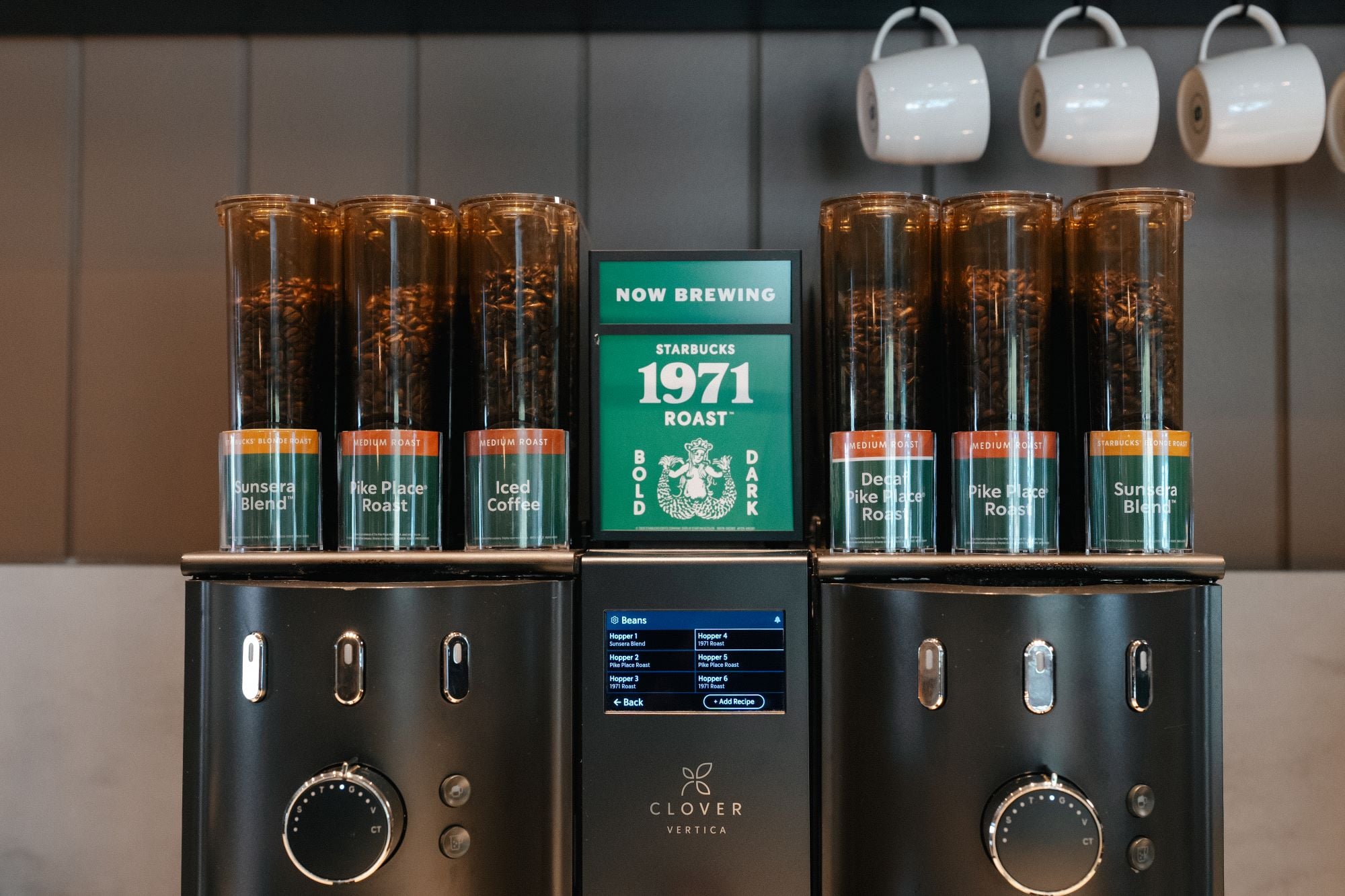
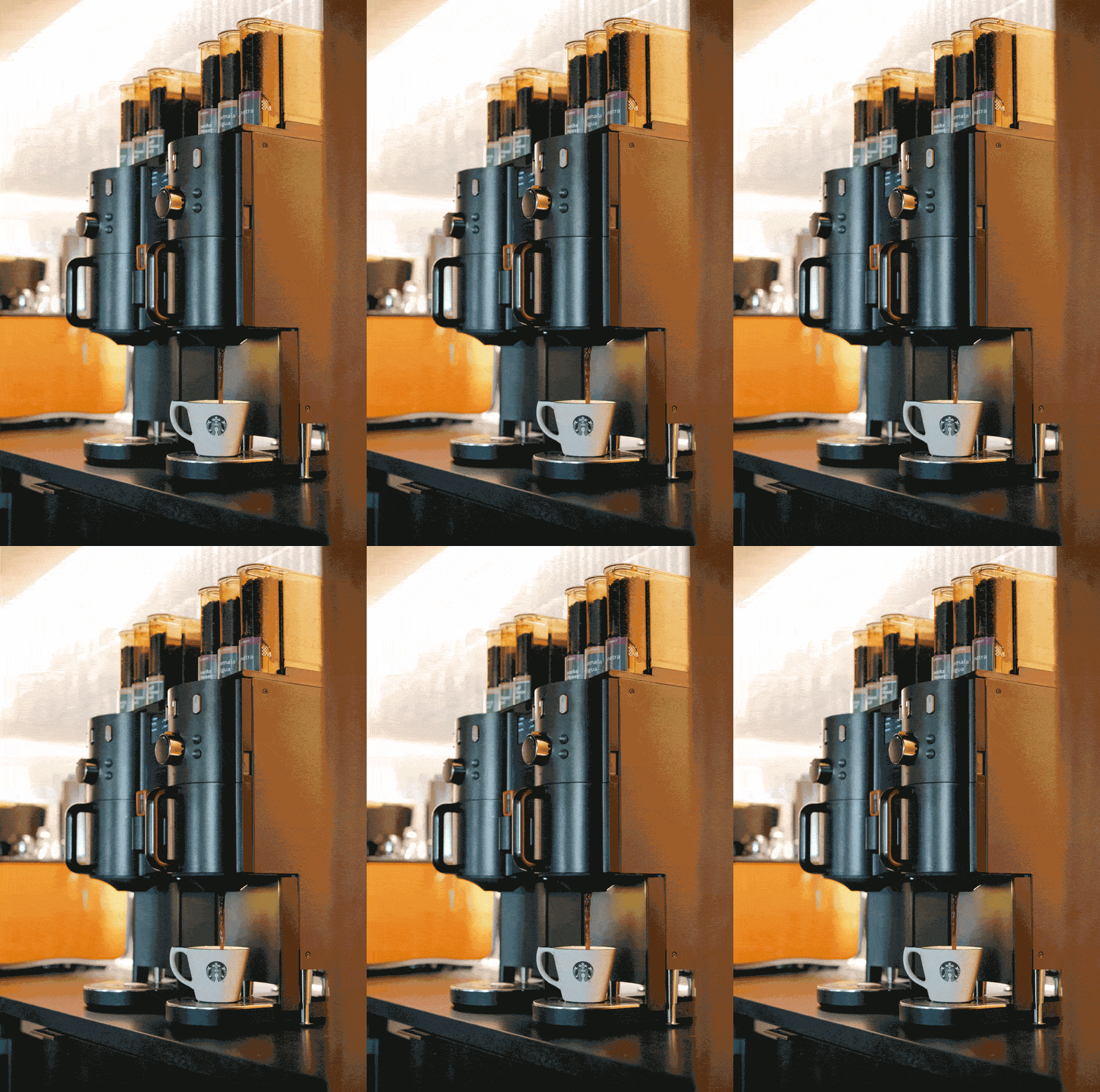
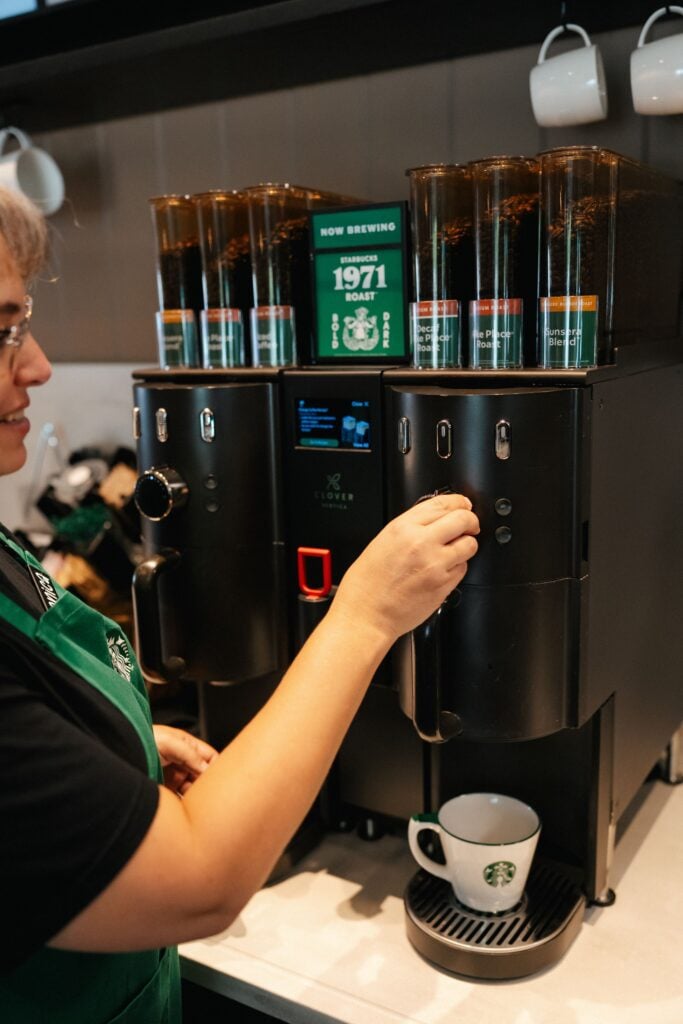
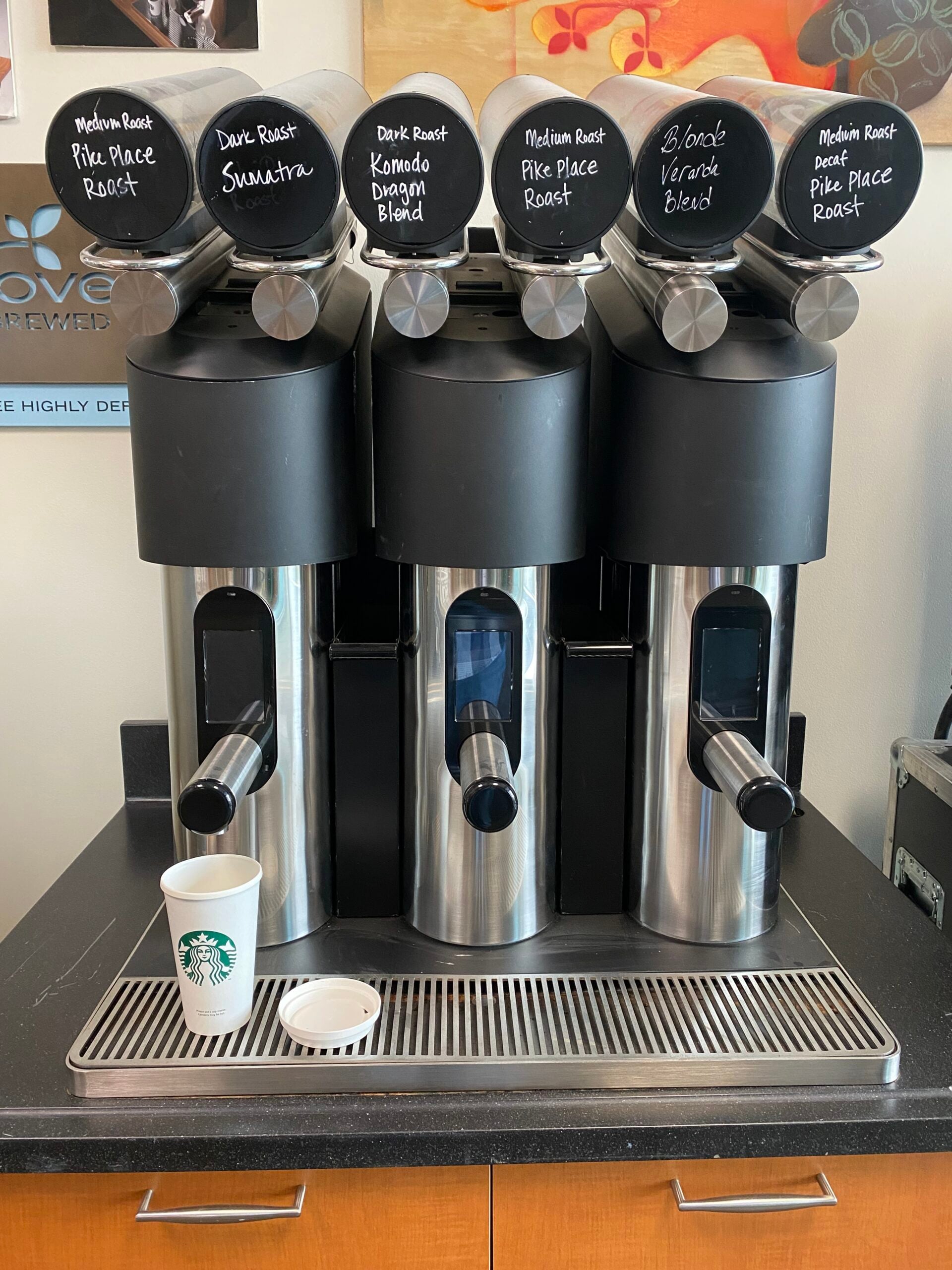
The Clover Vertica features six hoppers for different coffee beans and roasts, and can brew a single cup on demand.
‘What other machine can do that?’
For Groom, the Clover Vertica is what the future of coffee looks like at Starbucks, where we are constantly innovating and always thinking about making the experience better for both customers and partners.
“Anything to make it easier for the partner, so they can focus on the customer more is huge,” said Groom.
It also demonstrates that technology and coffee craft do not have to be at odds with one another. For Watson, Clover Vertica adds to the coffee experience because customers can see a whole bean become a freshly brewed cup moments after placing their order.
“It instills that we are a coffee-forward company by treating these coffee beans so preciously and making them freshly brewed,” Watson said.
The timers that once marked every brewing cycle may be gone, but the goal behind them remains, to brew a fresh and high-quality cup of coffee.
“I’m handing it to you, and 30 seconds ago this was a whole bean in the hopper,” Watson said. “What other machine can do that?”