Inside Starbucks Chicago café makeover: Softer seating, local design invite customers to stay
Newly uplifted Starbucks coffeehouses across Chicago and other markets in the U.S. feel warmer, more welcoming and rooted in their communities, turning quick stops into places to gather, work and linger.
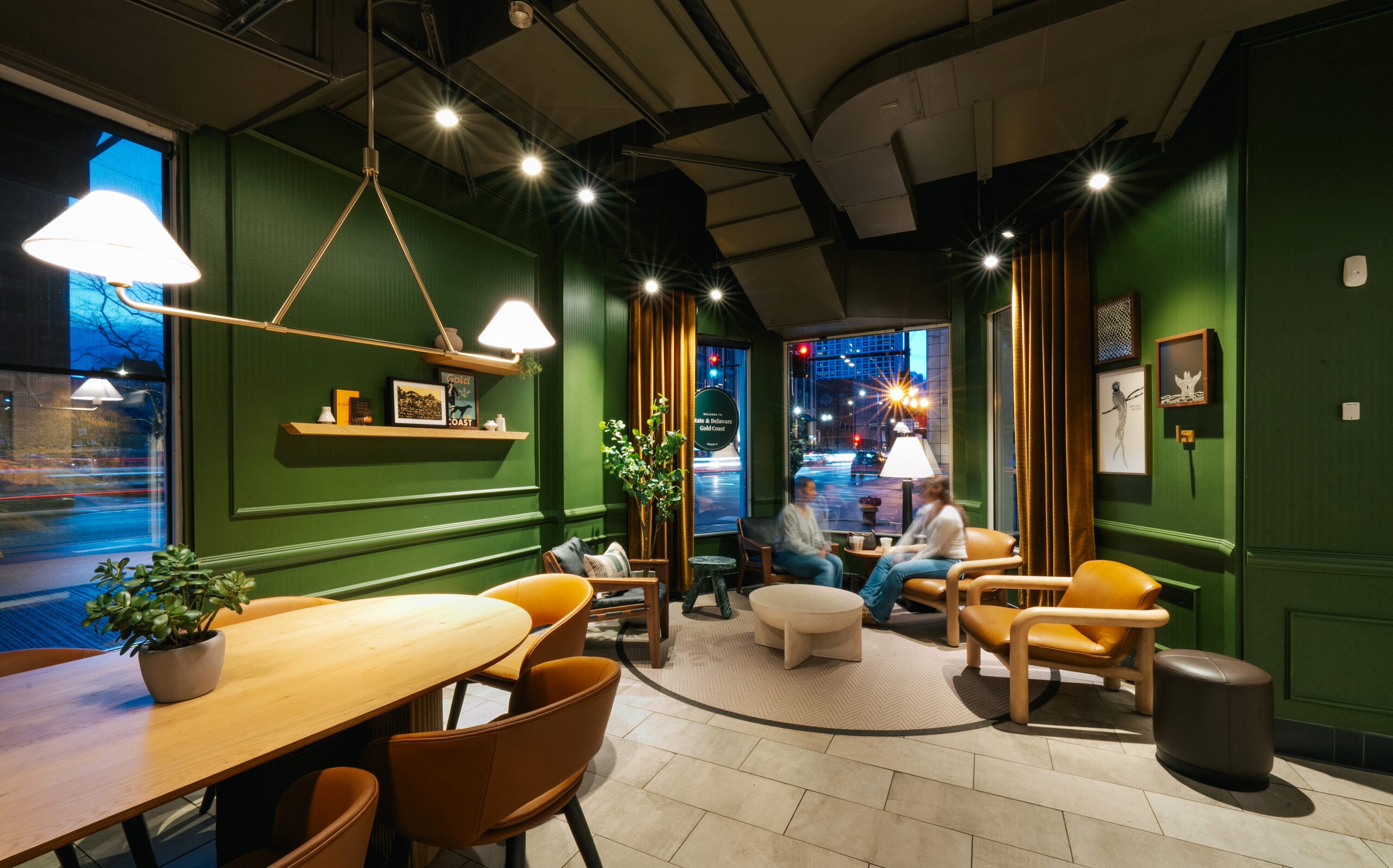
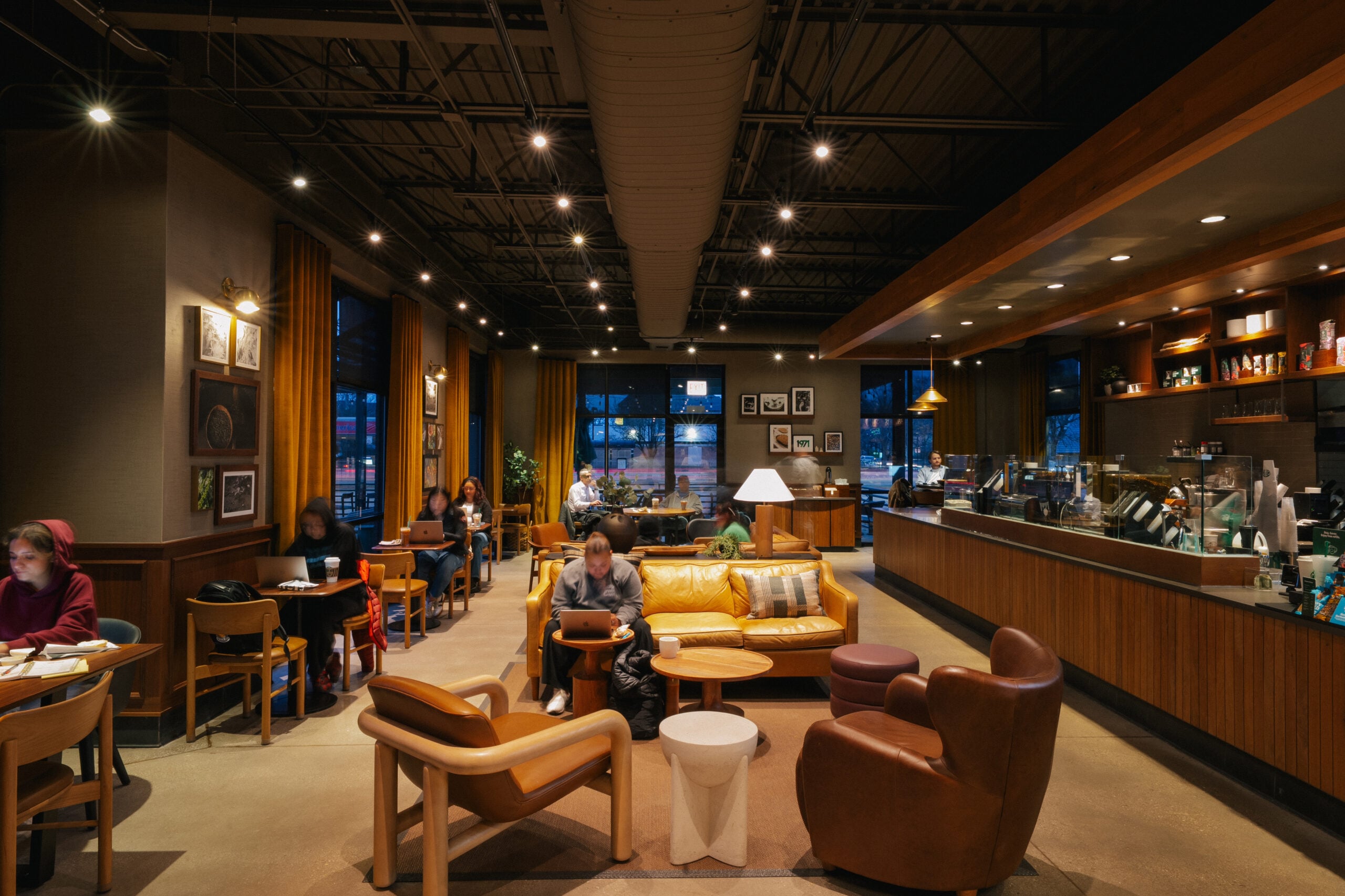
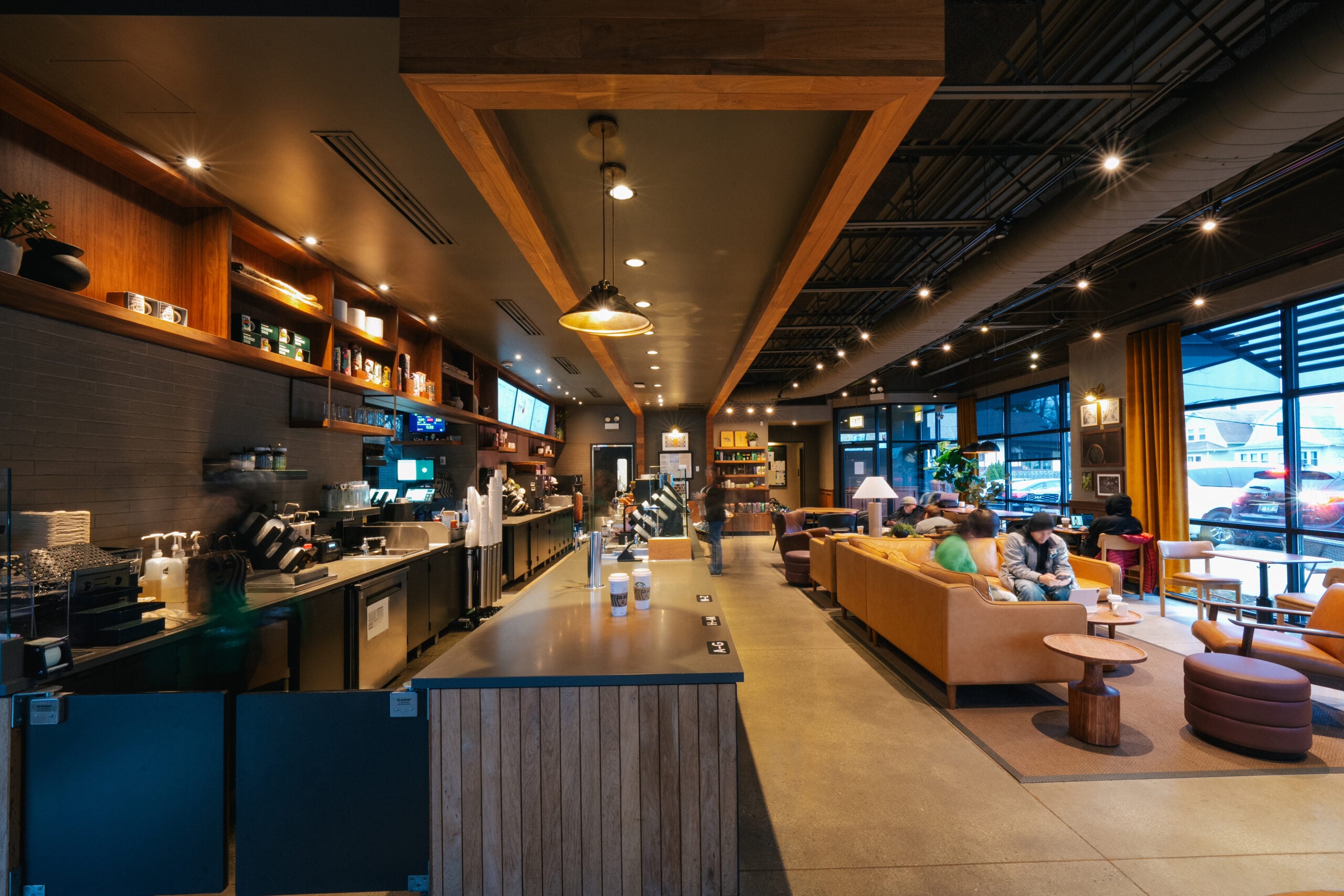
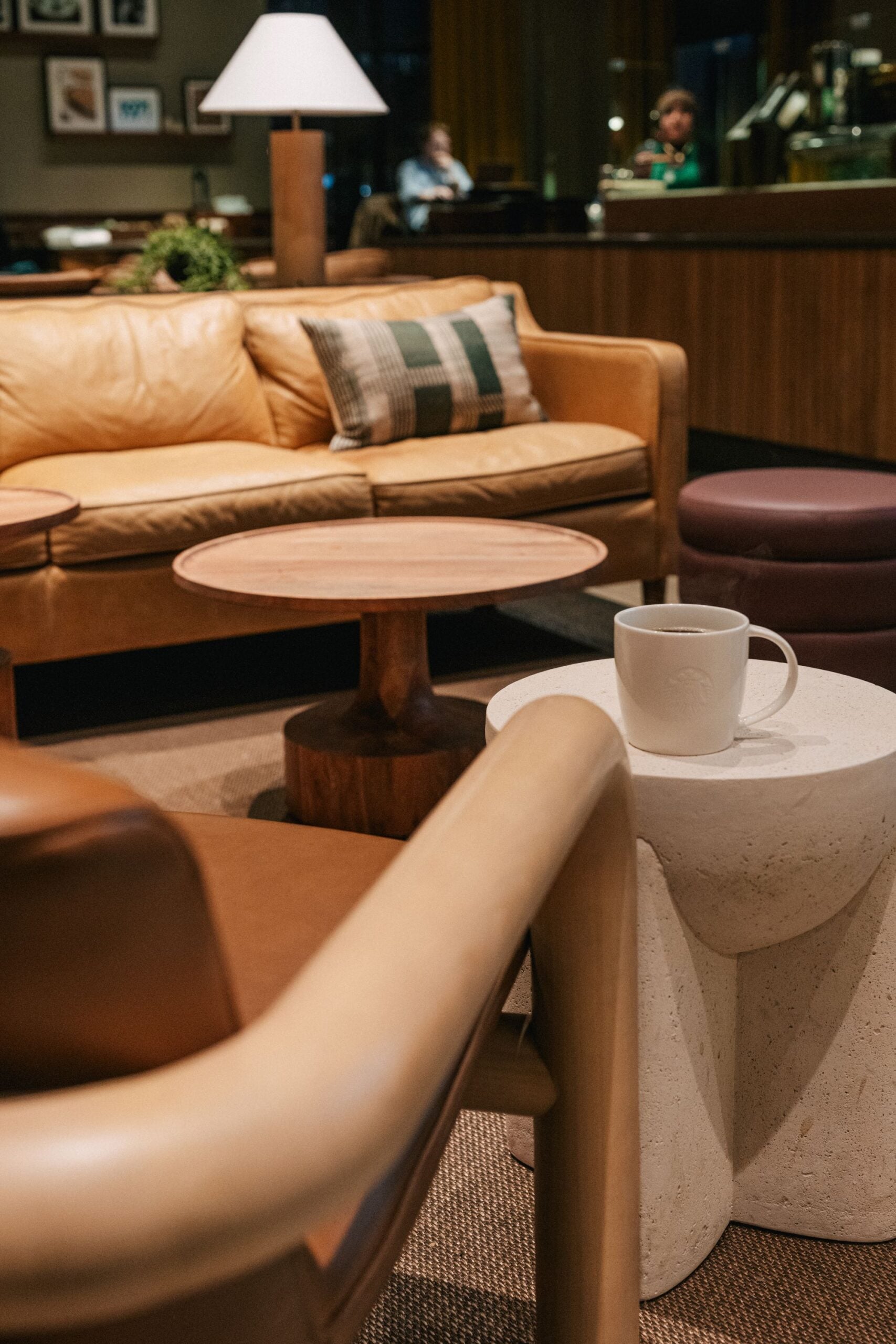
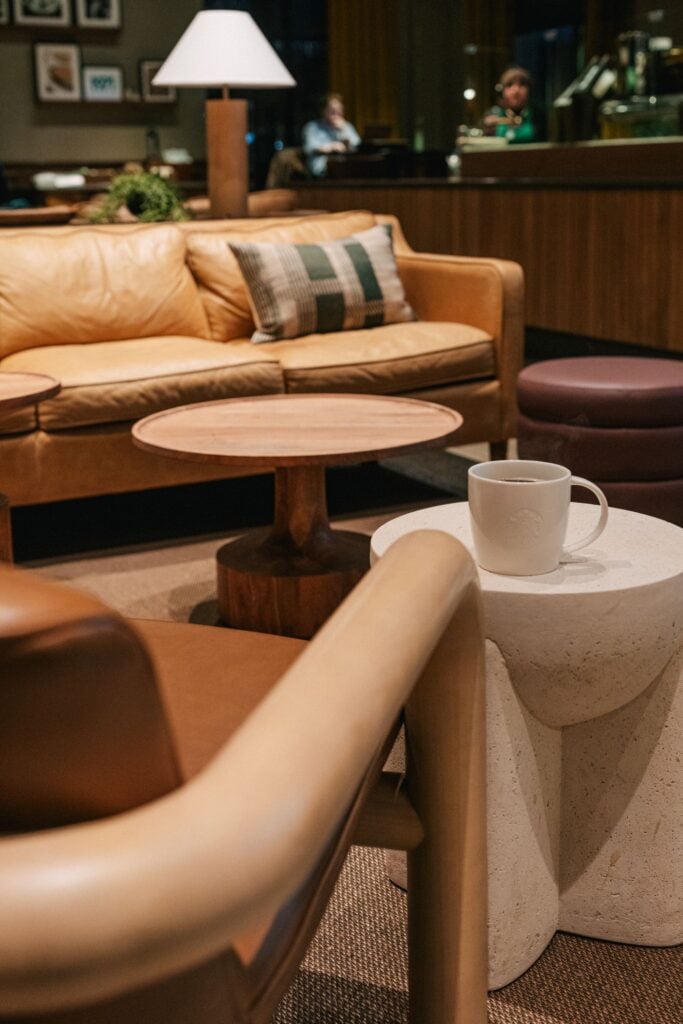
Veronica M. sees it happen over and over: A regular customer comes into her Starbucks coffeehouse and sits down. Then they get up and move to a different chair. Then another. And another — working their way all around the spacious café, until they settle on a favorite spot. (It’s often one of the soft, buttery-leather sofas.)
It’s been this way since Feb. 13, when the Starbucks at the corner of Cicero Avenue and West Berteau Avenue in Chicago, where she is the coffeehouse leader, debuted its newly redesigned and uplifted décor in the café.
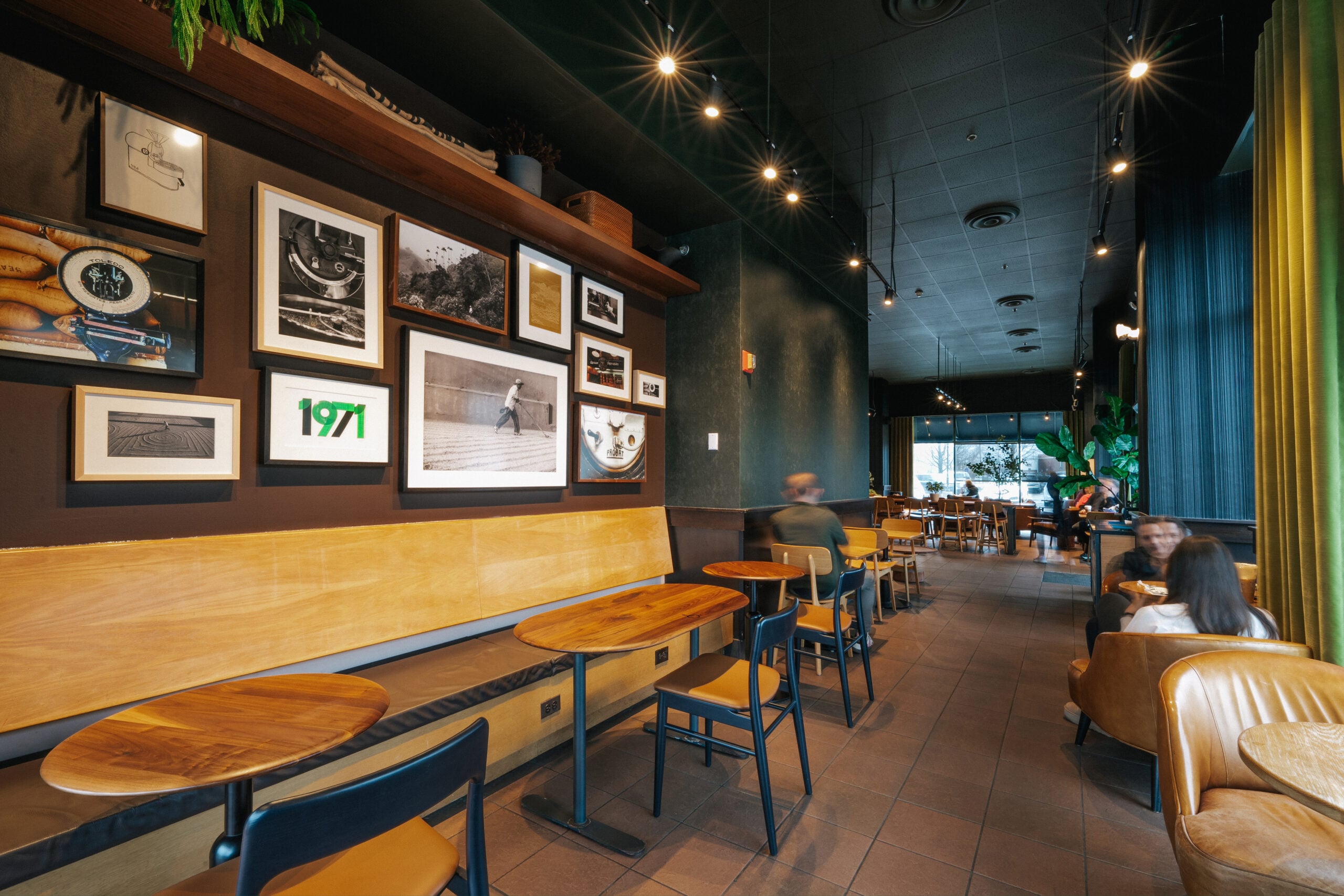
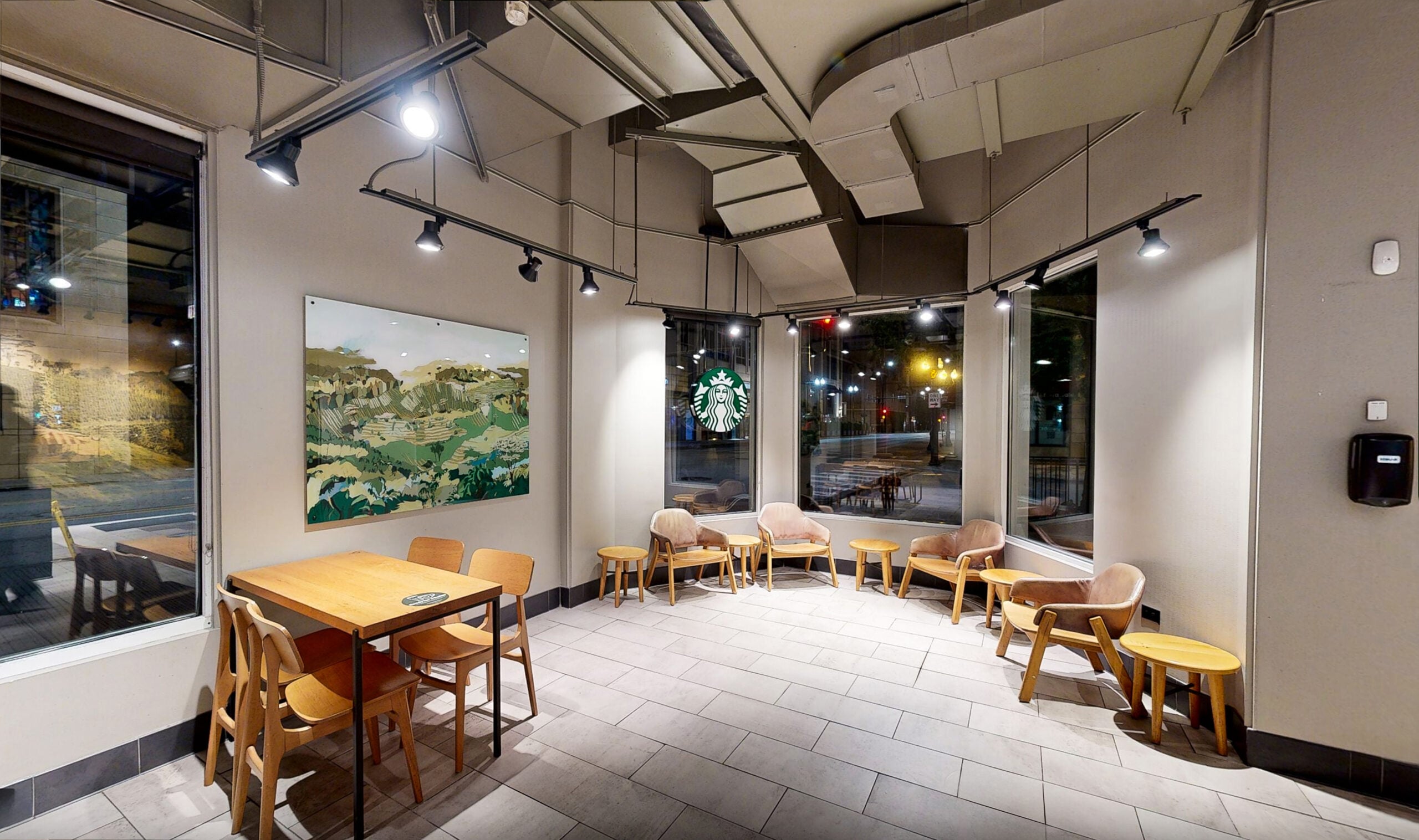
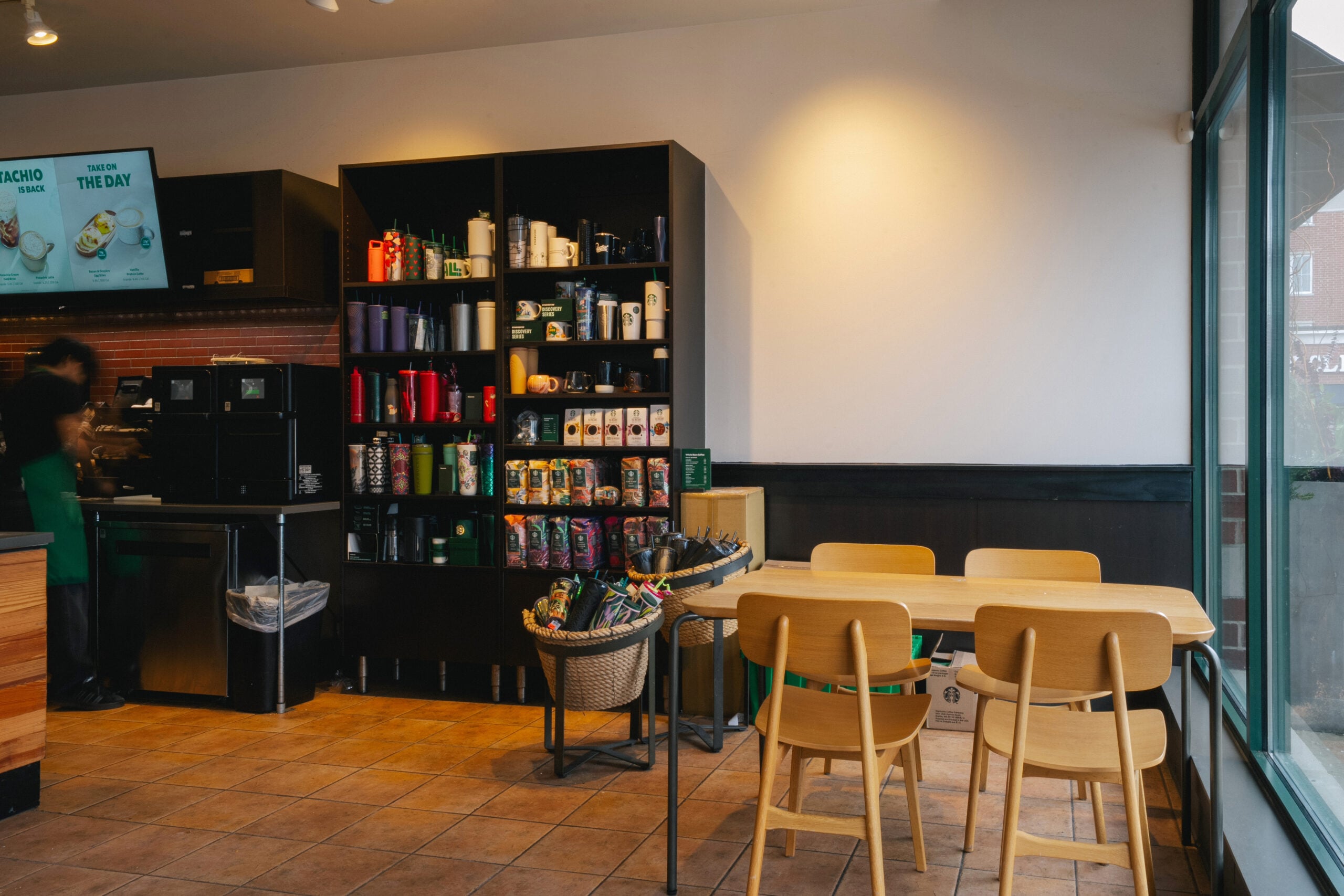
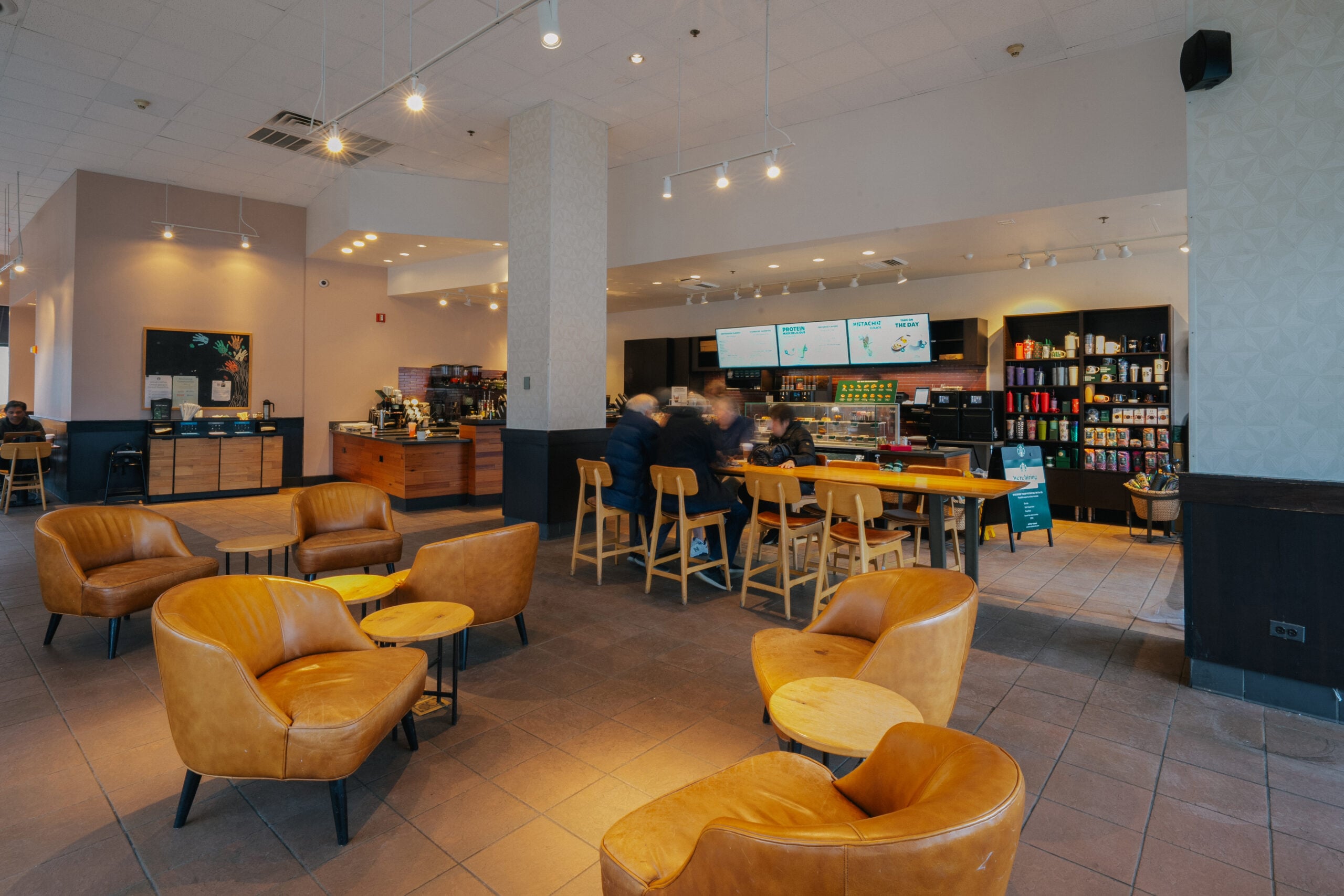
Before the store was refreshed, the lofty ceilings and exposed beams sometimes made the space feel cold, the seating was hard and the electrical outlets were few.
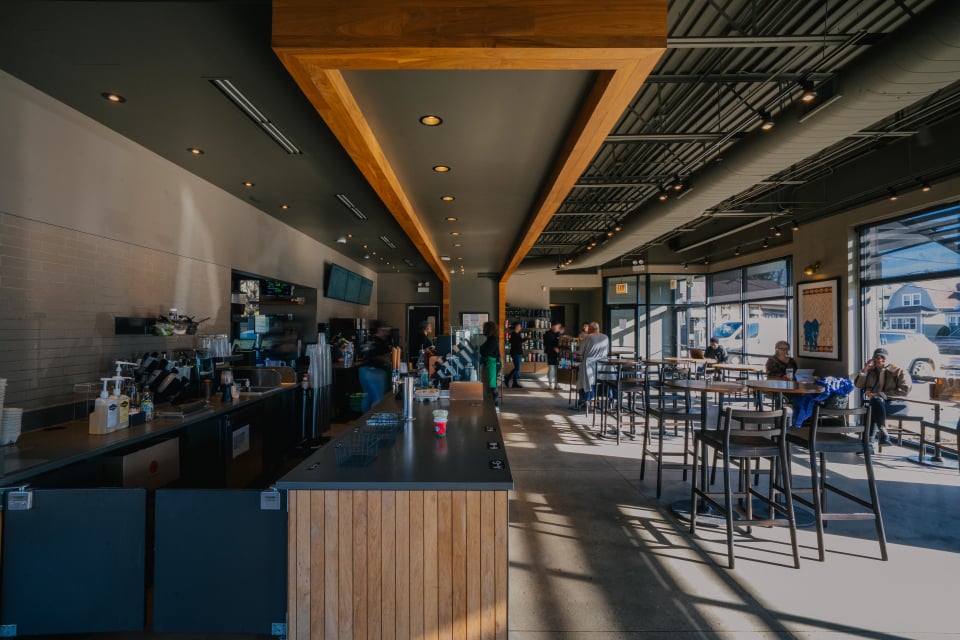
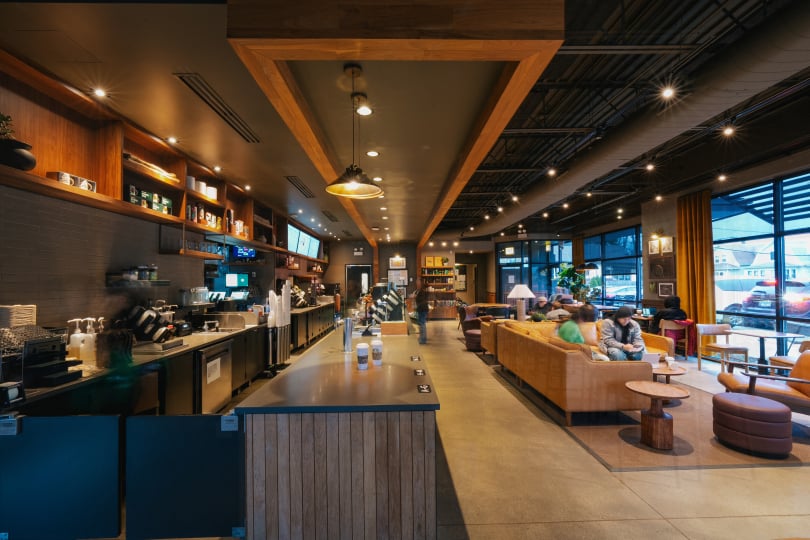
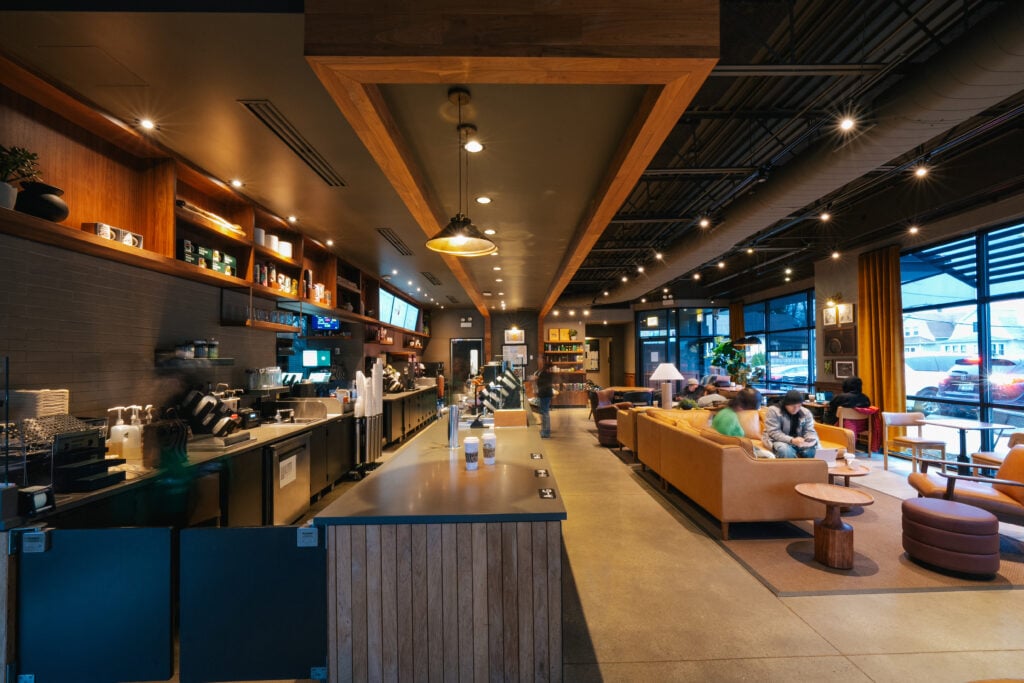
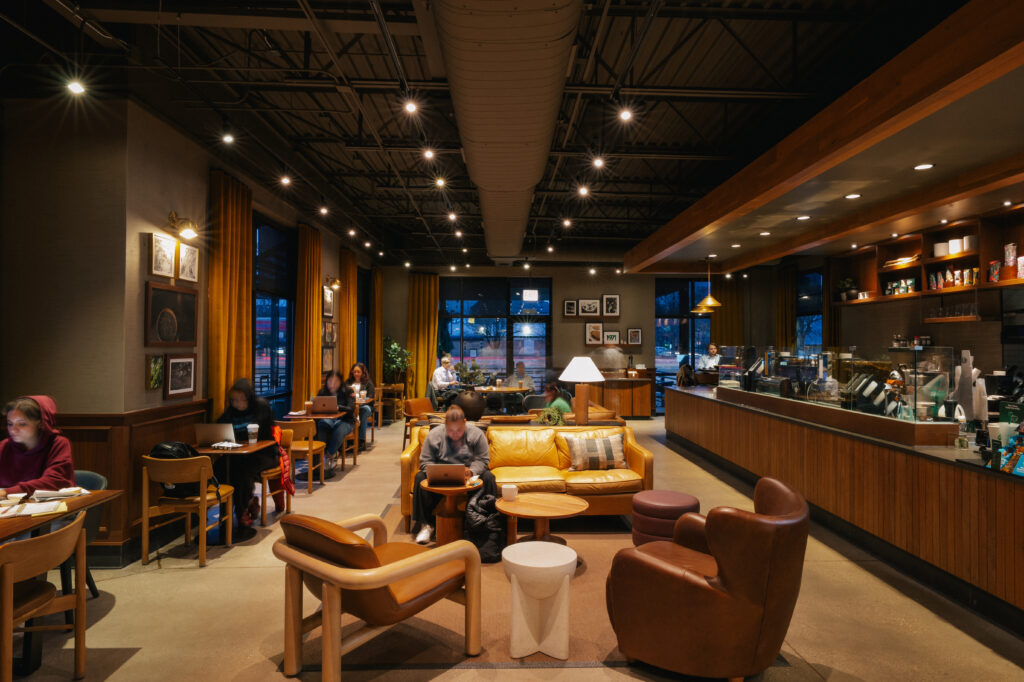
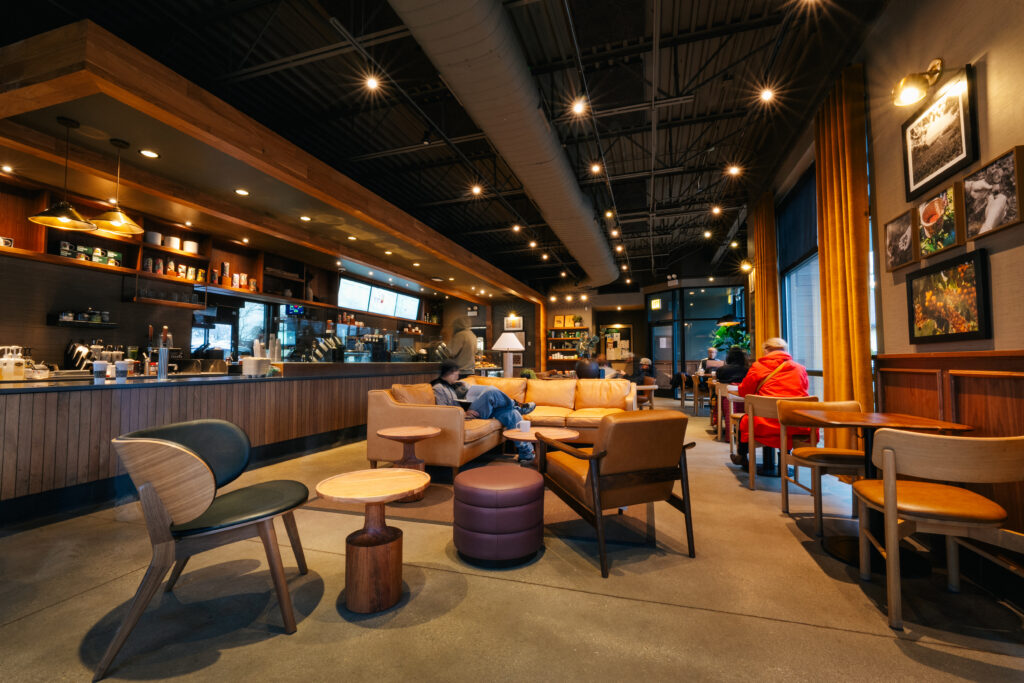
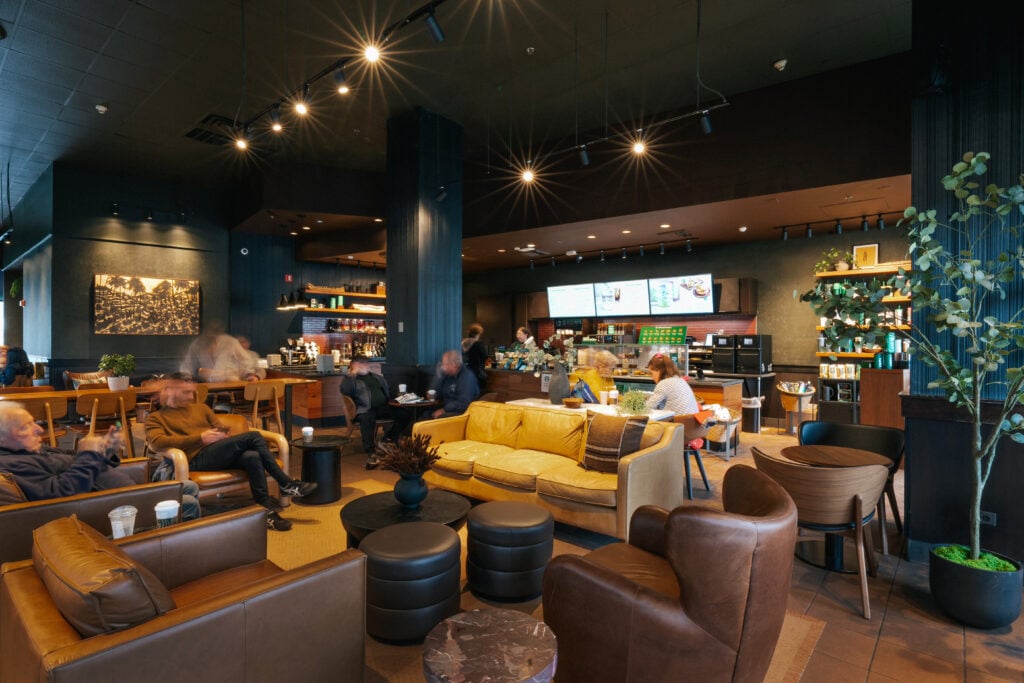
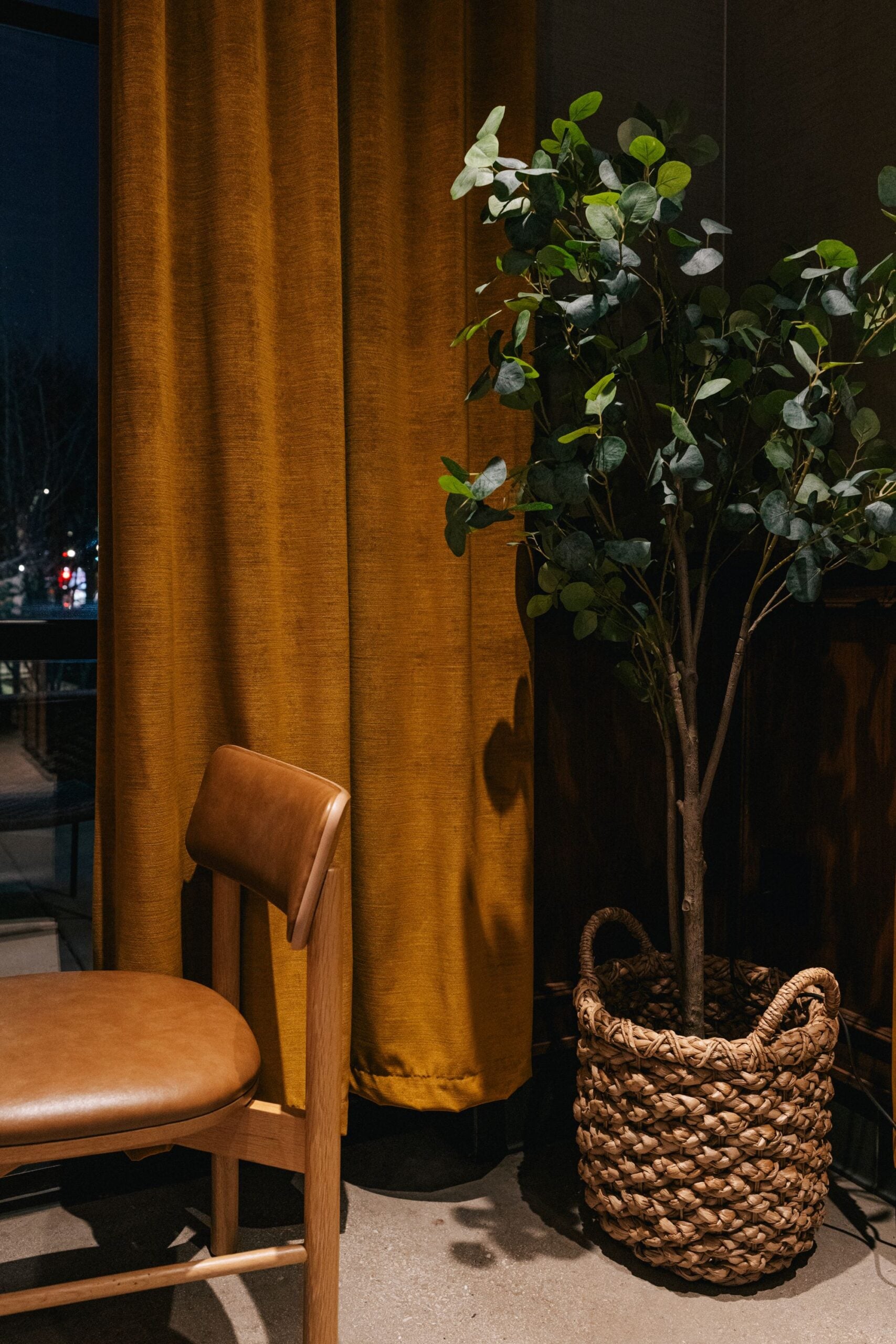
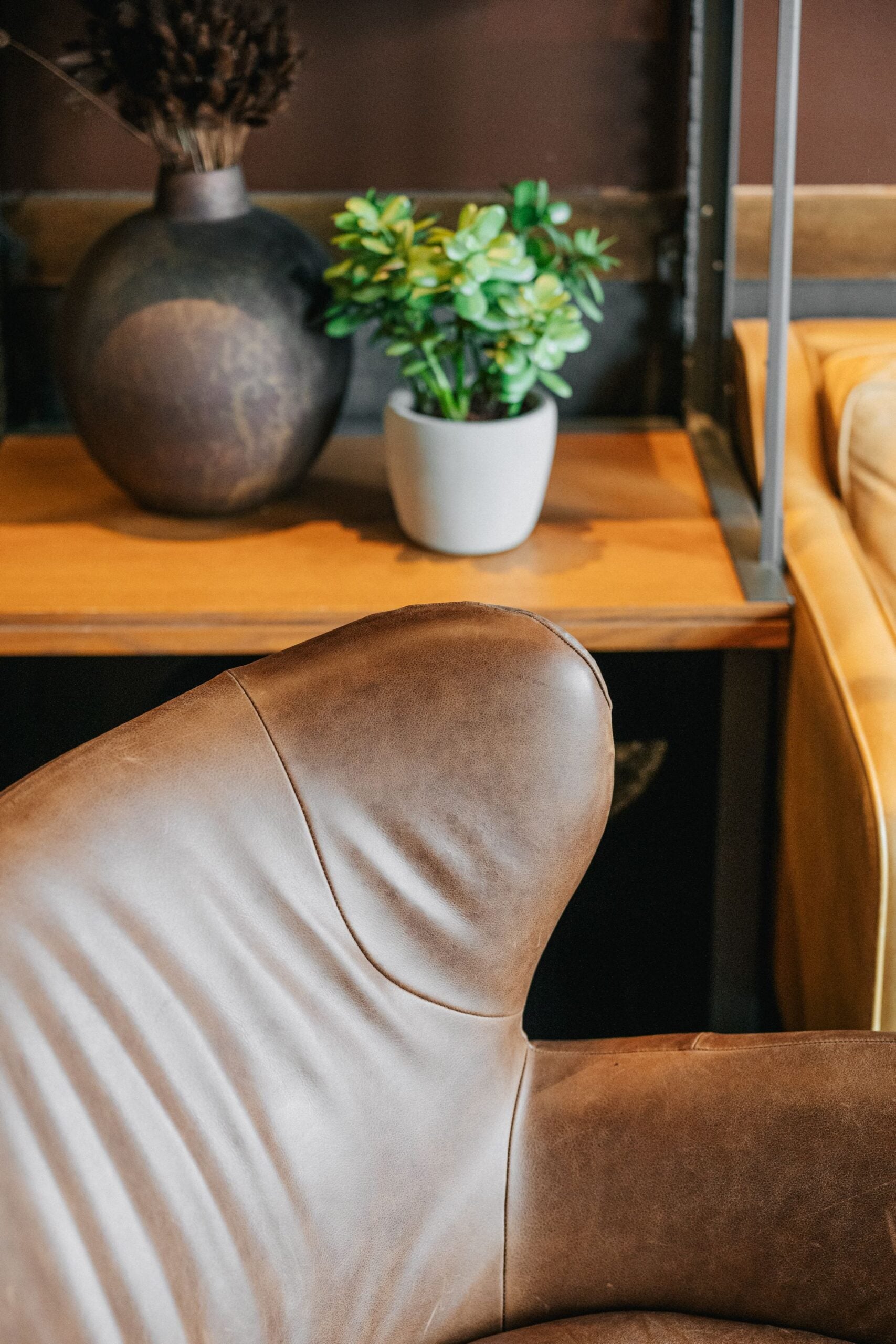
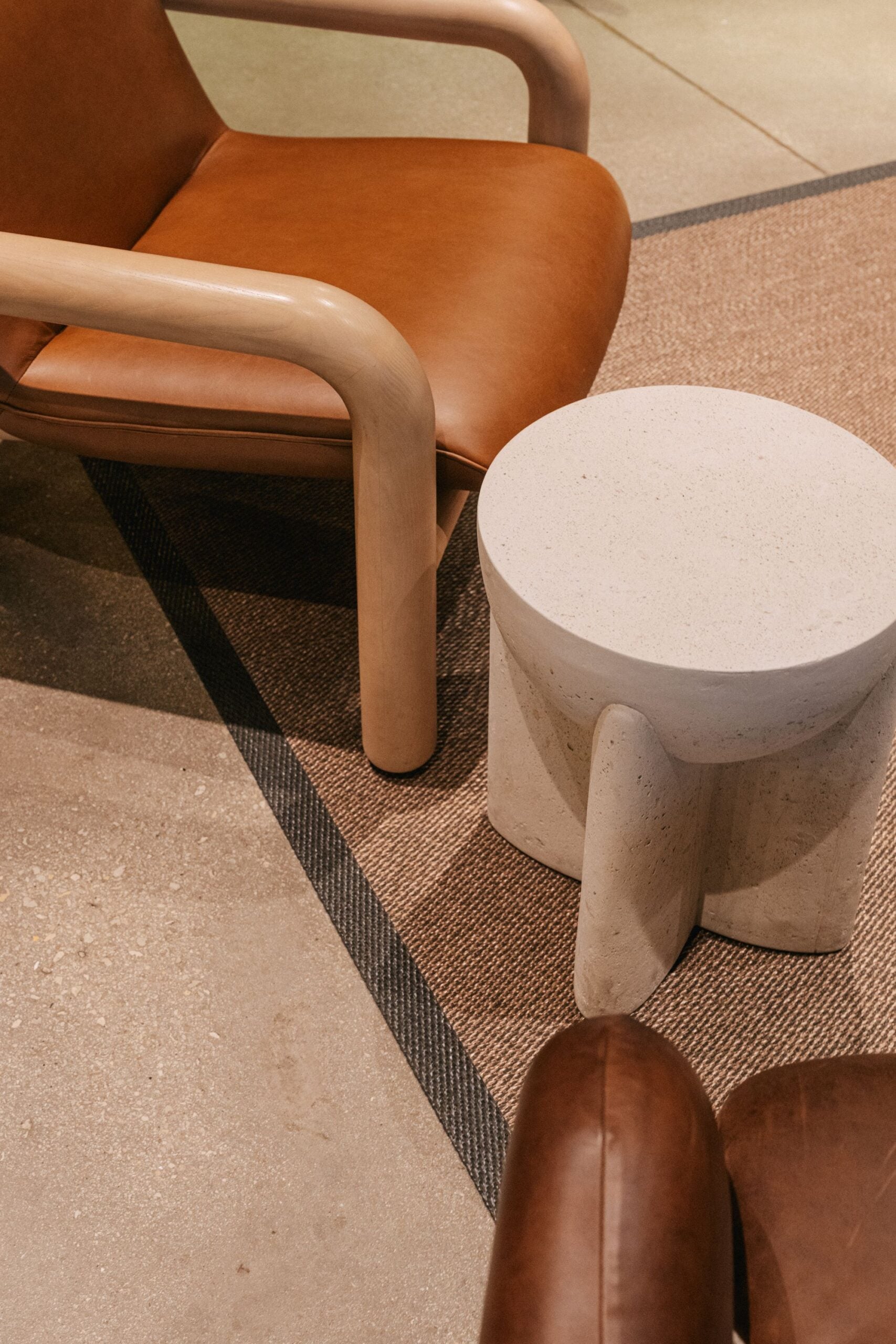
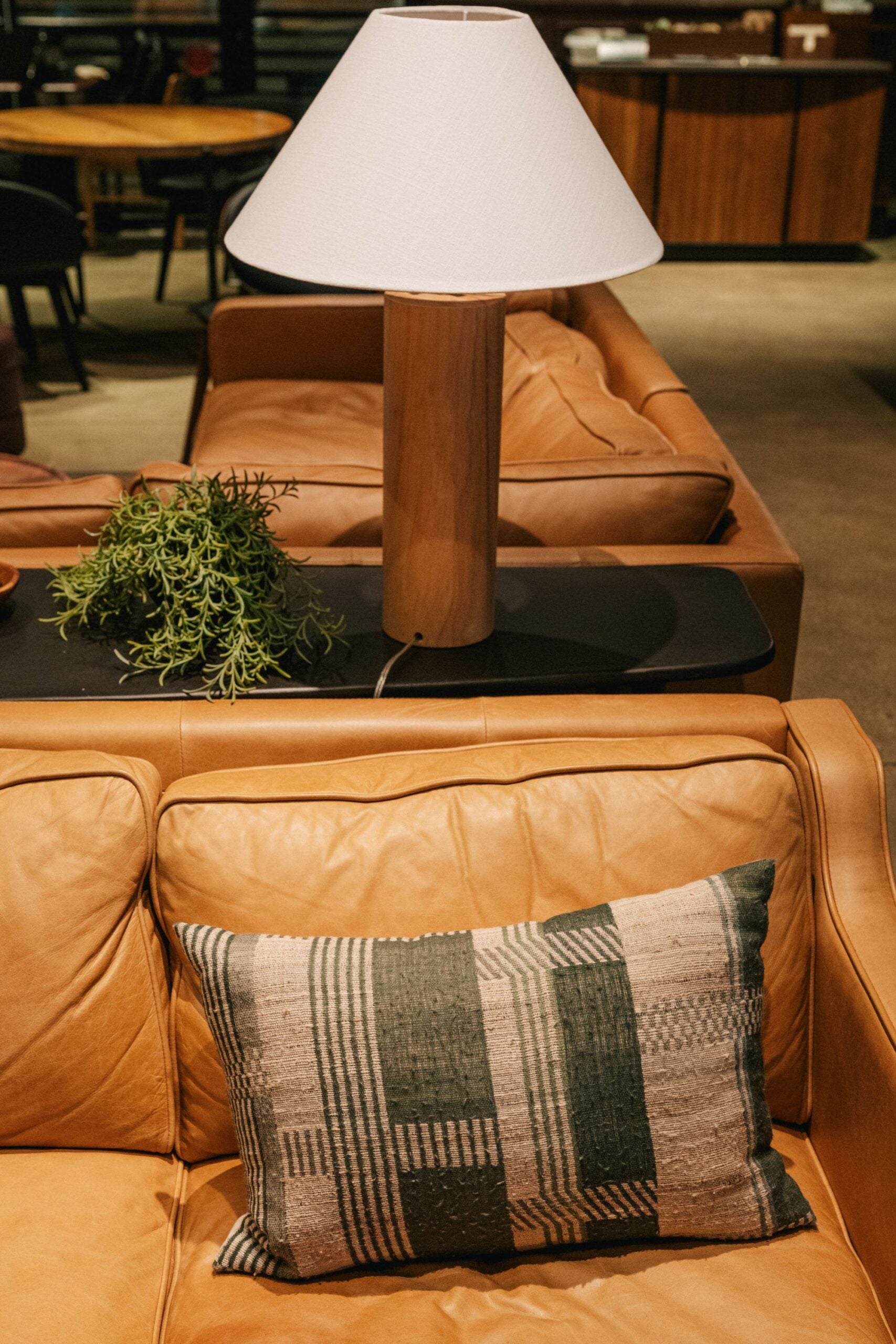
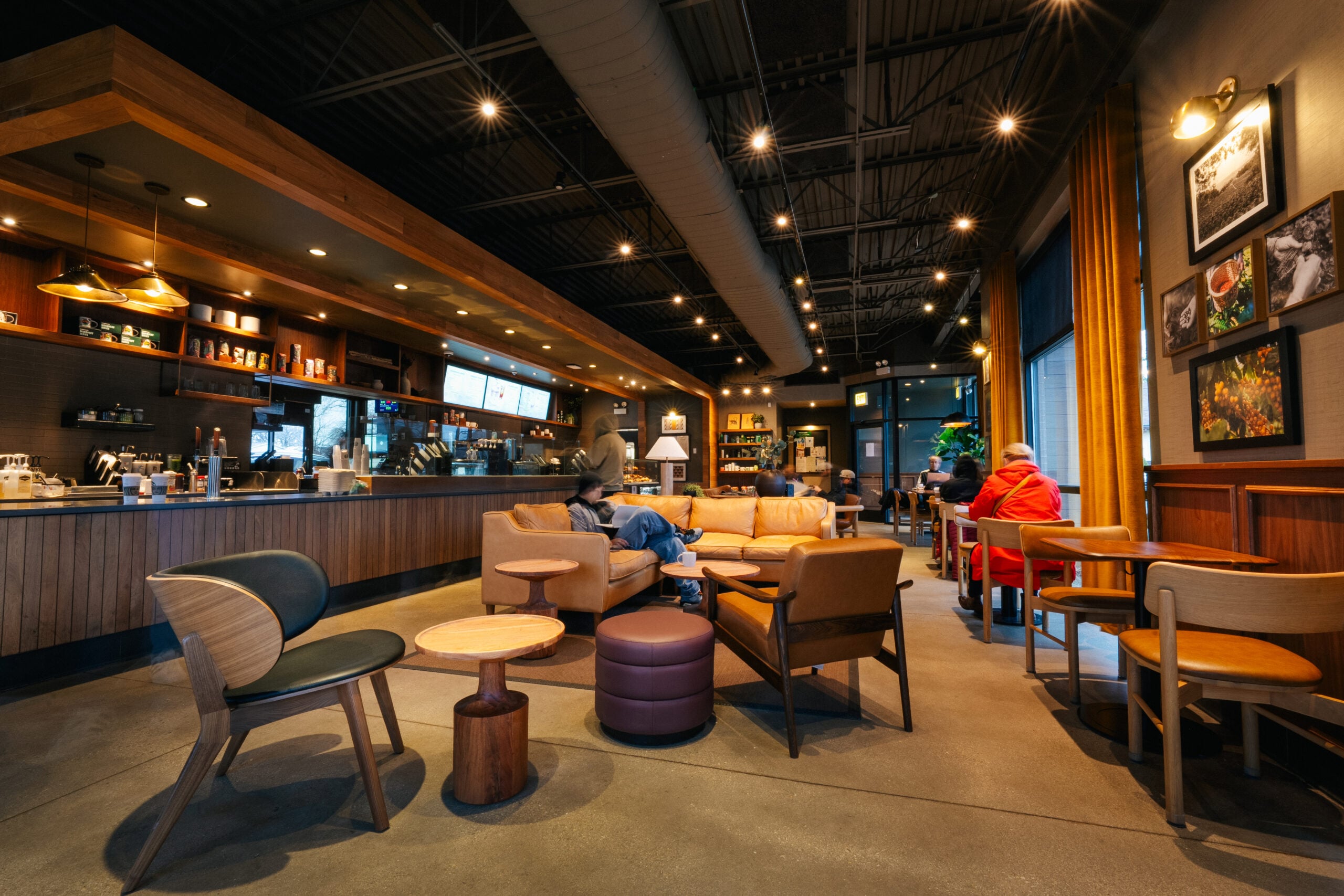
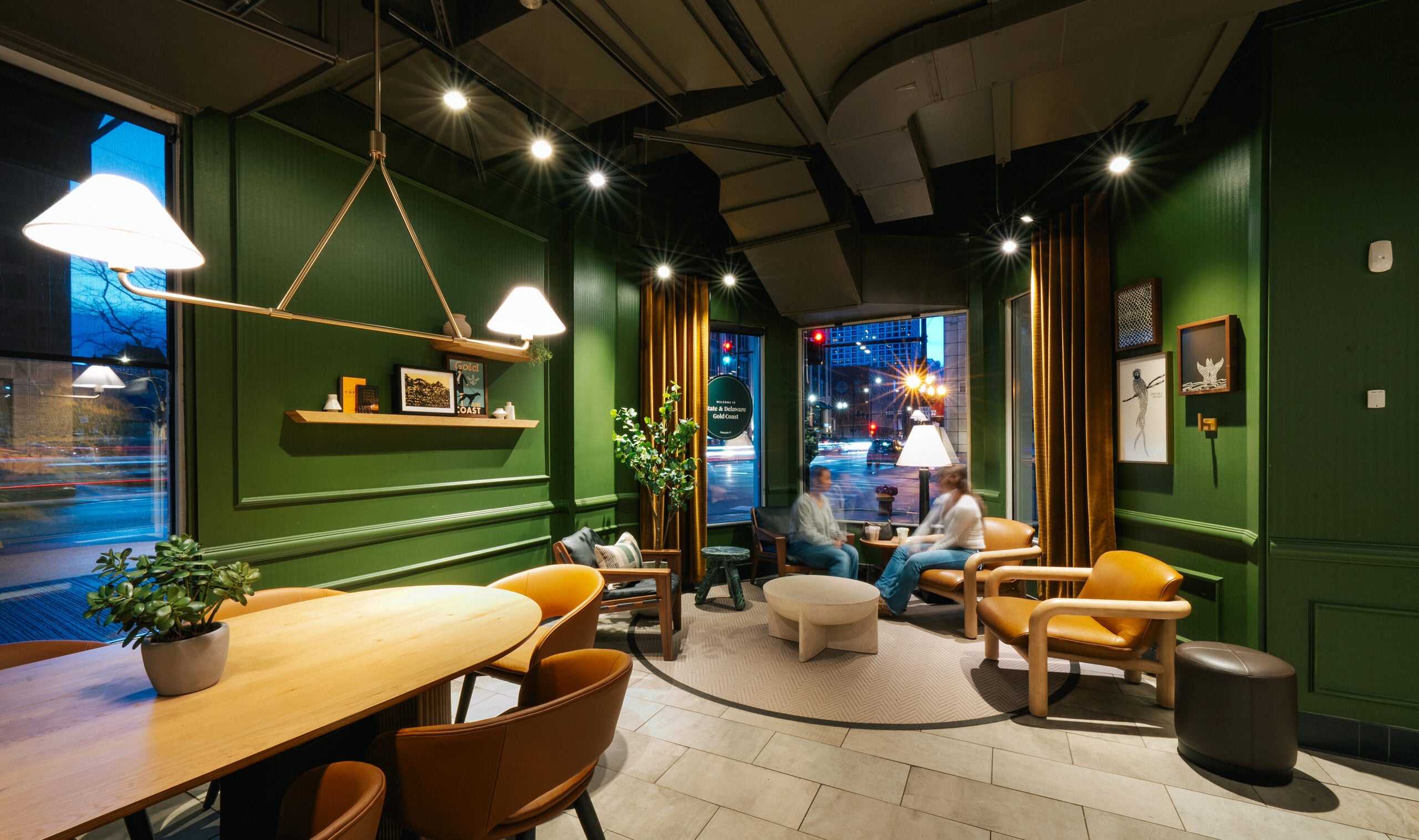
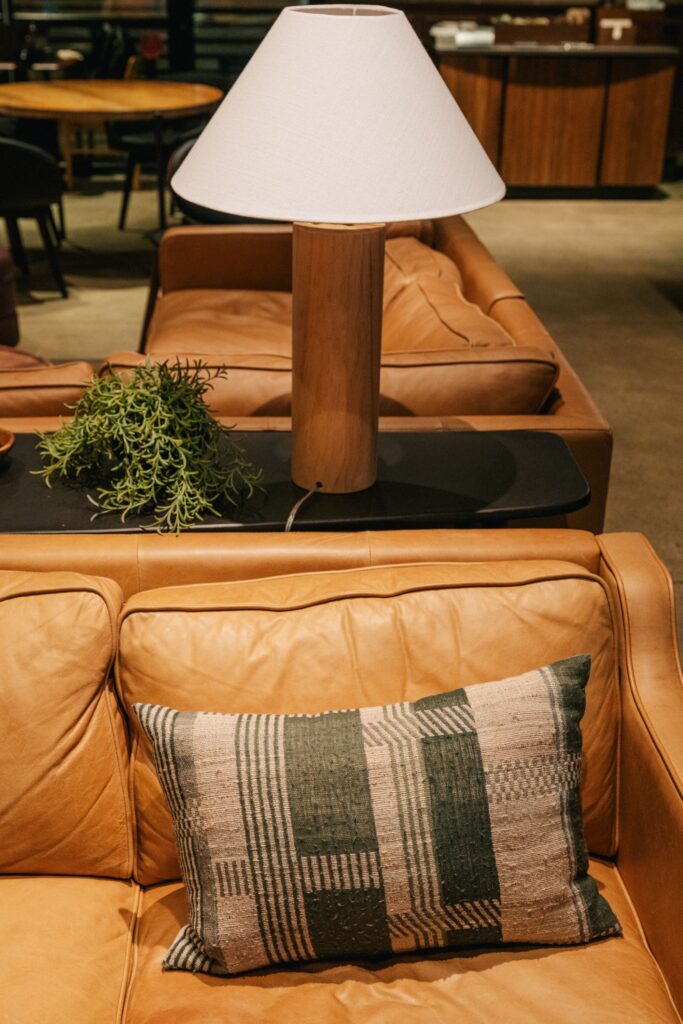
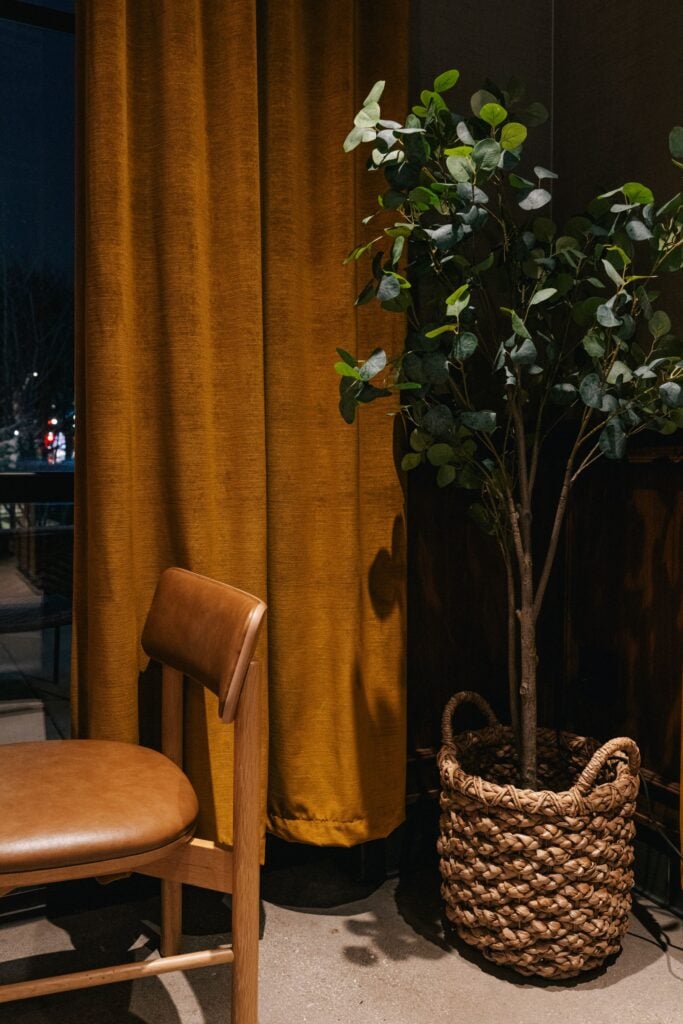
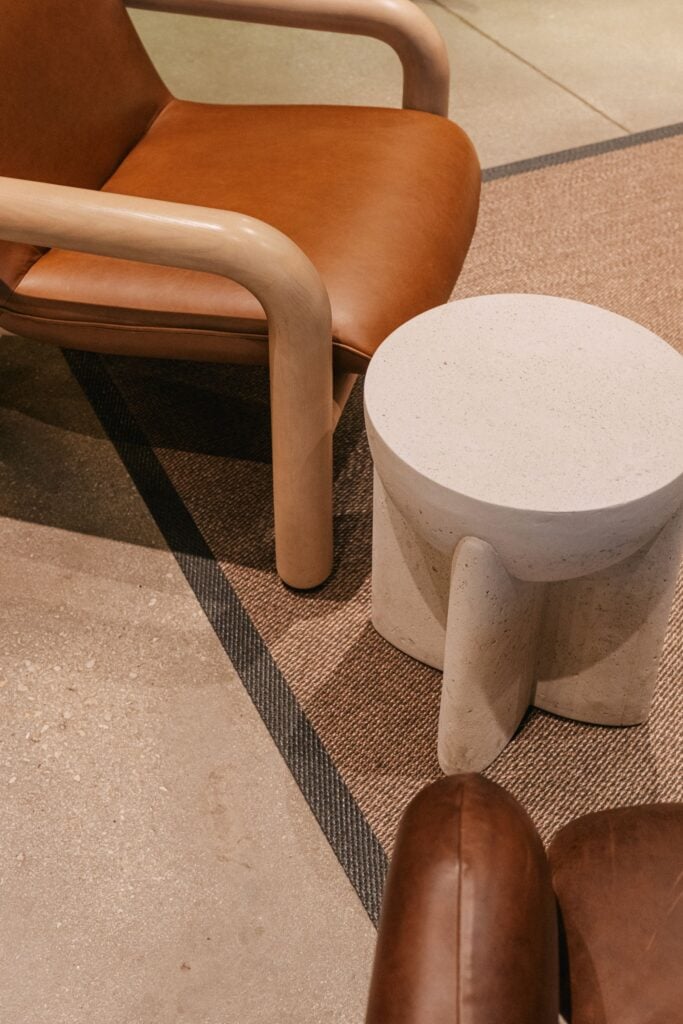
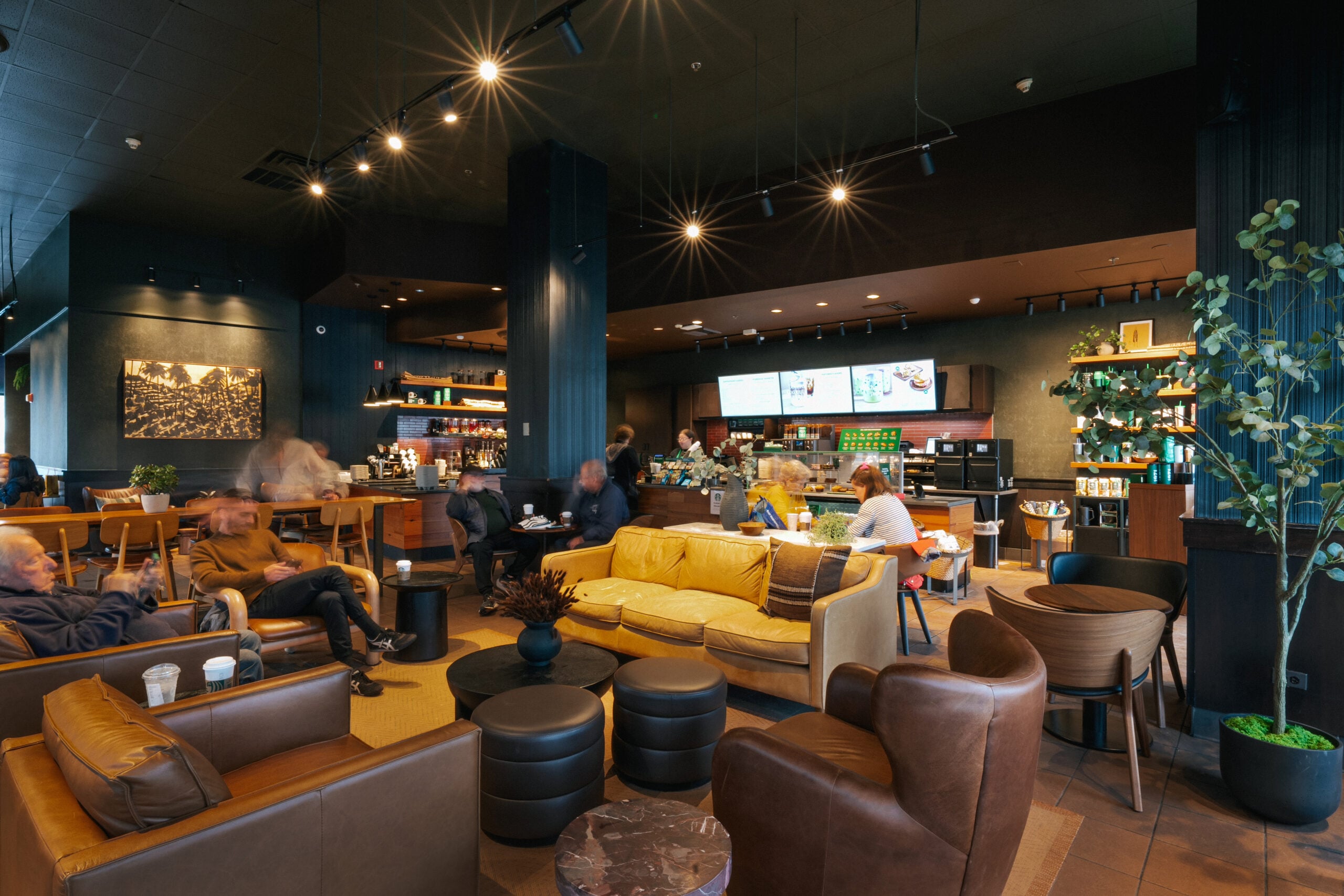
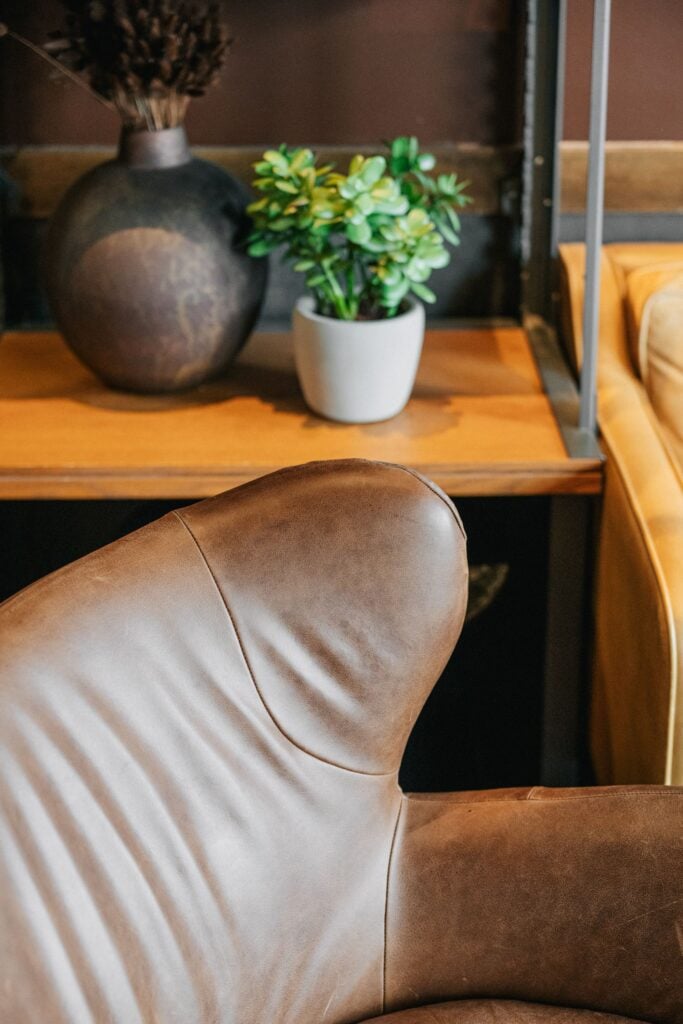
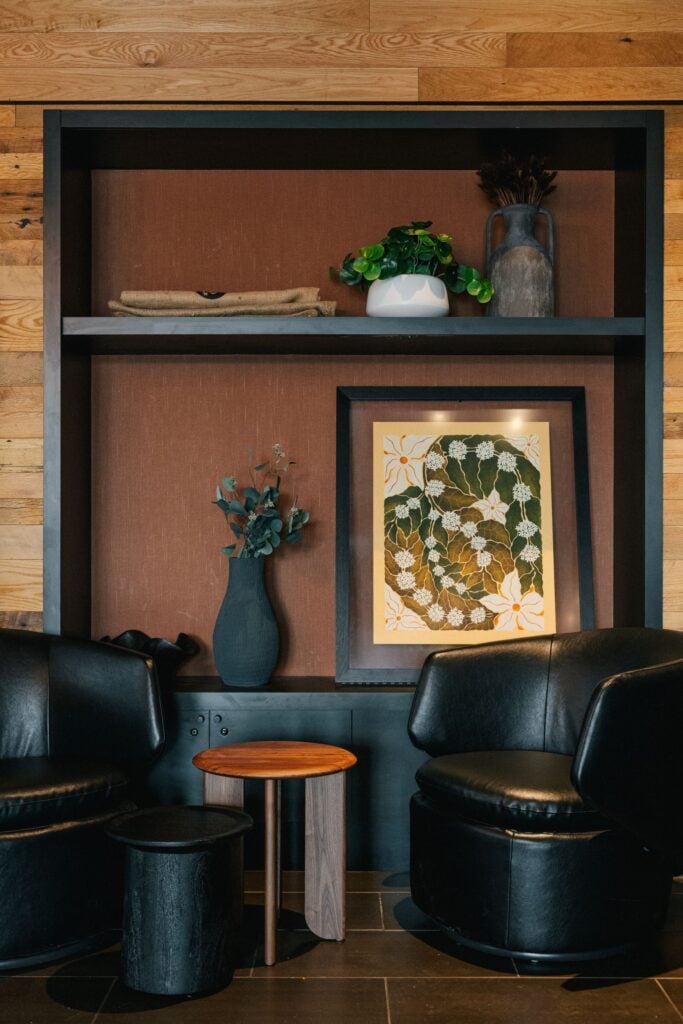
Now, the café feels warm and inviting, full of soft sofas and chairs grouped in intimate seating arrangements, cocoa-colored rugs and warm wood highlights. Table lamps with soft lighting sit on credenzas next to plants and stacks of books. A bowl of coffee beans serves triple duty as a decoration, a reminder of what Starbucks stands for and a fidget toy for customers who like to filter the coffee beans through their fingers. The huge windows, which once felt stark, now have rich, velvety ochre drapes.
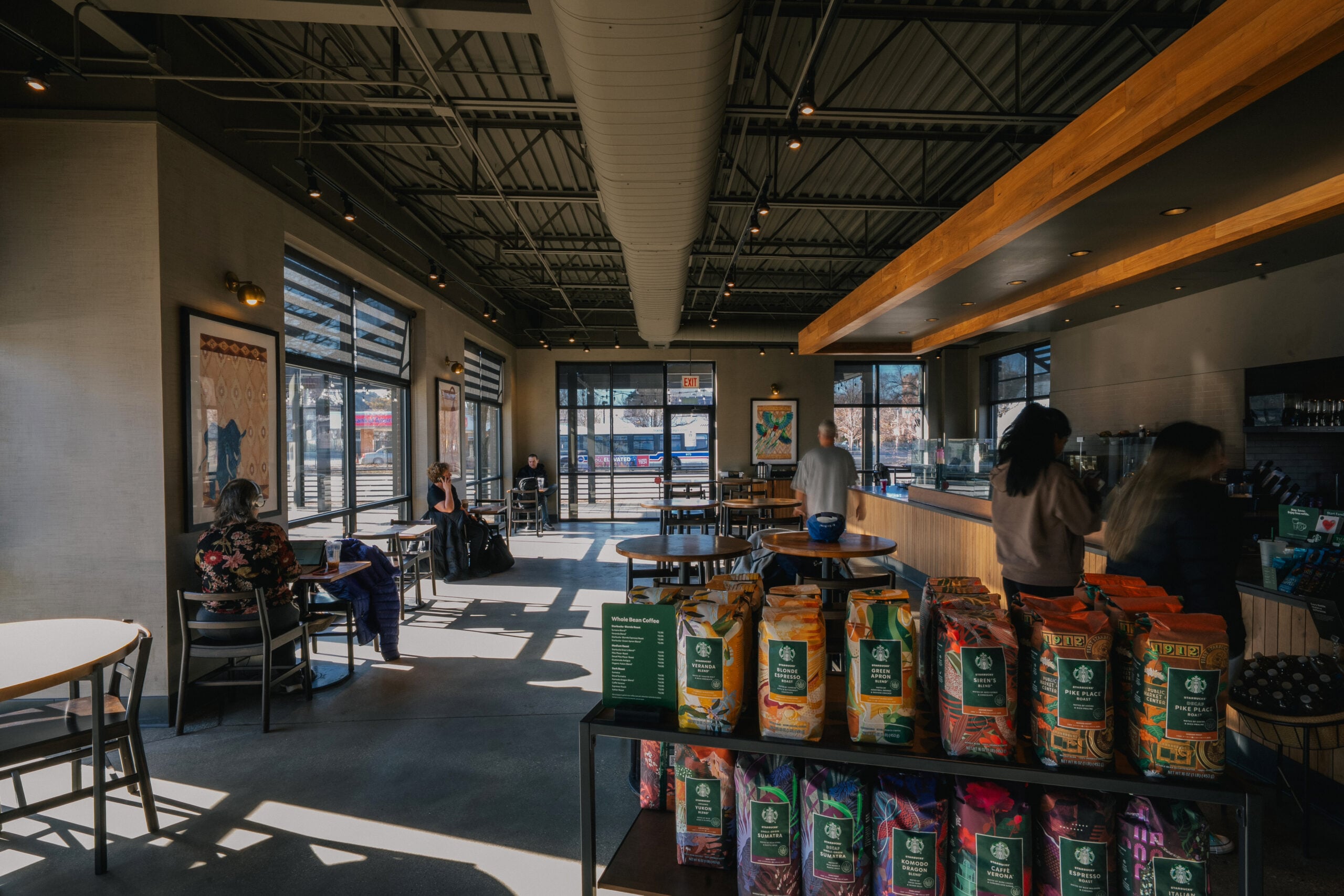
This is a place designed for lingering.
“We’ve been seeing a lot of new faces now that we have a nice space where people can meet up,“ said Veronica. “Even some customers who usually come to the drive-thru are starting to come into the café instead.”
Back to Starbucks plan brings comfort, craft and connection
It’s all part of the Back to Starbucks plan introduced by Starbucks chief executive officer Brian Niccol shortly after he took the helm in 2024. Niccol wants customers to feel seen and cared for by baristas who take pride in their craft. He wants coffeehouses to be places where people want to gather with friends or sit and read a book — places where people feel truly at home.
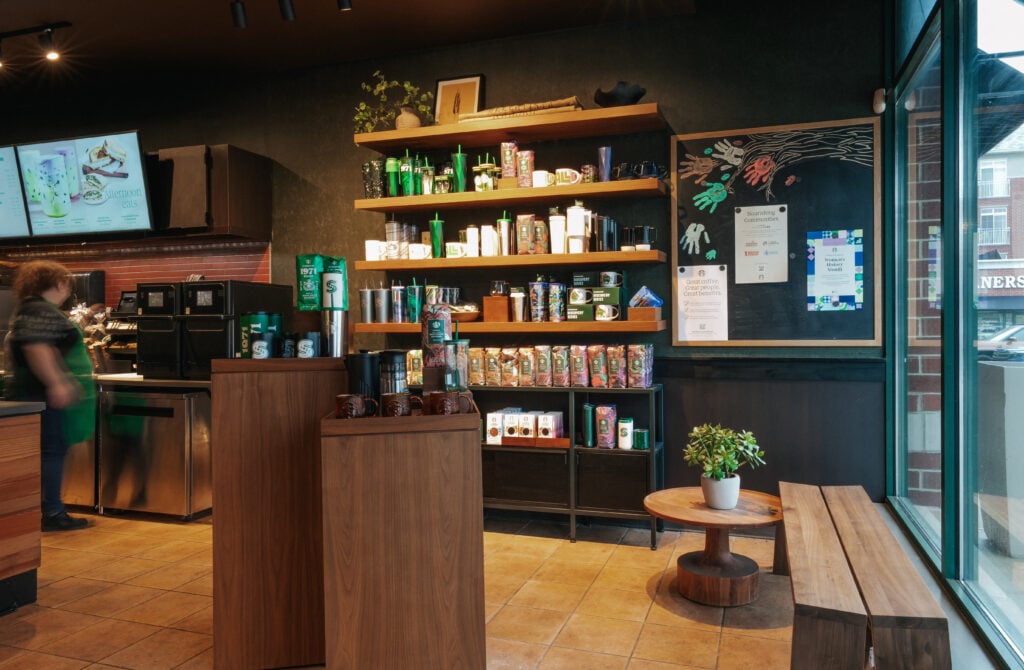
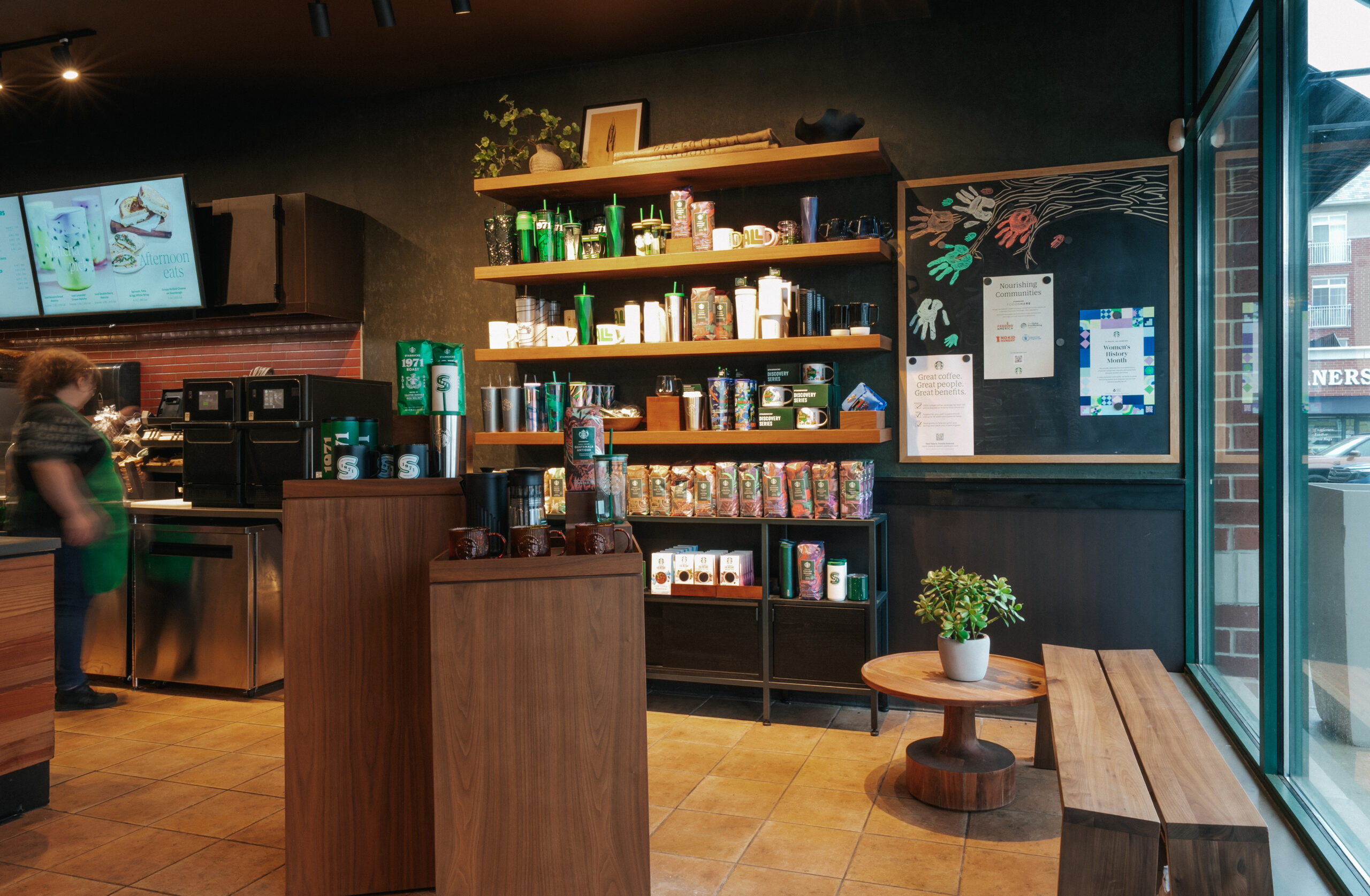
To create that experience, Starbucks designers focused on softer seating, warm colors and textures on walls and throughout the space, table lamps, plants, a redesigned espresso bar that gives customers a better view of baristas making drinks and more.
So far, more than 200 coffeehouses in New York and Southern California have been uplifted with plans for more than 1,000 more across the U.S. and Canada by the end of 2026 alone. In Chicago, the newest region where coffeehouses are being redesigned, more than 90 have been uplifted so far with nearly 200 expected to be finished by the end of September.
Chicago Starbucks reflect neighborhoods through local design
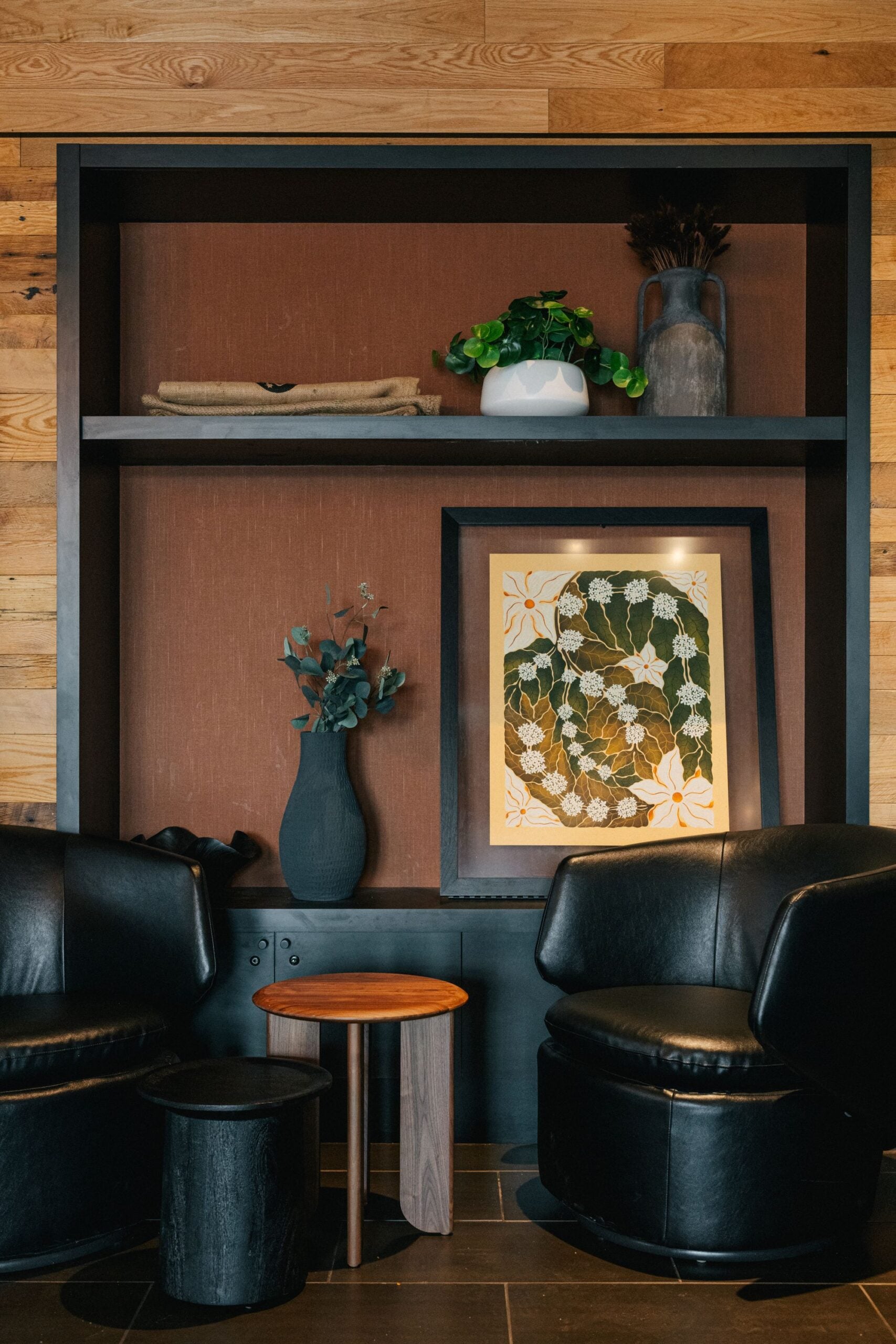
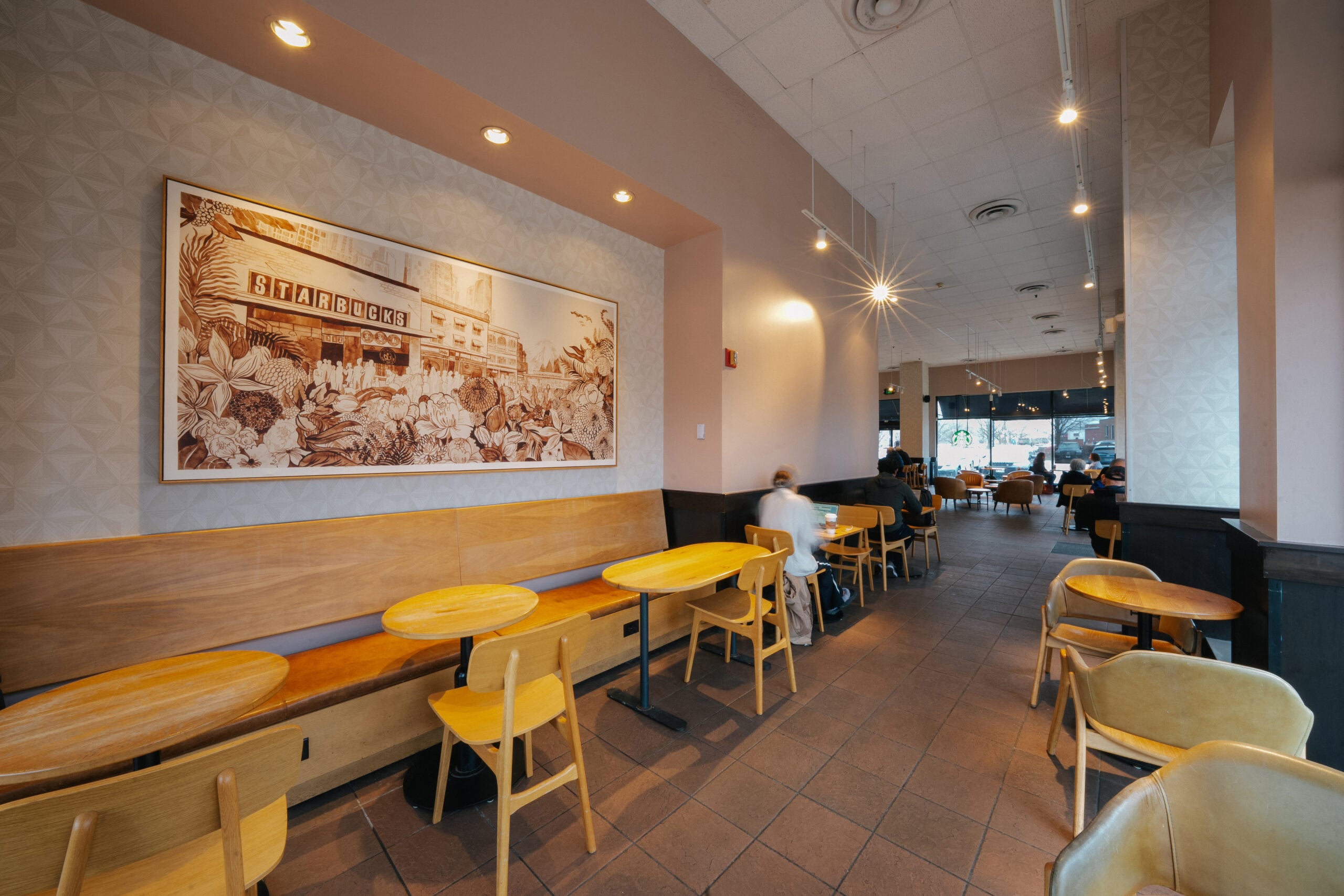
Starbucks design director Stephenie Rychlik, who has lived in Chicago her whole life except when she was in college, said she aims to help coffeehouses reflect the feel of their unique neighborhoods. Some feature work by local artists, often showcasing landmarks such as Willis Tower or the Chicago River.
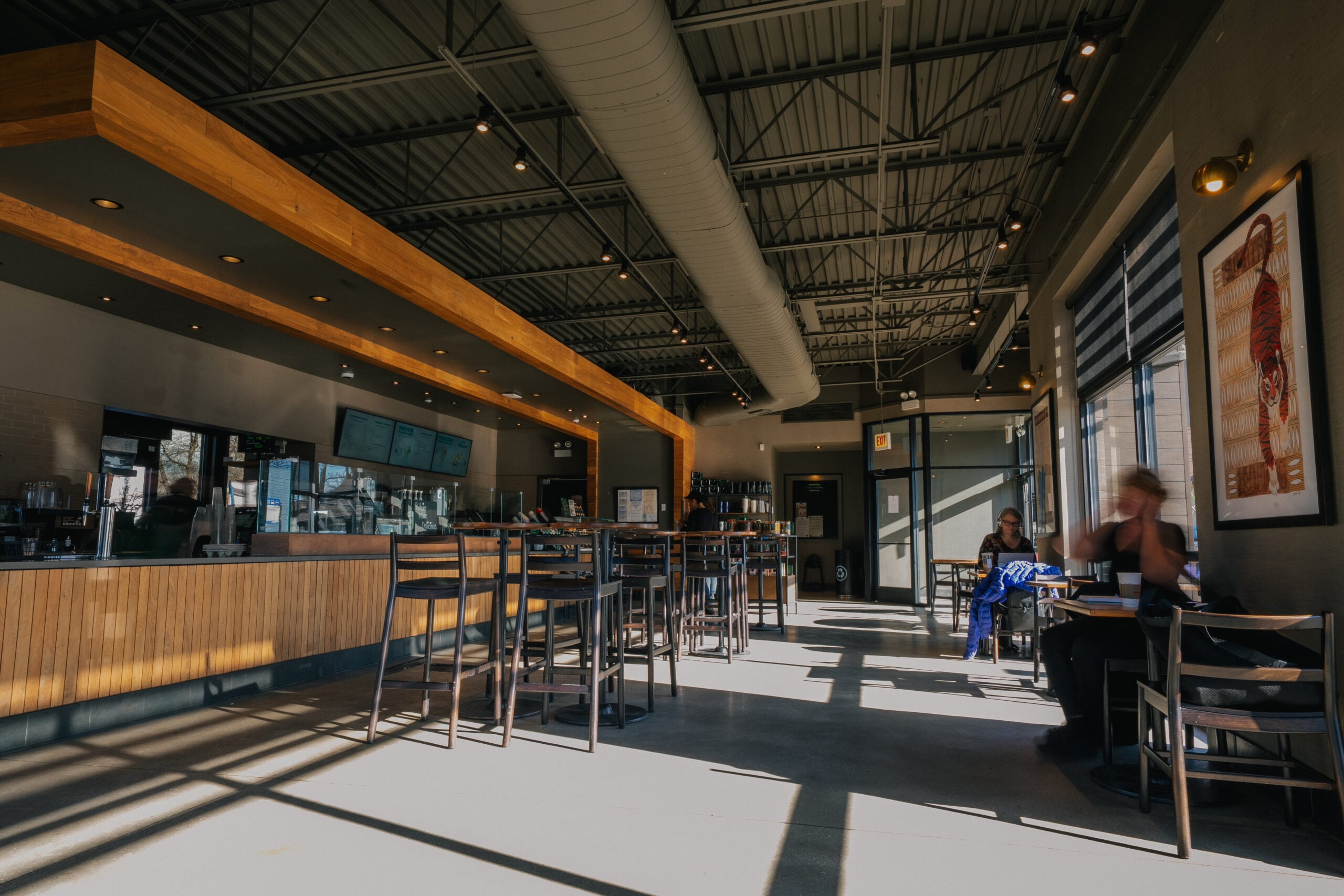
And since Chicago is known for its industrial architecture, she said the design team has threaded references to that heritage into some coffeehouses with exposed ceilings and ductwork, made warmer through intimate seating, textures and colors that encourage customers to stay.
Already, it’s working. “It’s been impactful to see how quickly it’s turning around,” she said. “I was in a store the other day and these two girls walked in and said, ‘Oh, we should hang out here more often!’ Those are the kinds of comments we’re getting.”
Rychlik has been a designer at Starbucks for 18 years and said her role is constantly evolving. “Our business needs are always changing, but what hasn’t changed is that we’re always trying to do it through our lens of humanity. We’re always trying to do the right thing by the customer,” she said. “And maybe we don’t get it right every single time. But this feels right. This feels really, really right. … We’re setting the stage for connections to happen.”
Customers linger longer in uplifted Chicago cafés
On a recent Wednesday at Veronica’s coffeehouse, two friends sat on a sofa while they caught up. A man worked on his laptop at a nearby table and another customer relaxed in a chair reading a book.
Customer Lulu Duran settled into a sofa with her laptop resting on a wooden stool in front of her. A few months ago, when she noticed the coffeehouse had closed early for the uplift, she worried it’d be closed for a long time. But most uplifts span only a few days (this one took about four) and often don’t require the coffeehouse to close at all, unlike with a full renovation.
“My friend went and she was like, ‘Oh my God, you’ve got to go in there. It’s gorgeous. And she was right, it’s absolutely beautiful,” Duran said. “… It feels cozier. The curtains make it feel like home.”
For her, it kind of is. She is a regular who often comes to Starbucks after dropping her son off for school, then stays for a few hours doing work for her job or for groups she volunteers with, such as the Parent Teacher Association at her children’s school or the nonprofit board for her sorority.
“I like to have that first sip of coffee going through my veins and hitting my soul and then I can start the day,” she said.
Her order? Pike Place Roast or Blonde Roast with cream in a ceramic mug. Partners often start preparing it when they see her walk in, before she even orders.
“This team, they know everybody who comes in and their regulars,” she said. “They know my name and they know my order.”
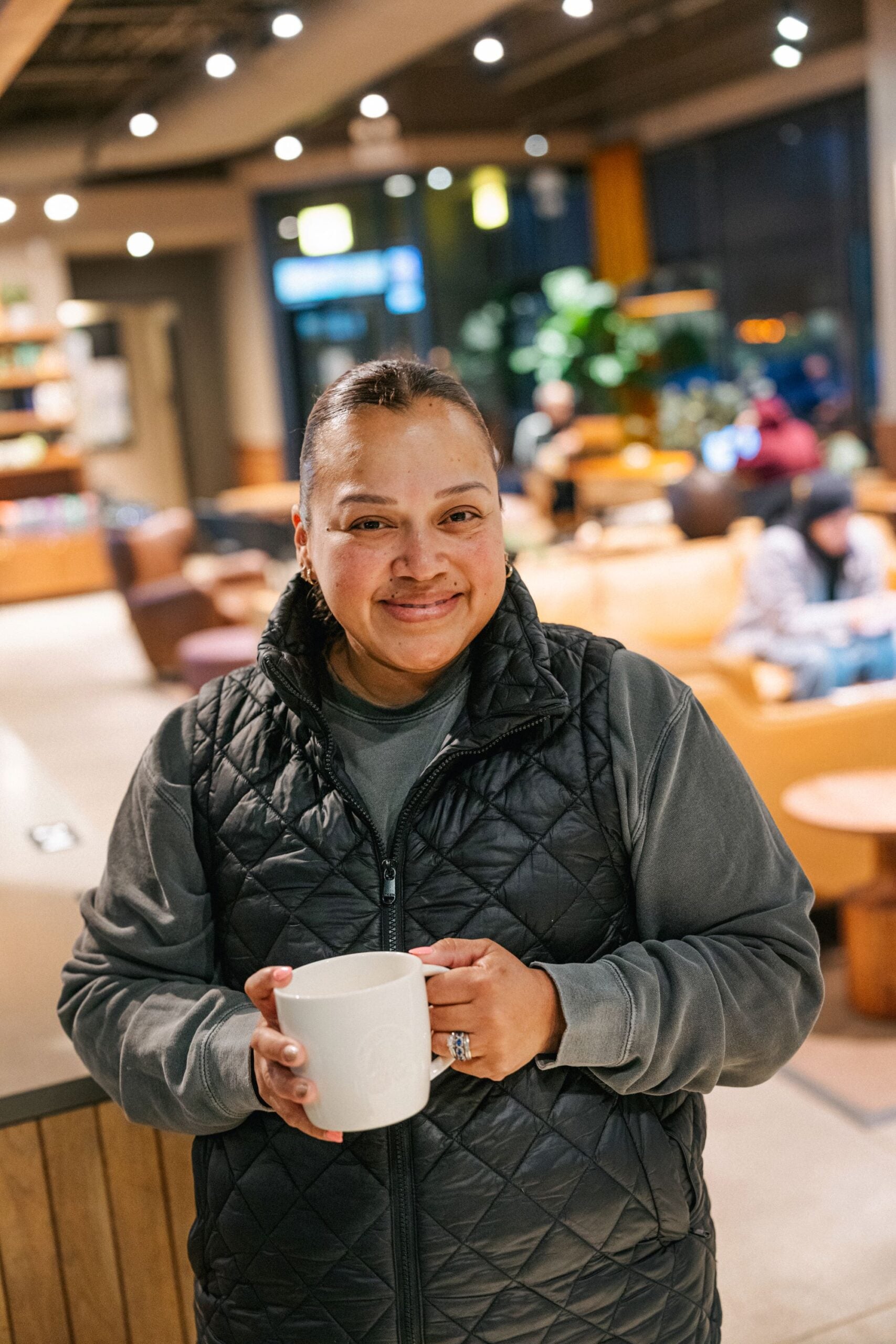
“My friend went and she was like, ‘Oh my God, you’ve got to go in there. It’s gorgeous. And she was right, it’s absolutely beautiful.”
Lulu Duran
Uplifted coffeehouses build community for customers and partners
Veronica said that since the uplift, she’s noticed customers sitting and staying longer, often right up until closing time — something that rarely happened before — representing all walks of life, from church groups to students and tutors to friends gathering.
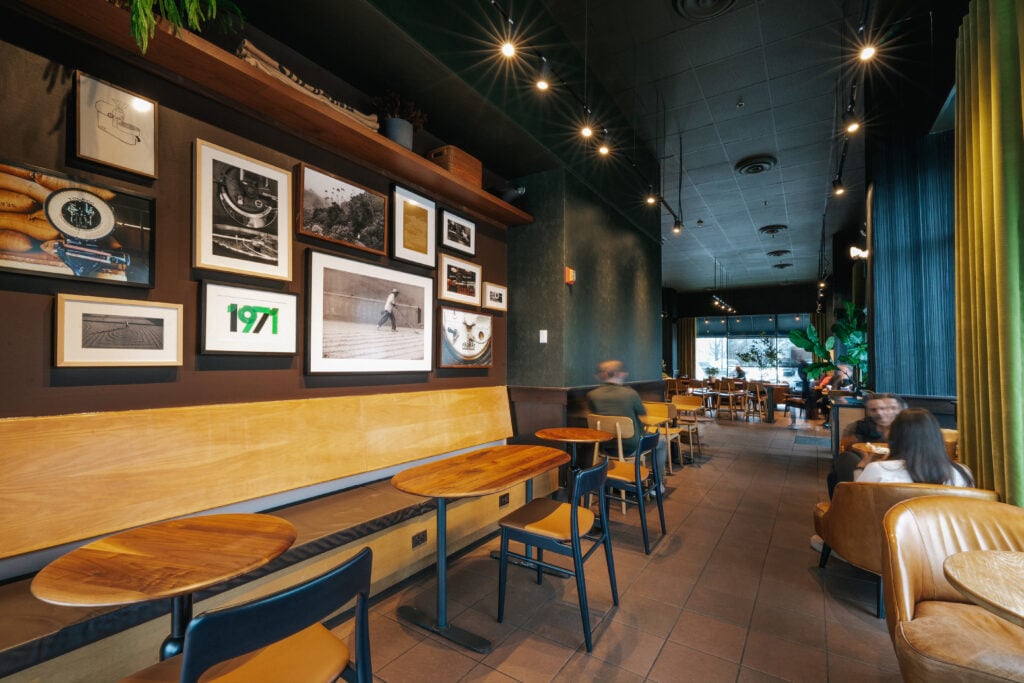
But it’s not just customers enjoying the redesigned space. Partners (employees) do, too, she said. When she has administrative work to do, she now prefers sitting in the café instead of the back room. She also loves sharing her passion for coffee with customers as a way to build community. She speaks both English and Spanish and said she shows customers from Mexico or Costa Rica the photos on the walls featuring coffee beans from those countries to help them see how coffee connects people.
One of her favorite features is the large wooden community table, where groups can now gather to meet.
“It’s more than the space being uplifted,” she said. “It adds to our community.”