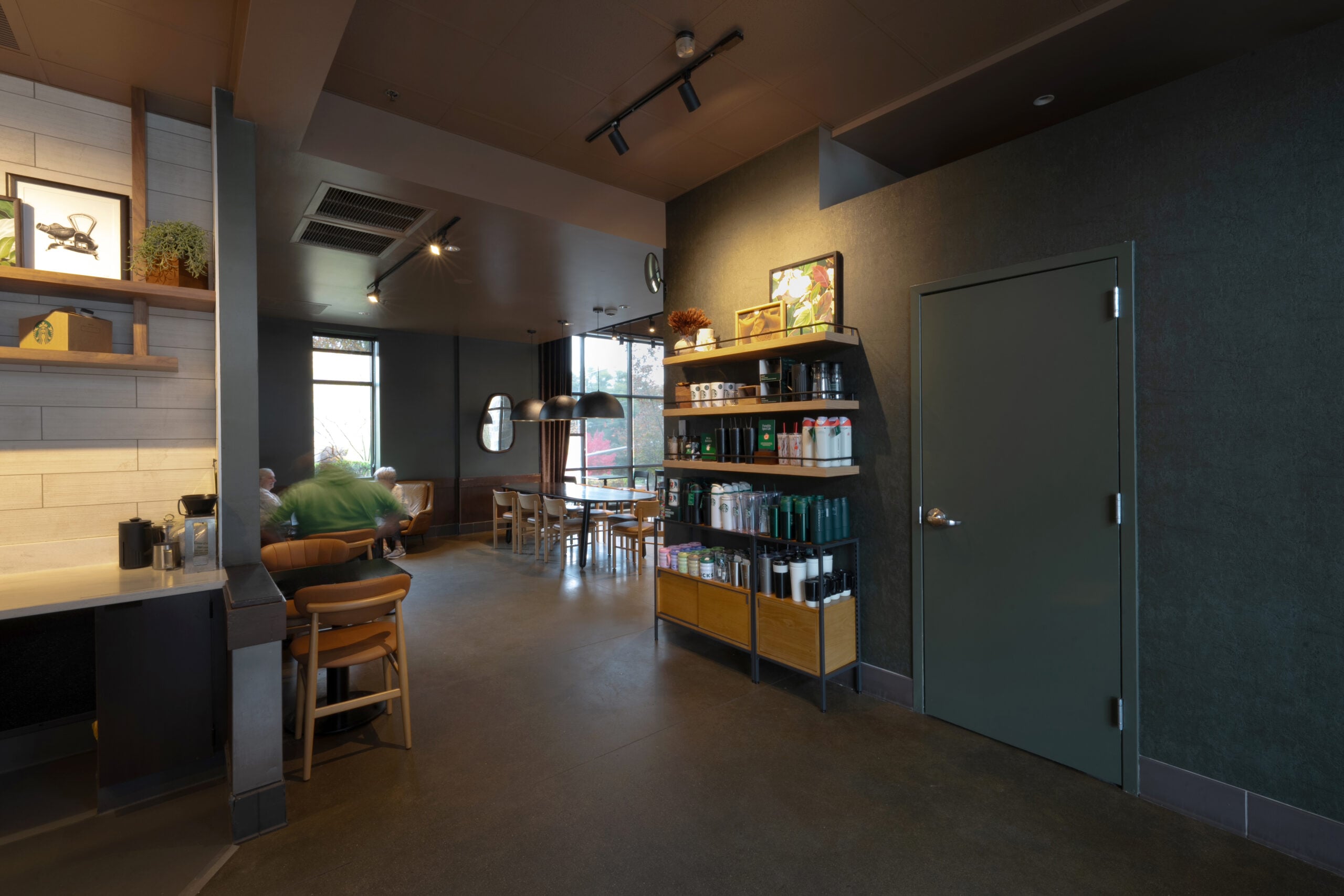
While you were sleeping: How Starbucks coffeehouses get a new look overnight
Remarkably, most uplift renovation work takes place during the night so coffeehouses can continue to serve customers while getting a new look and feel.
A comfortable seat. Artwork that reflects the neighborhood. Rich textures and greenery. A welcoming place to linger. Those details are at the heart of Starbucks coffeehouse uplifts, design updates happening in cafés across North America. Remarkably, most uplift renovation work takes place during the night so coffeehouses can continue to serve customers while getting a new look and feel.
“It’s amazing. They happen literally overnight, or over the course of a few nights,” said Dawn Clark, senior vice president, Global Design & Concepts. “The way customers and partners experience that is transformational. It feels like magic. It feels like a completely different space.”
That’s just how it felt for Saphire W., a coffeehouse leader whose space was recently transformed while she and her team were home sleeping.
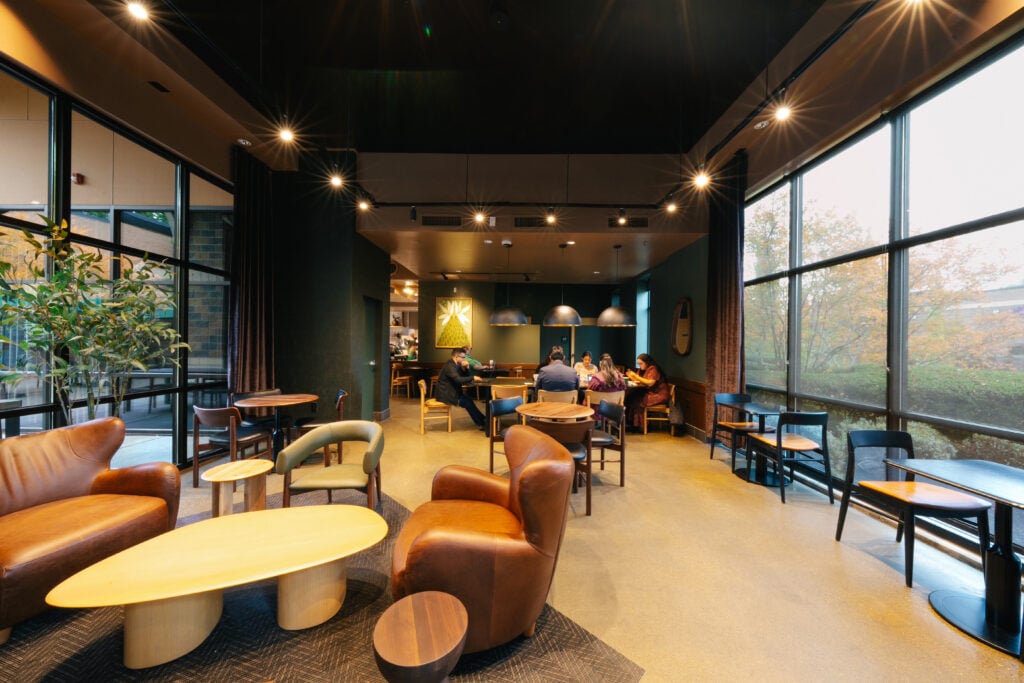
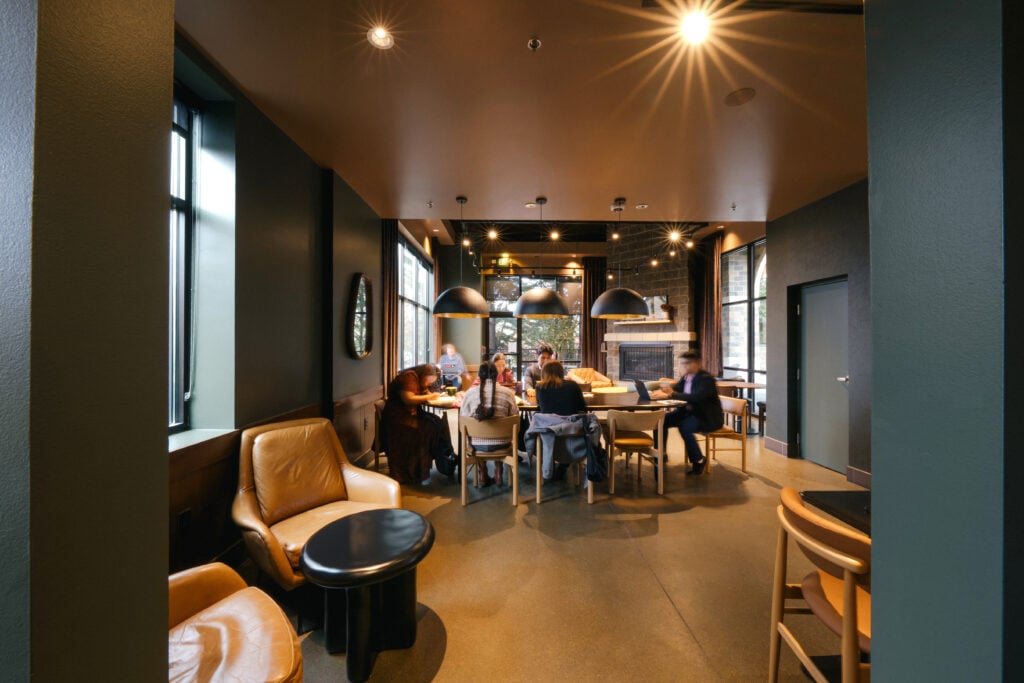
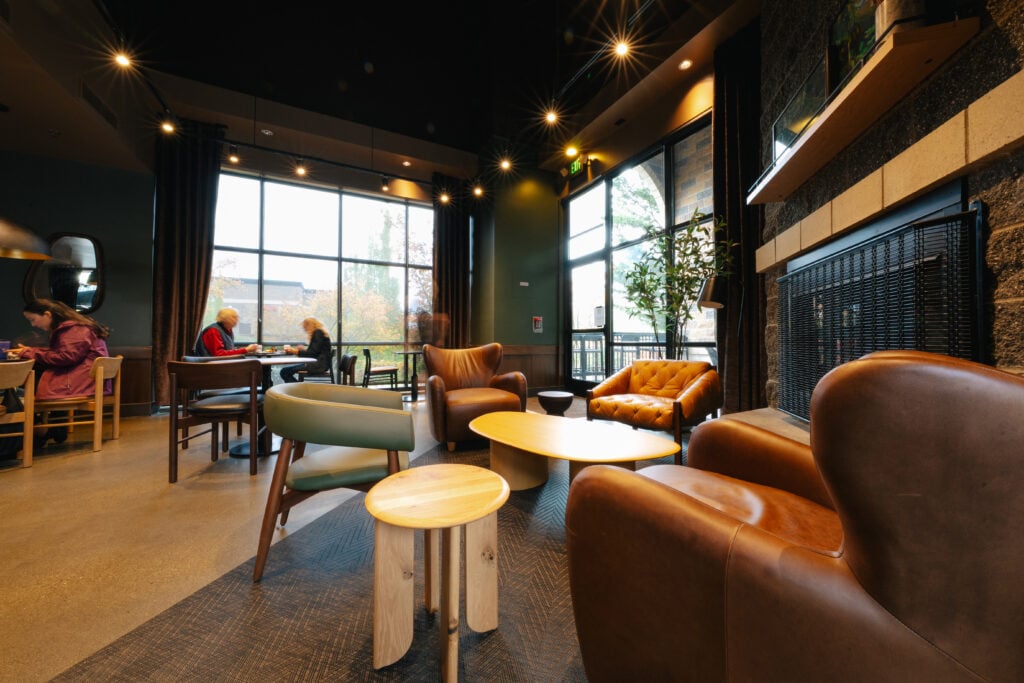
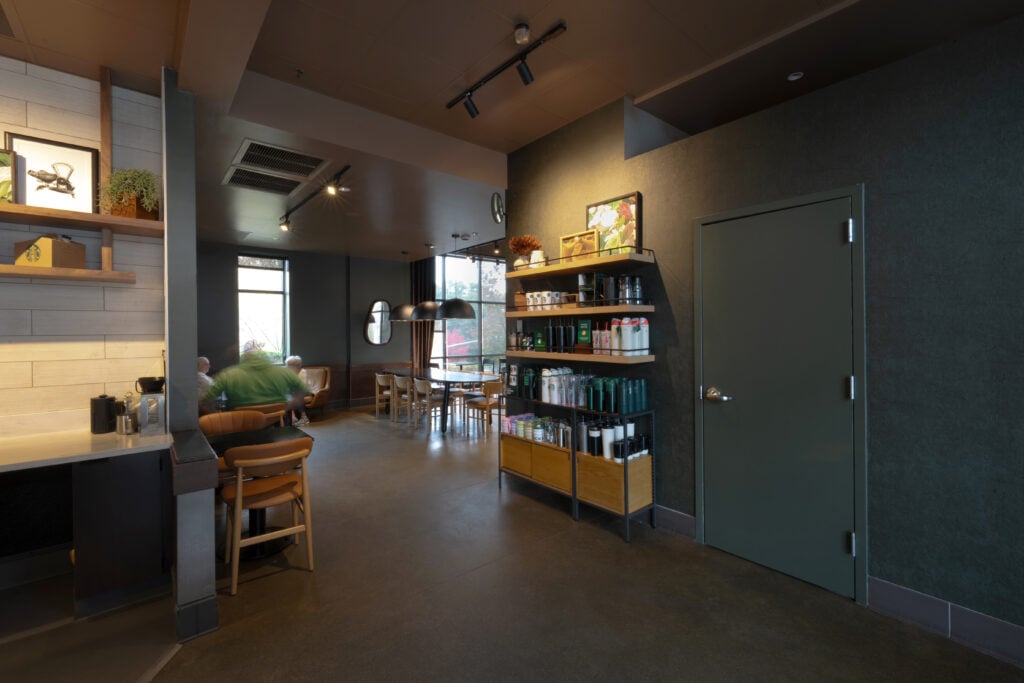
“They changed the color palette, painted the walls, put in new furniture, we have some really cool art … we’ve got drapes and a rug … they’ve just completely changed the feeling of the store. I love it. It’s so nice,” Saphire said. “I’ve actually taken some time to go around to each chair to see which one is the most comfortable.”
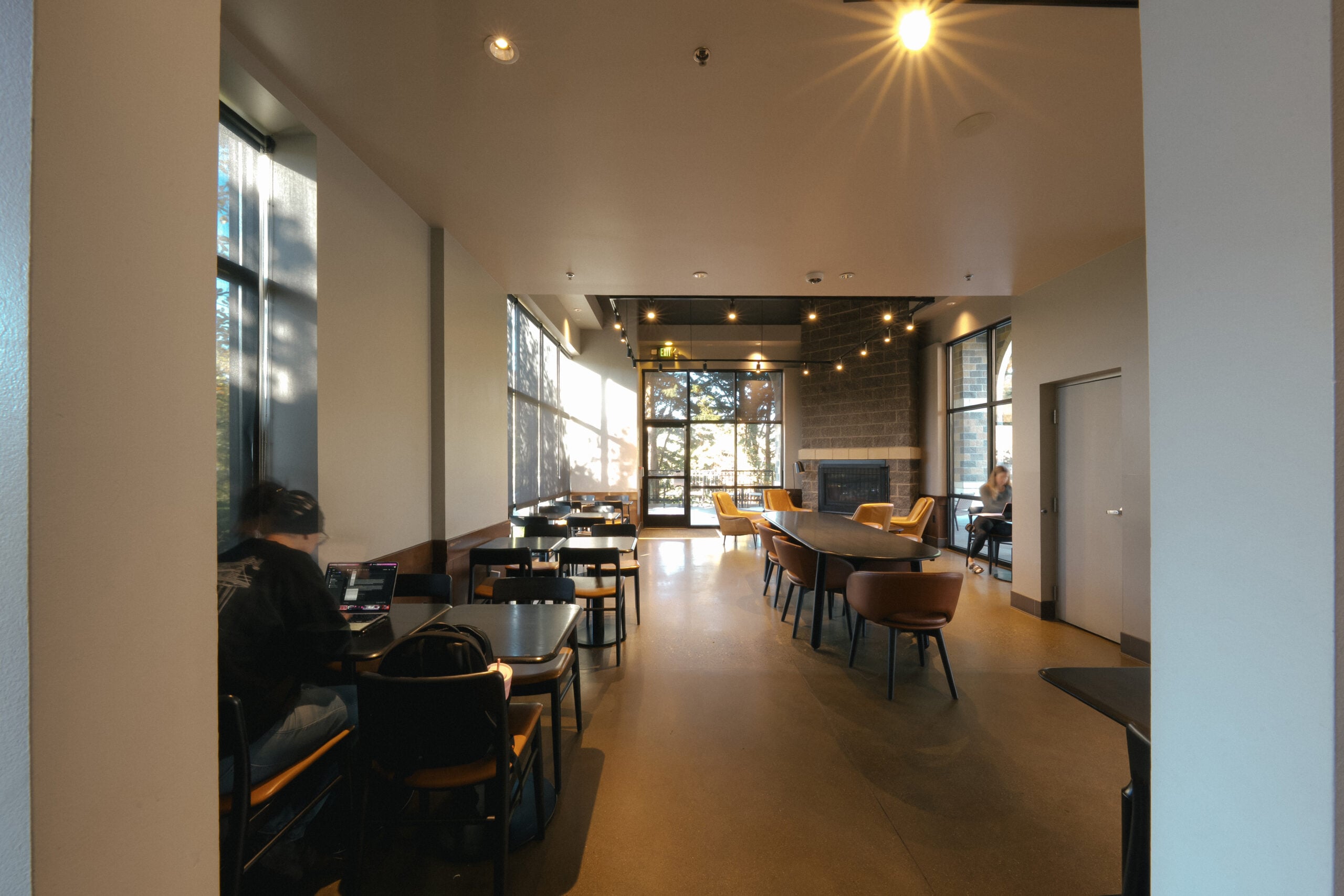
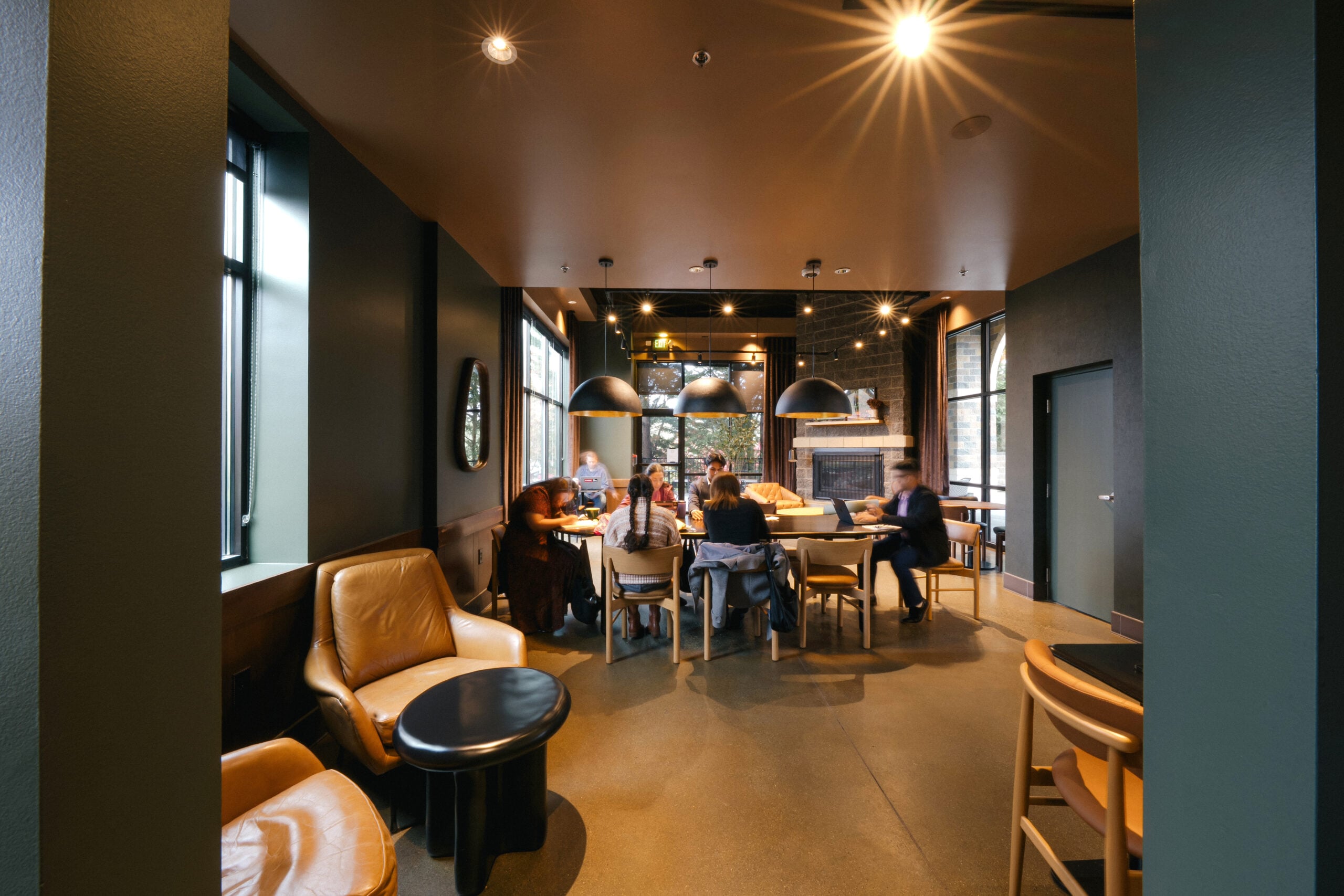
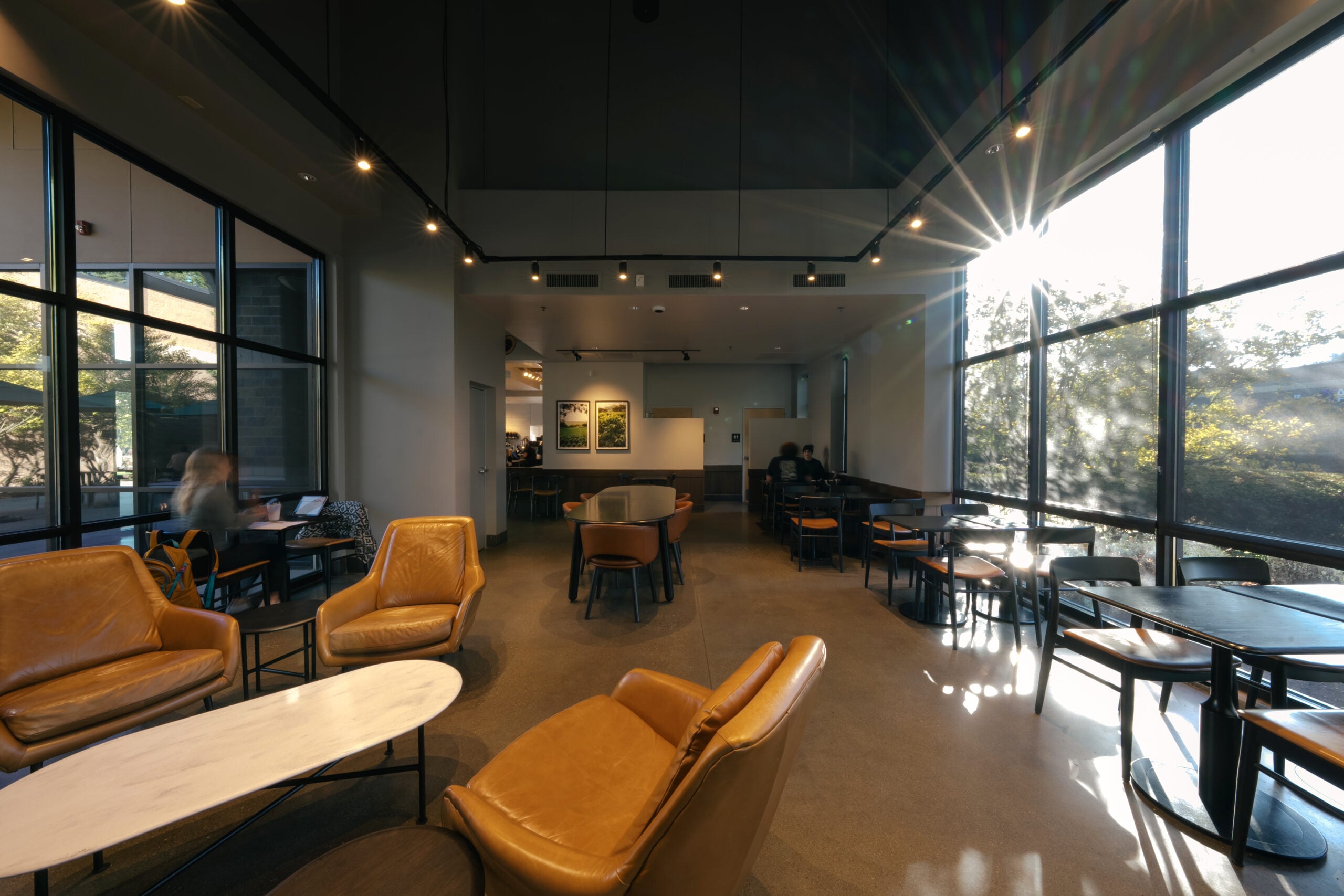
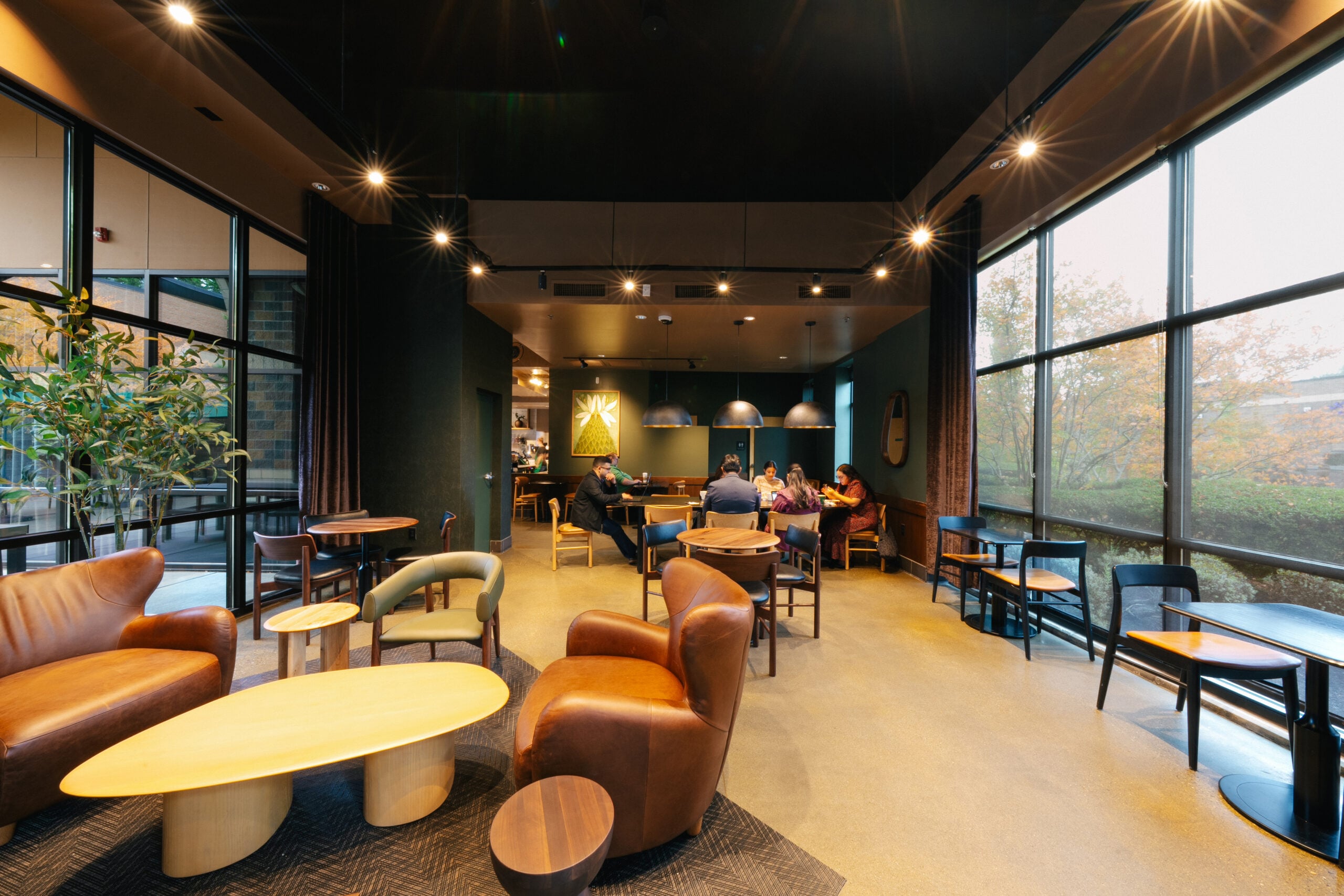
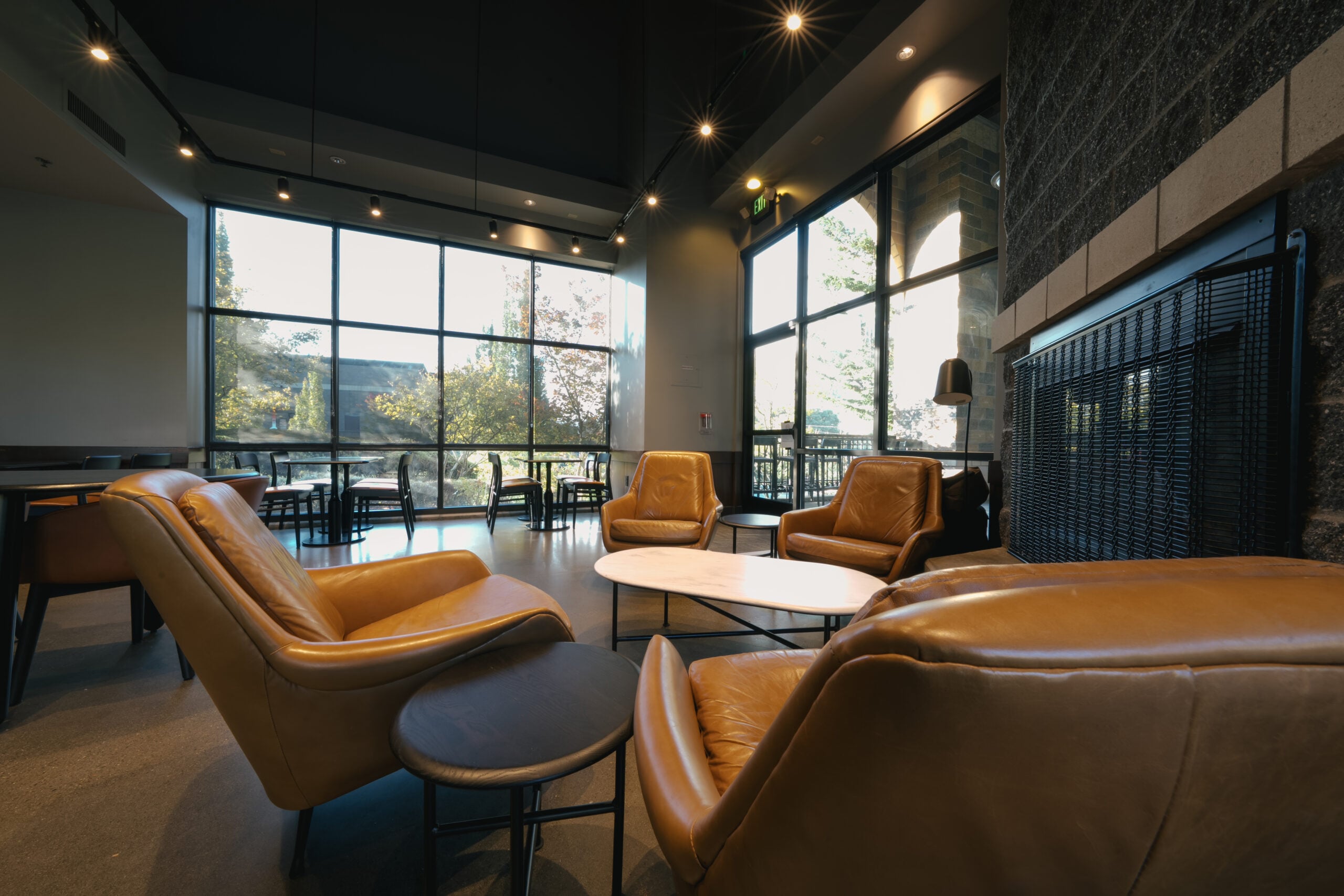
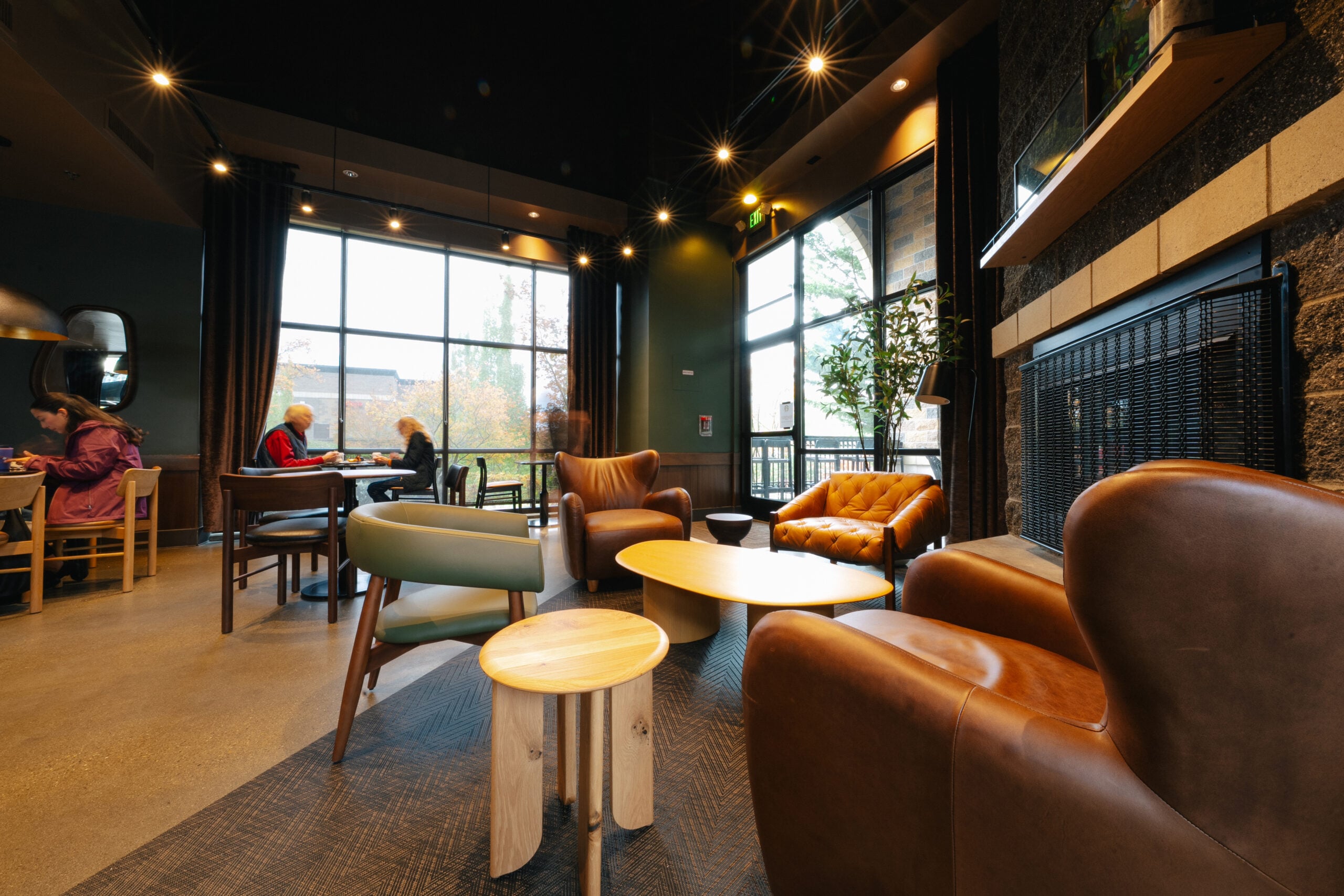
Saphire’s coffeehouse is just one example of a broad effort to bring a warmer Starbucks experience to more neighborhoods. Starbucks accelerated its plan to complete at least 1,500 coffeehouse uplifts by the end of fiscal 2026, with plans to pick up the pace even further in fiscal 2027 – bringing more places to settle in, connect and enjoy coffee to communities across North America.
Saphire was curious how designers would incorporate her coffeehouse’s unique features – tall ceilings, large windows, a fireplace. But as Clark points out, each uplift design is also unique, tailored specifically to the space and the community it serves, and all with the shared purpose of making Starbucks a place where people want to spend time, connect and feel at home.
“There’s a real craft to transforming an existing coffeehouse. We look at each one as the unique space it is, and we’re thoughtful about what we keep, what we change and how all of those details come together to make the space warmer, more comfortable and work better for customers and partners,” said Pamela Phelan, vice president of store development.